
As a mom, I’m always looking for simple, healthy foods that my toddler will actually eat—and berries for toddlers have been one of our favorite go-to options.When I first started offering berries to my toddler, I honestly thought, “They’re fruits. How complicated can they be?” These little fruits are naturally sweet, colorful, and packed with nutrients that support healthy growth, strong immunity, and smooth digestion during the busy toddler years. Whether you’re navigating picky eating or just trying to add more variety to your toddler’s meals, berries can make snack time and breakfast both easy and nutritious.
Turns out, there’s a little more to berries than I expected. Not in a scary way—just in a good-to-know, mom-to-mom way. If you’re a toddler mom wondering how, when, and how much berries to serve, this is everything I’ve learned along the way. In this post, I’m sharing why berries are so beneficial for toddlers and what every mom should know about serving them safely and confidently.
Are Berries Actually Safe for Toddlers?
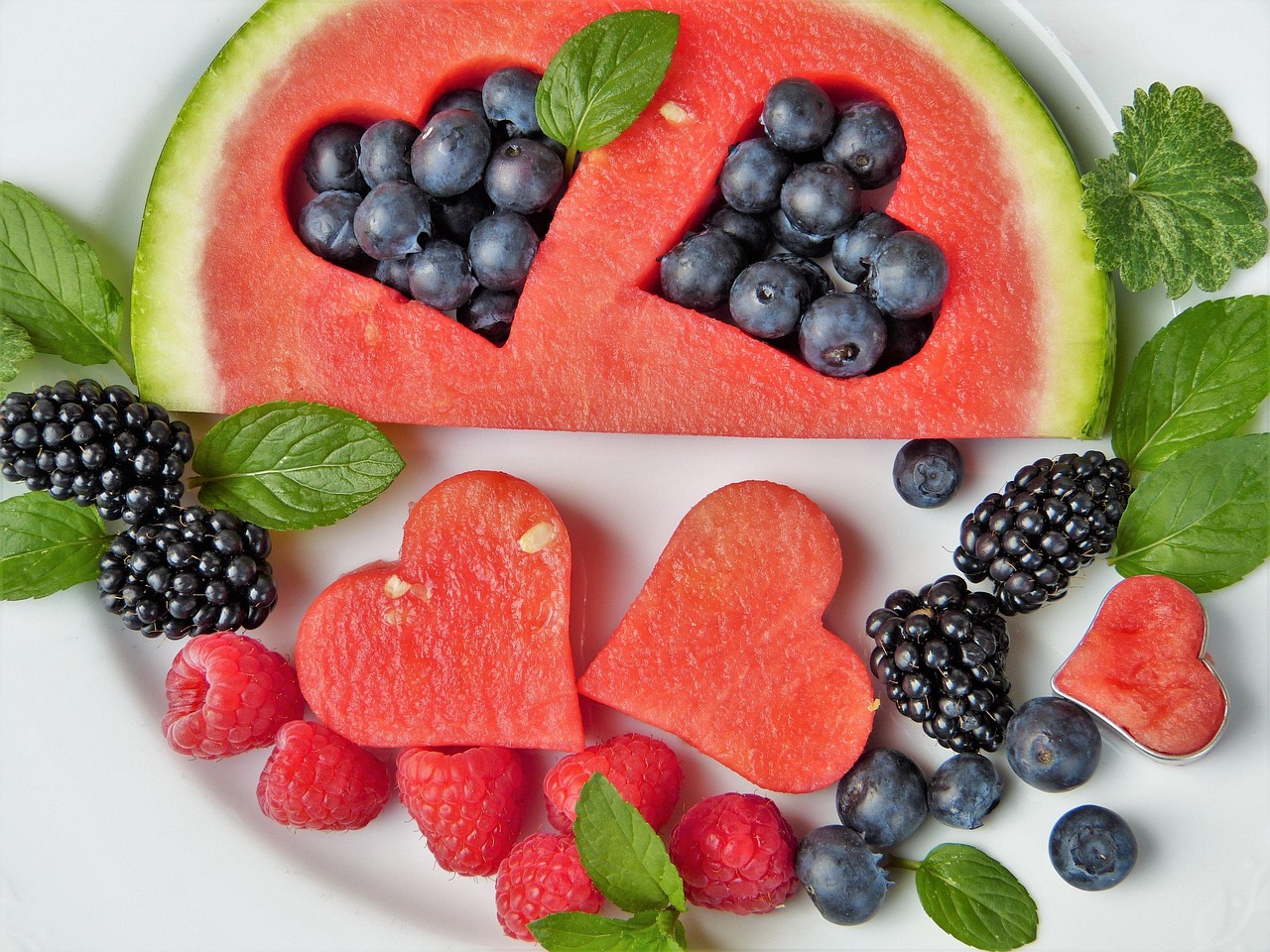
Yes, berries are safe for toddlers when served properly. In fact, berries are a nutritious and toddler-friendly fruit packed with vitamin C, fiber, and antioxidants that support healthy growth and digestion. Most toddlers ages 1–3 can safely enjoy strawberries, blueberries, raspberries, and blackberries as part of a balanced diet.
However, there are a few important safety tips moms should know:
1. Cut to Prevent Choking
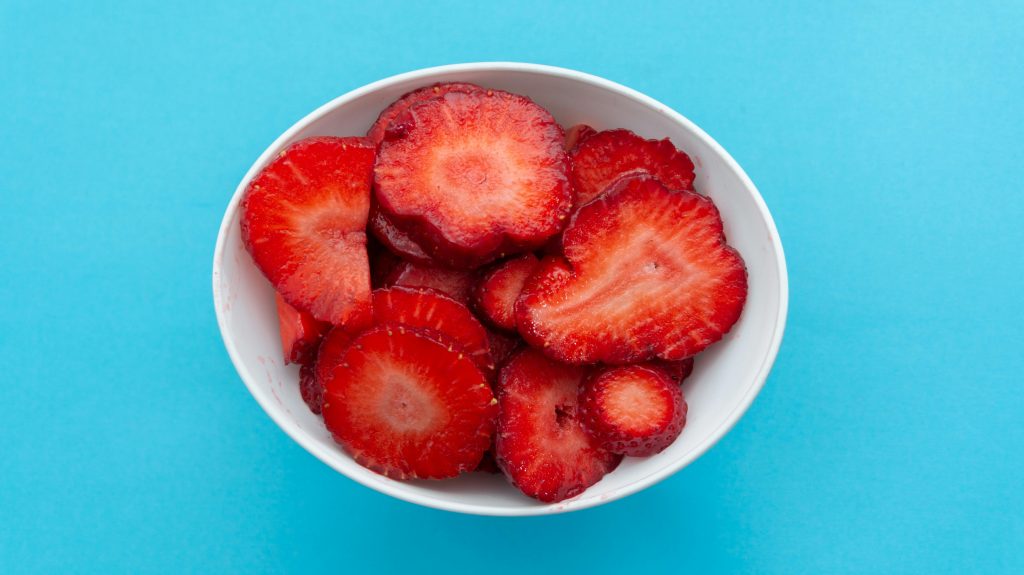
Whole berries—especially larger ones like strawberries—can pose a choking risk. Always slice strawberries into small, bite-sized pieces and mash or quarter large blueberries for younger toddlers. You can also boil them until soft, this makes the berries easier for your baby to eat and digest.
2. Wash Thoroughly
Most parents have one concern that most conventionally grown berries have relatively high levels of pesticide residue. This is a valid concern and you should buy organic berries, if they are available in your grocery stores. However, research has shown that rinsing them in clean water or boiling them help remove most pesticides residue. The most effective way is to soak the berries in a water mixed with a bit of baking soda for about 10 minutes, then rinse with cold water. This method removes most pesticide residue, dirt and bacteria making it safe for your toddlers to eat.
3. Watch for Allergies
While berry allergies are not very common, it’s best to introduce new berries one at a time and monitor for signs like rash, swelling, vomiting, or difficulty breathing—especially if there is a family history of food allergies.The good news is that true berry allergies are not very common in toddlers.
4. Choose Unsweetened Options
Fresh or frozen berries without added sugar are the healthiest choice. Avoid canned berries in syrup.
What Happens If Your Toddler Is Allergic to Berries?
A berry allergy in toddlers happens when the immune system mistakenly reacts to proteins in fruits like strawberries, blueberries, raspberries, or blackberries as if they are harmful. Although true berry allergies are not very common, it’s important for parents to recognize the signs early and know how to respond. Symptoms of a toddler allergic reaction to berries usually appear within minutes to two hours after eating the fruit.
Common Symptoms of a Berry Allergy in Toddlers
Mild to moderate symptoms may include:
- Redness or rash around the mouth
- Hives or itchy skin
- Swelling of the lips, face, or eyelids
- Vomiting, diarrhea, or stomach pain
- Sneezing or a runny nose
Sometimes, the redness around the mouth is simply irritation from the natural acidity of berries—not a true food allergy. However, if symptoms spread beyond mild skin irritation, it’s important to take it seriously.
Signs of a Severe Allergic Reaction
Seek emergency medical help immediately if your toddler experiences:
- Difficulty breathing or wheezing
- Swelling of the tongue or throat
- Persistent coughing
- Pale, floppy, or unusually drowsy behavior
- Collapse or loss of consciousness
What Parents Should Do
If you suspect your toddler is allergic to berries:
- Stop giving the berry immediately.
- Document the symptoms and timing.
- Contact your pediatrician for evaluation and possible allergy testing.
- Avoid the suspected berry until you receive medical guidance.
If diagnosed with a food allergy, your child’s doctor may recommend an allergy management plan, which could include carrying prescribed medication.
Are berries healthy for toddlers?
Yes, berries are very healthy for toddlers and are one of the most nutrient-dense fruits you can include in a toddler’s diet. Berries like strawberries, blueberries, raspberries, and blackberries are packed with vitamins, fiber, antioxidants, and essential plant compounds that support healthy growth and development during the early years. You can offer berries to babies as soon as they are ready to start solids according to UNICEF, this should be around 6 months. Most offering healthy foods to babies, creates a foundation for healthy eating habits as they grow older. Serving toddlers a variety of foods including berries, when they are young, helps them get used to many flavors and textures reducing chances of picky eating when they are older.
Berries are rich in vitamin C, which helps strengthen your toddler’s immune system and supports iron absorption—especially important if your child eats plant-based iron sources like beans or fortified cereals. Berries can be included as part of a balanced toddler plate, providing important nutrients that help strengthen and support your child’s immune system. Even in small amounts, berries are packed with goodness which support immunity, digestion, and brain development. They add natural sweetness to meals making them toddler-approved nutritious breakfast options. Berries are also great source of fiber, which helps in digestion, and antioxidants, which can helps in protecting the body from various diseases.
The best berries to start with and their health benefits:
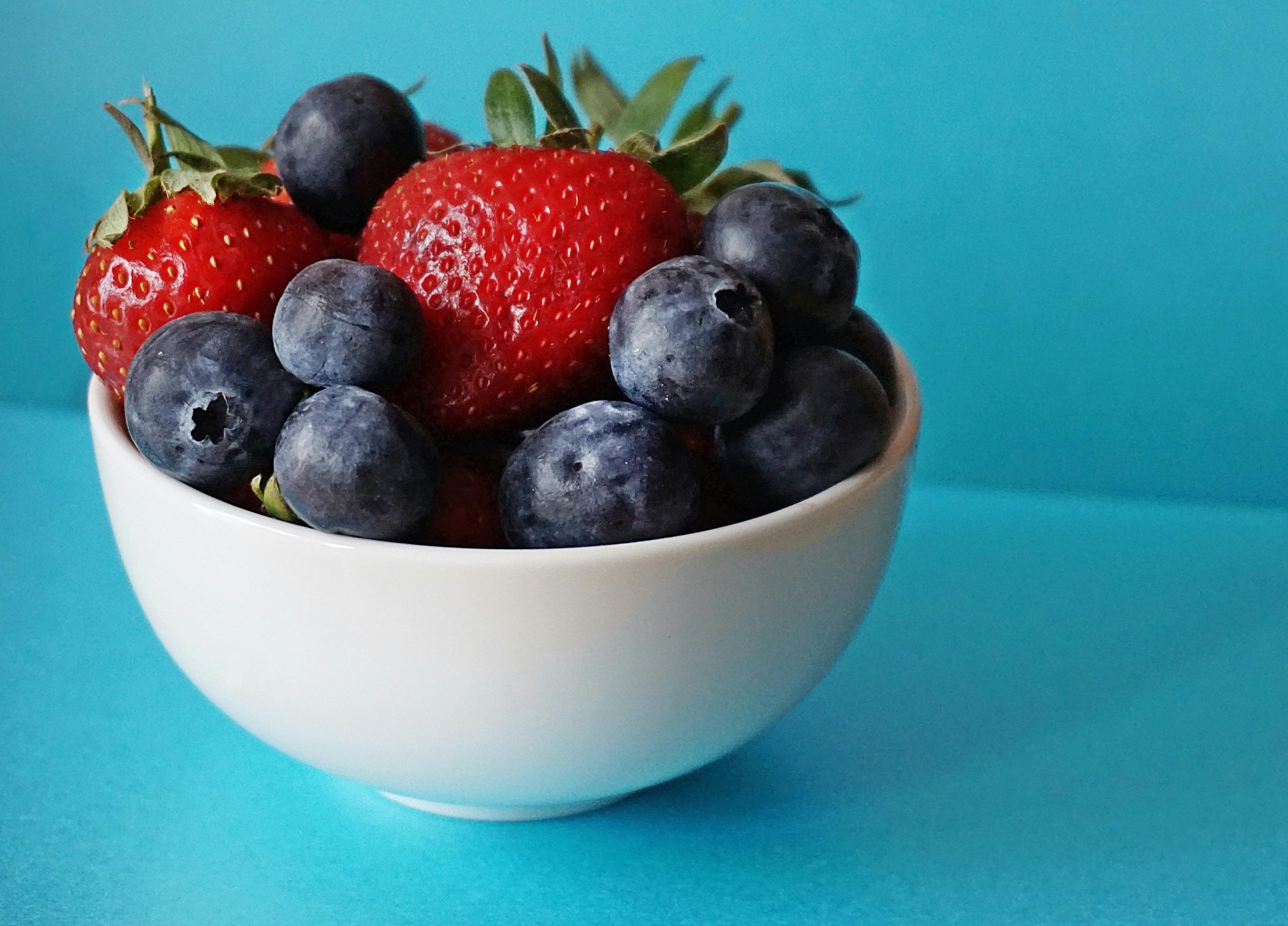
- Blackberries: vitamin C and vitamin K, as well as fiber that helps in improving gut health and support immune function that prevent infections in the body.
- Blueberries: vitamins K and C, manganese as well as and potassium
- Strawberries: High levels of folate,vitamins A, C, and E
- Raspberries: Great combination of omega-3 fatty acids and vitamins B-complex and C, as well as potassium and manganese.
Therefore, you can add some berries in to your meals to add more nutrition in your kids diet.
How I Serve Berries to My Toddler
Serving berries to toddlers can be simple, safe, and mess-friendly with a few small adjustments. Here’s how I prepare and serve berries as part of a balanced toddler meal:
1. Washed and Cut Safely
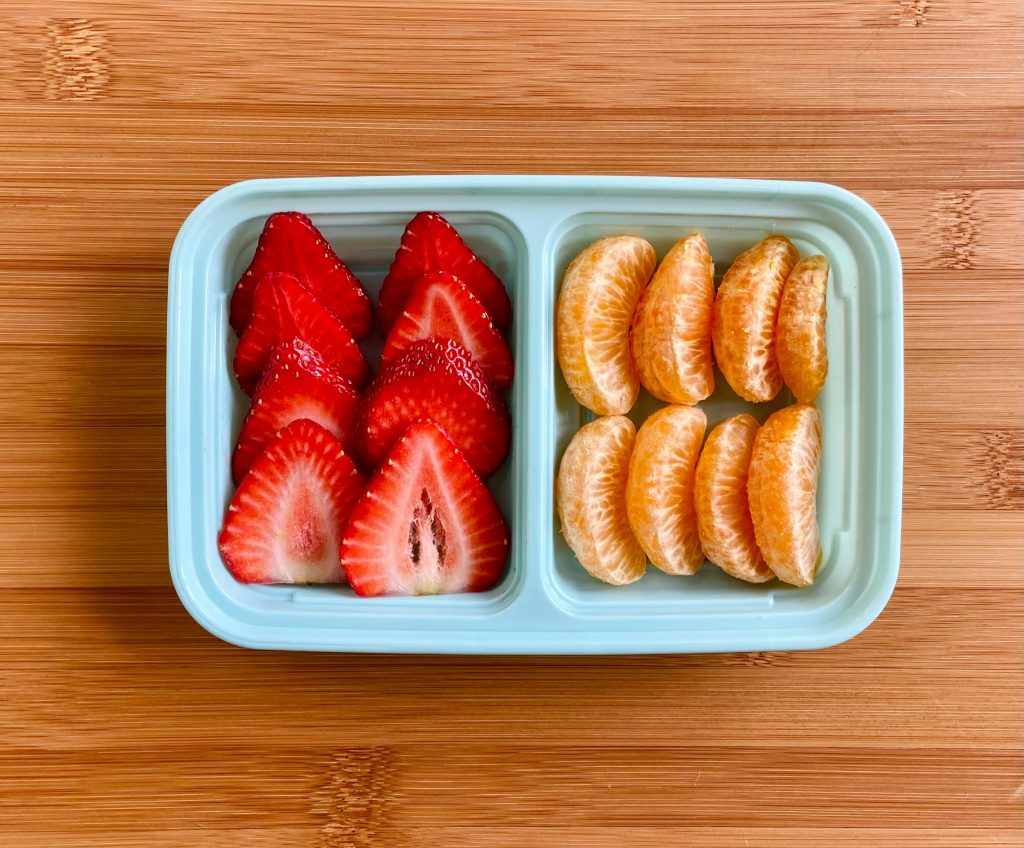
I always wash berries thoroughly by soaking them in water with baking soda for 10 minutes then i rinse well and cut them.
- Strawberries: sliced into small, bite-sized pieces.
- Blueberries: halved or gently mashed for younger toddlers.
- Raspberries & blackberries: usually soft enough, but I check for size and mash if needed.
This helps reduce choking risk while still encouraging self-feeding.
2. Paired with Protein or Healthy Fats
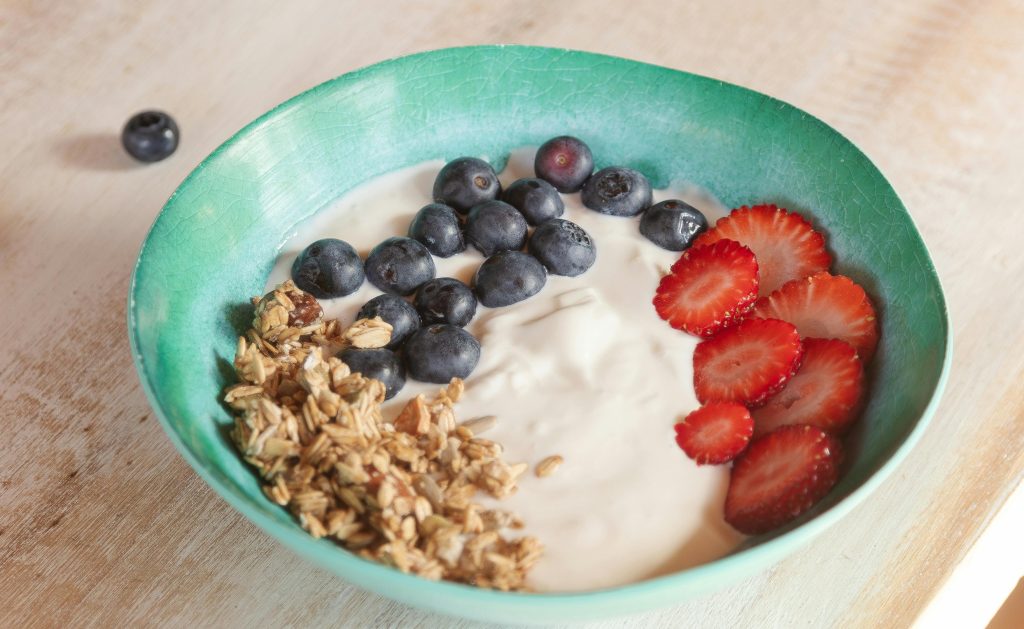
To keep my toddler full longer, I don’t usually serve berries alone. I pair them with:
- Plain yogurt
- Oatmeal or porridge
- Nut butter on toast
- Cottage cheese
This creates a more balanced toddler plate and supports steady energy levels.
3. Mixed Into Breakfast

Berries are an easy breakfast boost.They add natural sweetness without needing added sugar. I stir them into:
- Smoothies
- Pancake and muffin batter
- Blend them and make pop ice.
Mistakes I Made (So You Don’t Have To)
I definitely made a few mistakes when introducing berries early on:
- Serving too many berries at once
- Offering them whole before my toddler was ready
- Introducing multiple new berries in one day
- Forgetting how acidic berries can be on sensitive skin
Between 8 to 12 months old, a baby can have about 1/2 cup of fruit in a day. At one year, you can give them 1/2 cup to a full cup of fruits daily. Now, I serve small portions and wipe my toddler’s mouth after eating berries to avoid rashes.
A Gentle Reminder to Fellow Toddler Moms
Serving berries to toddlers doesn’t have to be complicated. With proper washing, safe cutting, and thoughtful pairing with protein or healthy fats, berries can be a simple and nourishing addition to your toddler’s daily meals. They offer natural sweetness, important vitamins, fiber for healthy digestion, and antioxidants that support growing bodies and strong immunity.
As moms, we don’t need perfection—just consistency. Offering berries regularly, in small portions and in a calm mealtime environment, helps toddlers build healthy eating habits over time. Some days they’ll love them, other days they may refuse—and that’s completely normal. Keep offering without pressure, and trust that these small, colorful fruits are a beautiful step toward raising a healthy, confident eater.