When a toddler is teething, mealtimes often change in ways that can leave parents feeling concerned. Portions may suddenly become smaller, favorite foods get pushed away, and even good eaters can turn fussy overnight. Tender gums, swelling, and general discomfort make chewing uncomfortable, which is why choosing the right foods becomes so important. During this stage, offering foods that are easy for toddlers to eat when teething can help reduce stress at the table. Soft textures, soothing temperatures, and simple ingredients make eating more manageable while still providing the nutrients toddlers need for healthy growth and development.
At Toddler’s Parent Kitchen, I usually focus on balanced, nourishing meals. But teething days look different — and that’s completely normal. Instead of aiming for perfect plates, the goal shifts to serving foods that are gentle on sore gums, easy to swallow, and still supportive of your toddler’s overall nutrition.
Why Toddlers Eat Less During Teething
Teething happens in different stages: the first stages happens around 6-12 months and second stage between 13 -22 months. Its different for every child but common signs when the baby is teething are:
- Refusing favorite foods due to discomfort and sometimes pain that comes with red gums
- They will be irritable and there will be decrease in appetite
- Biting the spoon instead of eating , biting on toys and even fingers.
- Increased drooling and ear pulling also may be indicating teething
- Wanting softer or colder foods
Many pediatricians and child health professionals explain that it’s very normal for babies and toddlers to eat less while they are teething. As teeth begin to break through the gums, the area can become inflamed, sensitive, and painful. This gum discomfort can make chewing, sucking, and even swallowing uncomfortable, leading to a temporary drop in appetite. Teething may also cause increased fussiness and irritability, which can make mealtimes more challenging and less appealing for your child.
Health experts reassure parents that this decrease in appetite is usually temporary and mild. Most toddlers tend to eat less only during the few days when a tooth is actively emerging. Once the tooth has broken through and the soreness settles, their normal appetite typically returns. In the meantime, pediatricians recommend continuing to offer balanced meals and plenty of fluids, focusing on soft, cool, and easy-to-eat foods, while gently soothing tender gums to keep your toddler as comfortable as possible.
For more detailed guidance from a reputable child health resource, you can read about symptoms of teething and changes in appetite here: Teething (Teething Syndrome) – Cleveland Clinic
Best foods for teething toddler
Finding the best food for a teething toddler can be stressful when your child refuses meals or struggles to chew. Teething often causes gum pain and sensitivity, making hard or textured foods uncomfortable. In this guide, you’ll discover safe and gentle food options ideal for teething toddlers.
1. Mashed Fruits
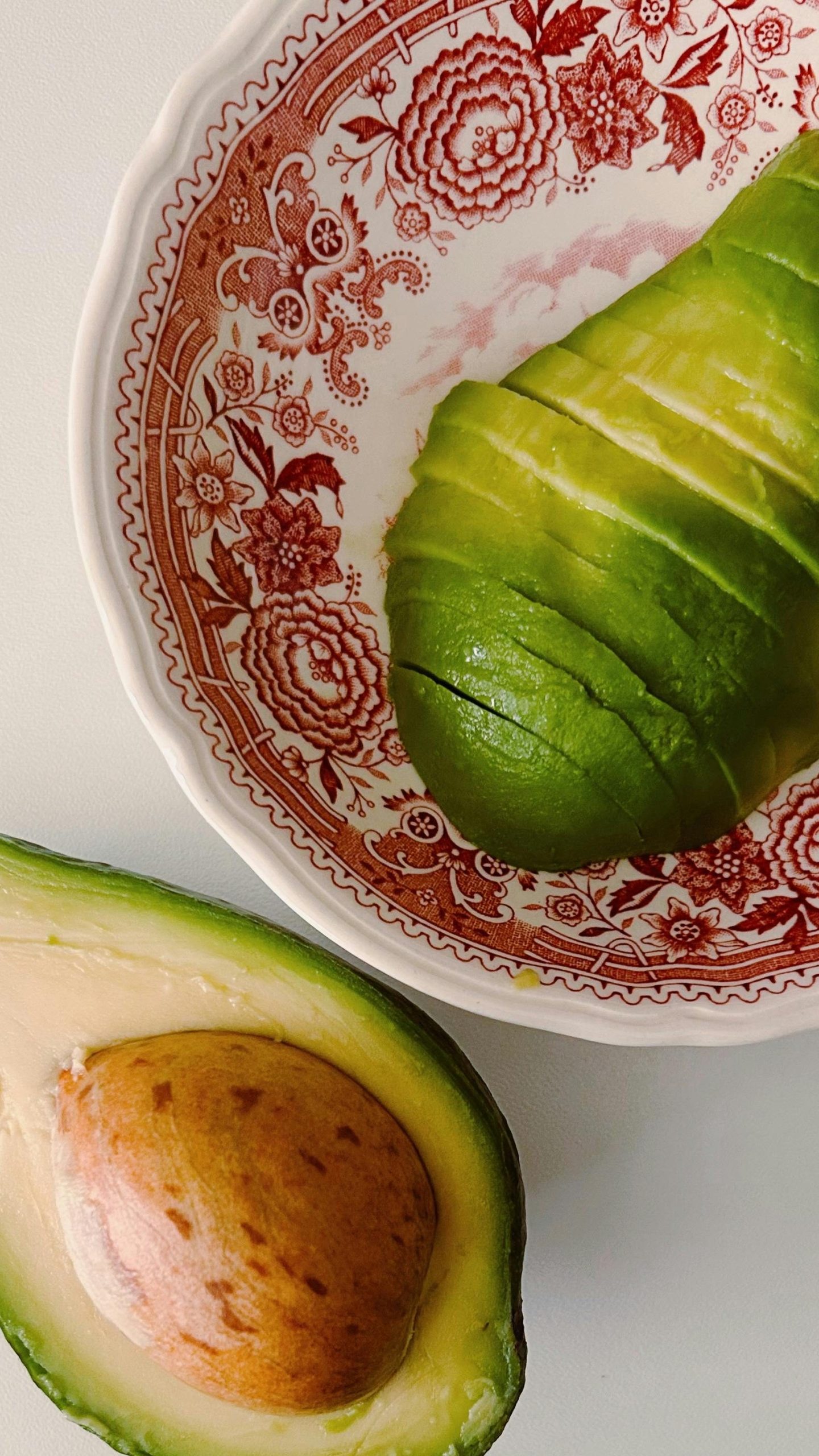
Fruits will provide vitamins, fiber, and healthy fats without requiring much chewing.Soft fruits work well during teething because, they are naturally sweet hence they encourage toddlers to eat when appetite is low. They are also easy to eat and chew which is perfect for sore gums. Fruits are also easy to digest and they keep toddlers well hydrated especially when the toddler is not drinking much.
Some of the fruits to consider during teething can include:
- Ripe bananas
- Mashed avocado
- Steamed and mashed apples or pears
- papaya
- Ripe mango
Some fruits may irritate gums and its good to avoid them during teething:
- Raw apples
- Pineapple (can sting sore gums)
- Citrus fruits (orange, lemon) if gums are inflamed
- Hard or unripe fruits
2. Mashed Vegetables and Vegetable soups
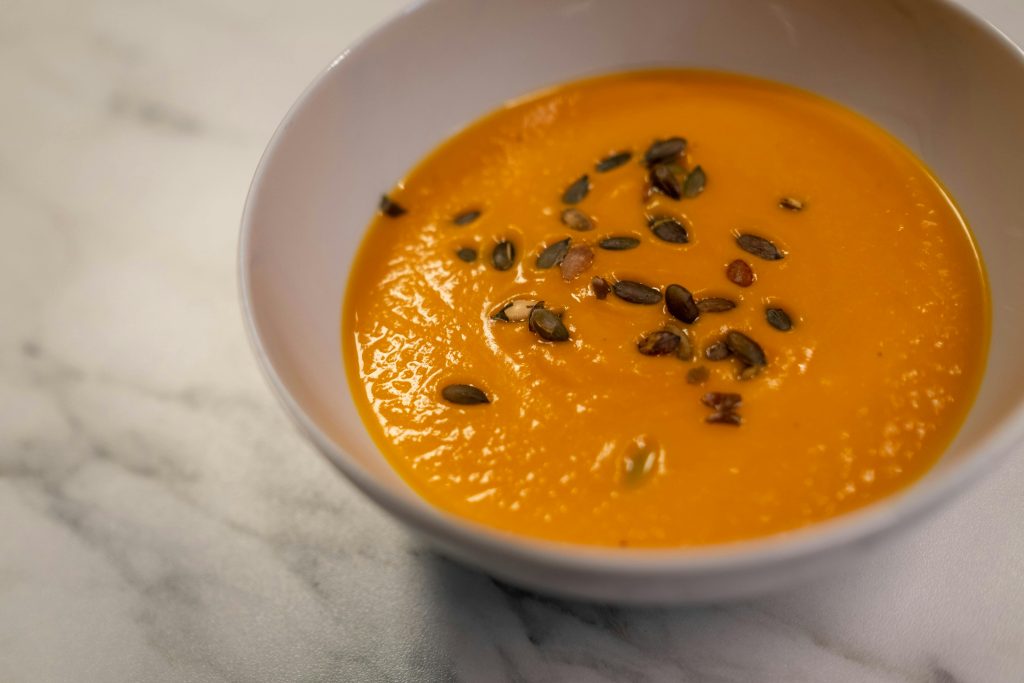
Mashed vegetables and smooth vegetable soups are some of the best foods for teething toddlers. They are soft, warm, easy to swallow, and comforting on sore gums. When chewing is painful, these foods help ensure your toddler still gets essential vitamins and minerals without discomfort.
Good choices include:
- Sweet potatoes which are naturally soft when cooked either by boiling or steaming and easy to mash.
- Carrots and peas which can become gentle on the gums and easy to eat when boiled or steamed until tender and mash well and serve.
- Pumpkin is also soothing and easy to digest. Cook until soft and mash or puree.
- Butternut squash is smooth, slightly sweet, and very toddler-friendly during teething. Boil, roast or steam, then mash until lump-free.
Vegetable soups are ideal when your toddler refuses solid foods. They are made by cooking vegetables until very soft and then blending or mashing them into a smooth texture. They are warm, hydrating, and easy on sensitive gums and are ideal as healthy breakfast, lunch or dinner. Some of the toddler- friendly soups may include:
- Pumpkin soup recipe
- Carrot and potato soup
- Sweet potato and zucchini soup
- Butternut soup
3. Oatmeal or Porridge
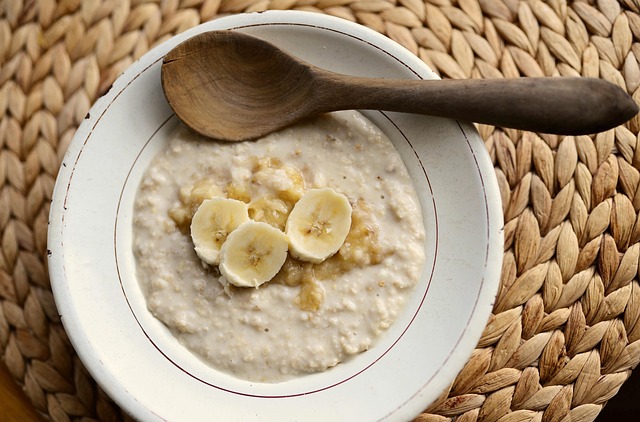
Porridge are among the best comfort foods for teething toddlers. They’re soft on sore gums, warm and soothing, and easy to swallow when chewing feels uncomfortable. During teething, many toddlers prefer foods that require minimal chewing, and porridge provides nourishment without adding pressure to tender, swollen gums. Porridge provides steady energy and important nutrients, even when your toddler is eating smaller portions.
Another reason porridge works so well during this stage is how easy it is to customize. They are easy to prepare and cooks in about 10-15 minutes. You can adjust the texture by thinning it with breast milk, formula, or regular milk, and you can boost the nutrition by stirring in mashed fruits, nut butters (if safely introduced), or a little yogurt for added creaminess. Serving it slightly warm — not hot — can also make it more comforting.
Some toddler-approved types of porridge include: oat meal, maize porridge, millet and rice porridge. If you’d like a full breakdown of preparation methods, texture tips, and nutritional benefits, you can read my detailed guide on simple porridge ideas for toddlers. It will help you choose the best option depending on your toddler’s age, stage, and feeding preferences.
4. Smoothies and yogurt
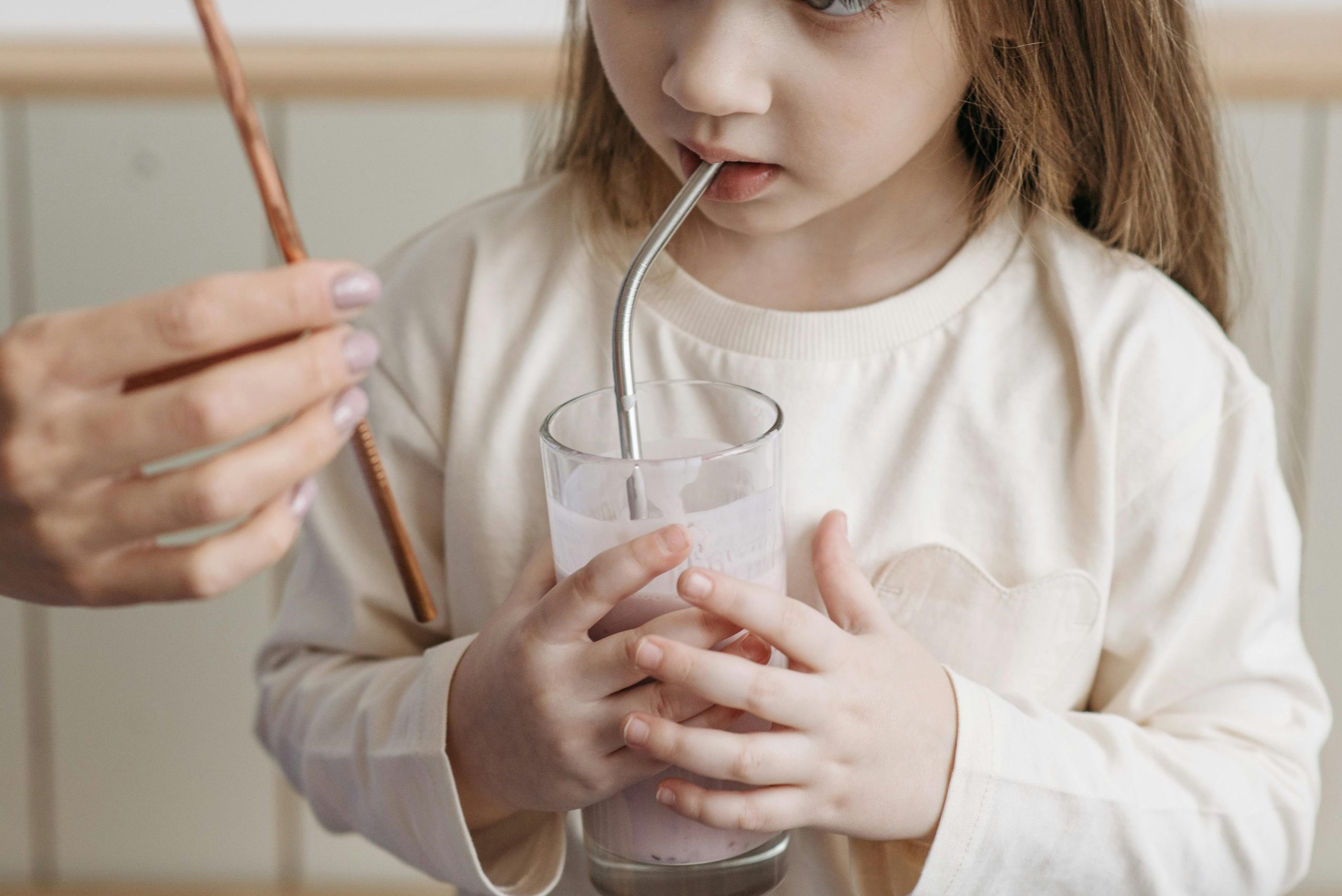
Smoothies for teething toddlers are a simple and nourishing way to keep little ones hydrated and well-fed during this uncomfortable stage. When gums are swollen and sore, many toddlers refuse solid foods that require chewing. Smoothies offer a soft, easy-to-swallow alternative that delivers essential nutrients without irritating tender gums. Because they are naturally cool and smooth, they can also provide gentle relief while supporting your toddler’s daily nutrition needs.
One of the biggest benefits of smoothies during teething is how easy they are to customize. You can blend fruits like banana, mango, or avocado for natural sweetness and creaminess, then add yogurt for protein and probiotics. For extra nutrition, consider including spinach, oats, chia seeds (if age-appropriate), or nut butters that have already been safely introduced. This makes smoothies a practical way to boost calories, healthy fats, iron, and fiber when your toddler is eating smaller portions.
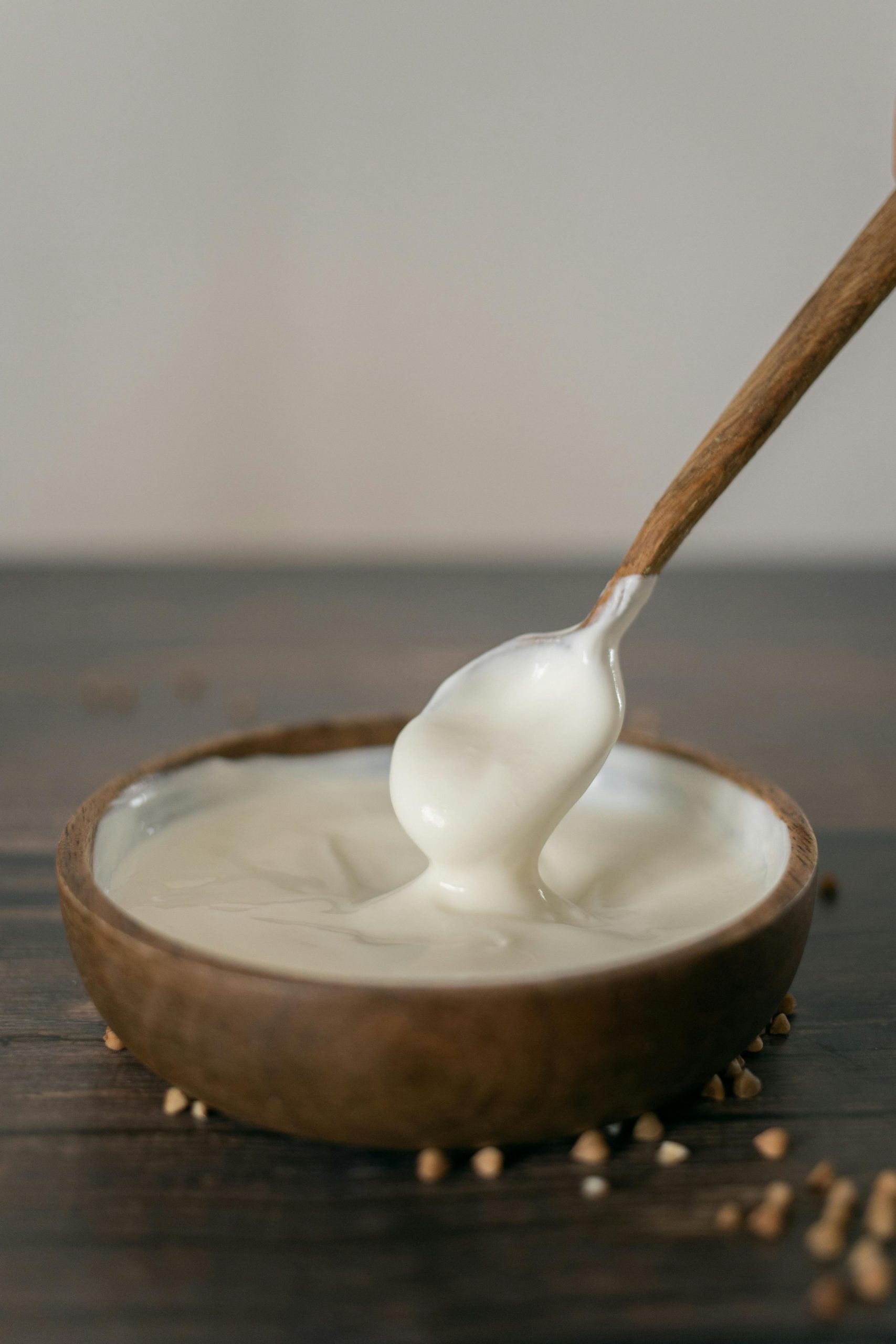
You can also serve unsweetened plain or greek yogurt. Serving ideas:
Yogurt + avocado
Yogurt + mashed banana
Yogurt + applesauce
other soft foods may include:
- boiled or scrabbled eggs
- boiled rice
- boiled pasta
Foods to Avoid During Teething
When toddlers are teething, their gums are sore and sensitive. Certain foods can increase discomfort, irritate gums, or raise the risk of choking. Knowing which foods to avoid can help make mealtimes safer and less stressful during this stage.When your toddler is teething, try to avoid:
- Hard crackers and biscuits
- Crunchy raw vegetables or fruits
- Sticky or chewy foods
- Very hot foods
Helpful Tips for Feeding a Teething Toddler
Here is a few tips when feeding a teething toddler:
- Offer smaller, more frequent meals
- Let foods cool slightly before serving
- Encourage water to keep the mouth hydrated
- Be patient—appetite changes during teething are normal
Final Thoughts on Feeding Toddlers During Teething
Feeding toddlers during teething can feel challenging, especially when their appetite suddenly drops. However, it’s important to remember that a temporary decrease in food intake is completely normal during this stage. By focusing on soft, soothing, and nutrient-dense options like porridge, smoothies, yogurt, mashed vegetables, and warm soups, you can continue supporting your toddler’s growth and development even when portions are smaller.
The key to feeding toddlers during teething is flexibility and patience. Offer small, frequent meals, prioritize hydration, and choose foods that are gentle on sore gums. Most importantly, trust that this phase is temporary. Once the tooth breaks through and discomfort eases, your toddler’s appetite typically returns to normal.
With the right approach and comforting food choices, you can make feeding toddlers during teething less stressful and more manageable — for both you and your little one.