
The cold season and flu are often linked — not because chilly weather creates viruses, but because seasonal changes make it easier for them to spread. When you have a toddler, the cold months can feel never-ending. One week it’s a runny nose, the next it’s a lingering cough. Some research even suggests that immune response may slightly decrease in colder conditions. If you’re worried about your child getting sick often, you’re not alone. The good news is that while no food can completely prevent illness, consistently offering immune boosting foods for toddlers can help support their developing defense system. Supporting your toddler’s immune health truly begins with what’s on their plate each day.
Food Groups That Include Immune Boosting Foods for Toddlers
For both children and adults, immunity depends on key nutrients like vitamin C, vitamin A, zinc, protein, healthy fats, and fiber — all of which come from a balanced diet. If you have a picky eater at home and you’re trying to offer immunity-boosting meals, don’t worry.The good news is that supporting your child’s immune system doesn’t require perfect meals or complicated recipes. Small, consistent steps — like adding fruit to breakfast, blending vegetables into soups, offering yogurt for gut health, or pairing new foods with familiar favorites — can make a big difference over time.
Here are the most important food groups for strong immunity:
1.Vegetables & Fruits (Half the plate over the day)
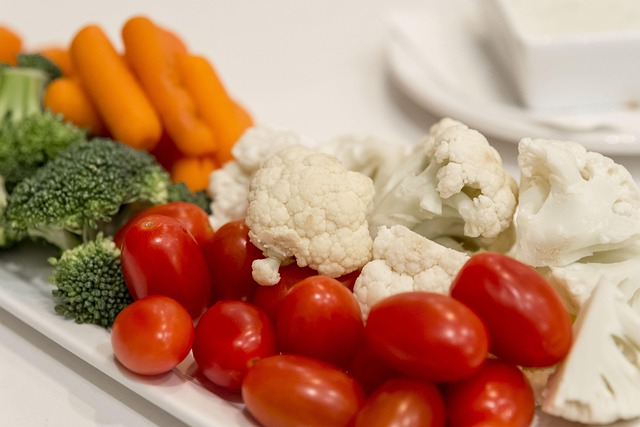
Vegetables play a powerful role in supporting toddler immunity. They provide essential nutrients that help the body build strong defenses against infections, especially during cold season. Some of the vitamins found in vegetables include:
- Vitamin A: which helps maintain healthy mucous membranes and supports immune function. This is found in vegetables like carrots, spinach, pumpkins and sweet potatoes.
- Vitamin C:which acts as an antioxidant, help in absorption of iron and support immune health. Vegetables rich in vitamin c may include broccoli, bell peppers, tomatoes and peas.
- Vitamin K: This acts as an antioxidant and also support immune system. Its is found in vegetables like broccoli, red bell peppers, spinach and butternut squash.
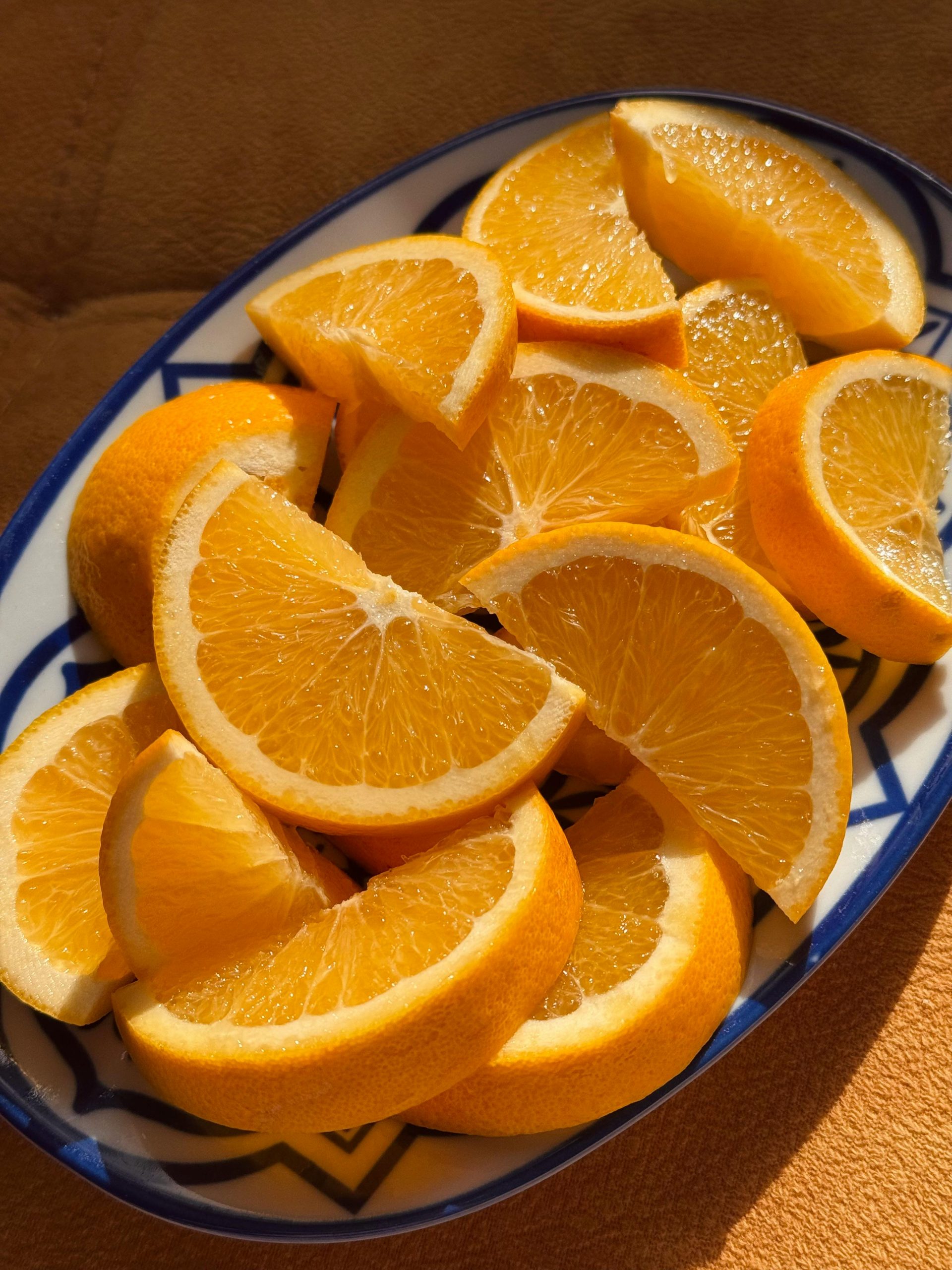
Fruits are one of the easiest and most natural ways to support your toddler’s immune system — especially during cold and flu season. They are rich in vitamin c which support immunity; antioxidants that protect body cells; fiber which support gut health, and water which keeps the body hydrated, all of which help the body fight infections and stay strong. Some of the berries and fruits that are toddler friendly may include:
- mangoes
- Oranges
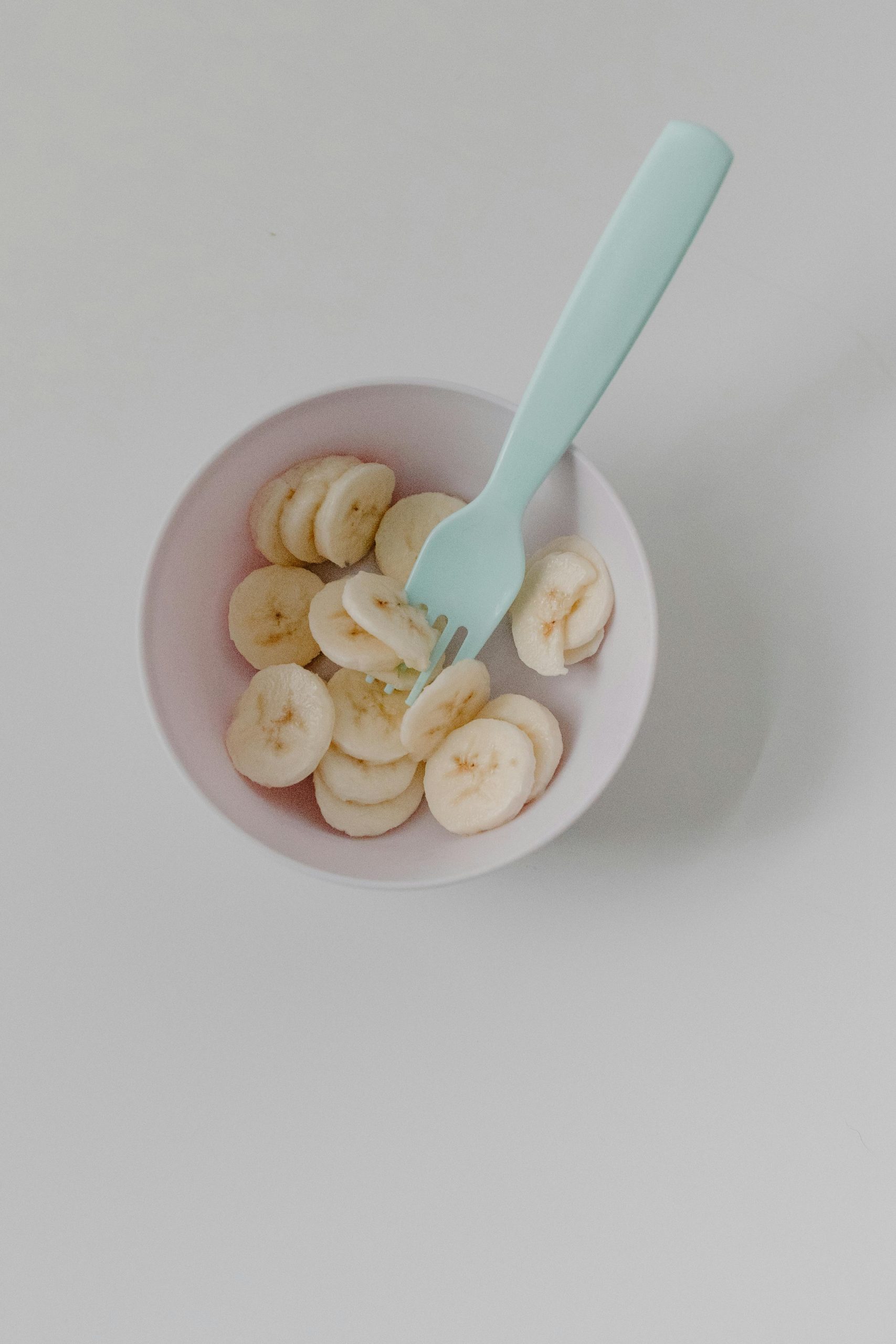
- bananas
- strawberries and blueberries
- papaya apples
2. Protein Foods (Build & Repair Immune Cells)
When we think about boosting a toddler’s immunity, fruits and vegetables usually come first. But protein is just as important. They provide essential amino acids, fiber, vitamins, and minerals which plays a key role in producing antibodies that fight infections. Protein foods also help the body in building and repairing tissues, hence protecting your toddler’s growing body.
During cold season, making sure your toddler gets enough high-quality protein that will support their natural defenses. Best toddler-friendly protein sources:
- Animal-based proteins: lean meats, chicken, fish, eggs
- Plant- based proteins: beans, chickpeas, lentils, green peas,nuts and seeds,
3. Healthy Fats (Support Inflammation Control)
Healthy fats play a very important role in a toddler’s balanced diet. Between ages 1–3, toddlers are growing rapidly — especially their brain and nervous system — and healthy fats are essential for that development. They help regulate inflammation in the body and support immune cell structure.Some vitamins like vitamin D,E and A are fat-soluble, meaning the body needs fat to absorb them properly.
Foods rich in healthy fats:
- Avocado
- Fatty fish (like salmon)
- Nuts and seeds
- Full fat yogurt
4.Whole Grains (Energy)
The are packed with fiber, vitamins, minerals, and antioxidants that help strengthen your child’s developing immune system — especially during cold and flu season.Whole grains contain three most important parts which work differently in the body when consumed:
- Bran (fiber-rich outer layer)
- Germ (nutrient-rich core)
- Endosperm (energy source)
Whole grains provide energy for the body and fiber that improves the gut health. Toddler-friendly whole grain may include:
- Oats
- Brown rice
- Quinoa
- Whole wheat bread
- Millet
5. Fermented & Probiotic Foods (Gut Immunity)
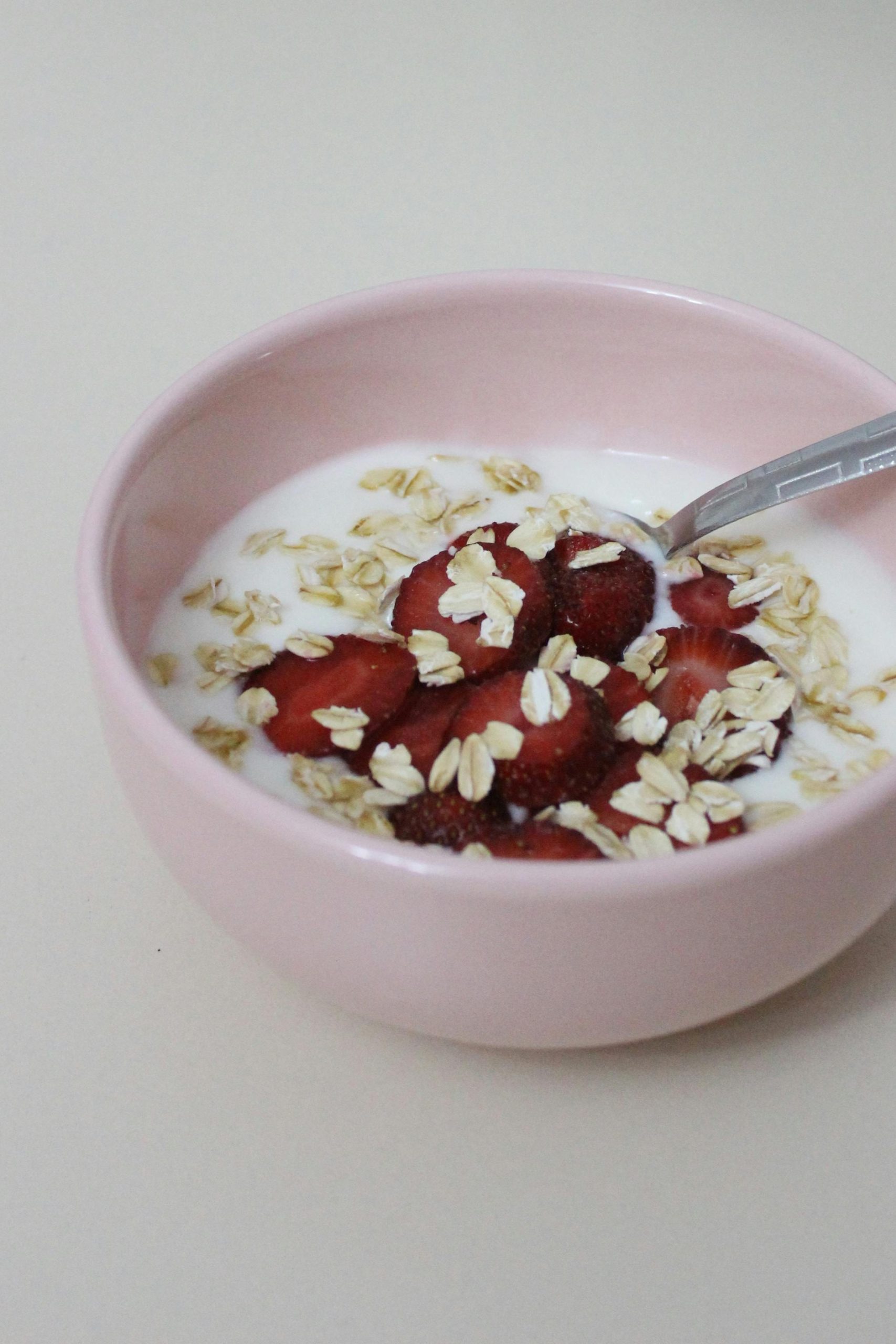
Probiotics play a powerful role in strengthening immunity — especially in toddlers whose immune systems are still developing. Over 50% of the immune system is connected to the gut. Keeping the gut bacteria balanced is key to better overall health. Probiotics are live beneficial bacteria that help maintain a healthy balance of gut microbes.
Toddler-friendly probiotic foods:
- Plain yogurt (with live cultures)
- Kefir
- Fermented foods like small amounts of sauerkraut (age-appropriate)
Always choose plain, unsweetened options for toddlers
6. Water
Hydration plays a crucial role in supporting immunity — for both adults and toddlers. When the body is well-hydrated, every system functions better, including the immune system. water aids in flushing out toxins, and circulating nutrients hence supporting the cells function.
During the cold season, toddlers often drink less water because they don’t feel as thirsty — but their bodies still need plenty of fluids to support immunity, digestion, and energy. Here are gentle, toddler-friendly ways to keep them hydrated even when it’s chilly:
- warm soups and broths
- warm milk
- watery fruits like water melons
- porridge and smoothies
How to Help Toddlers Eat All Food Groups — Especially Vegetables
Getting toddlers to eat all food groups — especially vegetables — can feel like a daily challenge for many parents. While some little ones happily explore new foods, others push vegetables aside without a second thought. The key is building balanced meals in a calm, consistent way that encourages variety without pressure. And if your toddler is still hesitant about visible veggies, you can always explore creative options like hidden vegetable recipes as an extra support strategy while you continue offering whole vegetables regularly. Other tips include:
- Serve all food groups together. Include a vegetable, protein, whole grain/starch, and healthy fat on the plate at the same time so vegetables feel like a normal part of the meal.
- Keep portions small. Start with 1–2 tablespoons of each food. Small servings reduce overwhelm and increase the chances your toddler will try everything.
- Offer vegetables consistently. Serve a veggie at most meals and snacks. Repeated exposure builds familiarity and acceptance over time.
- Pair vegetables with favorite foods. Combine veggies with foods your toddler already enjoys (e.g., broccoli with pasta, carrots with hummus).
- Model balanced eating. Eat the same foods together. Toddlers learn by watching and are more likely to try vegetables when they see you enjoying them.
- Avoid pressure or bribes. Don’t force bites or promise dessert as a reward. Calm, neutral exposure works better long term.
- Focus on weekly balance, not one meal. Toddlers’ appetites vary daily. Aim for variety across the week rather than perfection at every meal.
Simple Daily Immunity-Boosting Meal Idea
Combination of nutrients working together helps a toddler’s immune system stay strong and responsive. Here is a sample meal plan for a day:
Breakfast: Oatmeal with mashed banana and peanut butter
Lunch: steamed broccoli , chicken stew and boiled rice
Snack: Pawpaw cubes
Dinner: Mashed sweet potato with scrambled spinach eggs
Balanced, simple, and nourishing!
Final Thoughts
Supporting your child’s health doesn’t have to be complicated. By consistently offering a variety of fruits, vegetables, whole grains, and protein-rich foods, you naturally strengthen their defense system over time. Remember, immune boosting foods for toddlers work best when served regularly as part of a balanced diet, not just during cold season. Small, simple meals made with nourishing ingredients can build strong immunity and healthy eating habits that last well beyond the toddler years.