If you’ve ever watched your toddler dramatically push away a plate just because they spotted a tiny piece of broccoli, you know how defeating that moment can feel. I remember the phase when my toddler would push the plate away the second a vegetable touched it — even tiny pieces were somehow spotted instantly. It felt frustrating because I knew how important good nutrition is at this age. That’s exactly why I started making hidden veggie breakfast recipes for toddlers — simple, familiar meals with vegetables quietly blended in. These breakfasts help support immunity, aid digestion with added fiber, and provide balanced nutrition for growing little bodies. Slowly, mornings became less stressful and more peaceful, and I felt confident knowing those nutrients were still making their way onto the plate — just in a toddler-approved way. In this post, I’m sharing 4 easy, realistic recipes that busy moms can quickly make, using ingredients you likely already have at home.
Why Add Vegetables to Your Toddler’s Breakfast?
Introducing vegetables early and often is one of the most powerful things you can do for your baby’s long-term eating habits. Even if they make funny faces, spit it out, or refuse it at first, vegetable exposure matters more than immediate acceptance.Early exposure increases the chances that children will accept and even enjoy vegetables later in childhood. The more regularly they see vegetables on their plate, the less “new” or scary they feel.
Vegetables provide key nutrients like vitamin C, vitamin A, folate, and antioxidants that help strengthen a developing immune system. When they are paired with whole grains, fruits, healthy fats, and proteins, they create a balanced meal that supports a toddler’s overall health and development. Leafy greens and colorful vegetables are packed with antioxidants that help protect your toddler’s immune system. I share a full list of simple immunity boosting foods for toddlers that are easy to serve daily.
Healthy Nutrients Found in Vegetables and Why They Matter
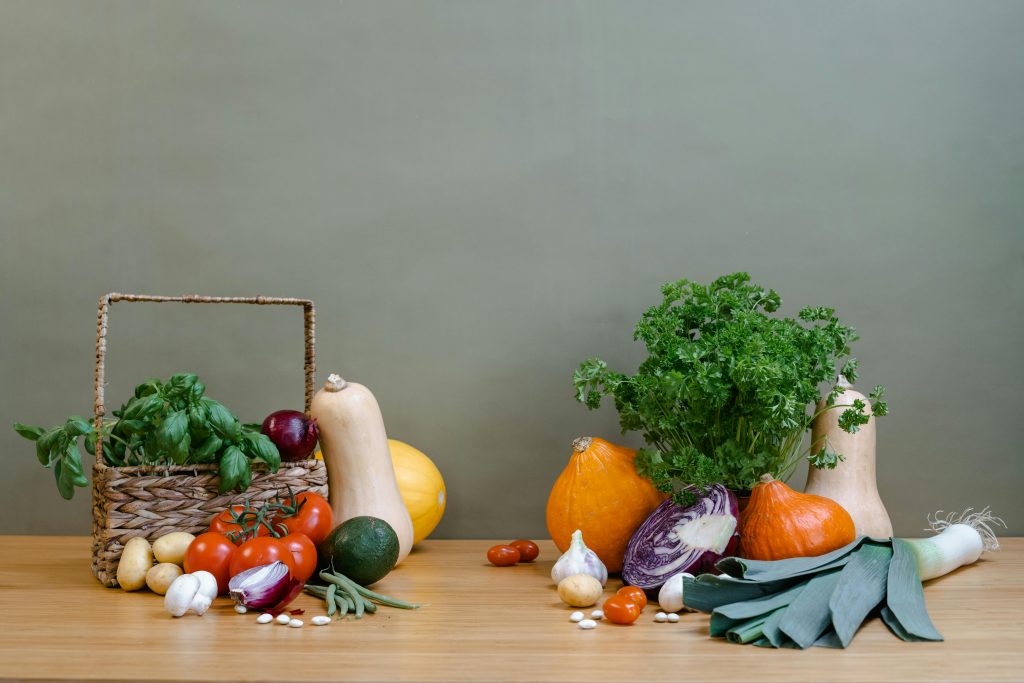
Vegetables are packed with essential nutrients that support growth, immunity, digestion, and overall health. Whether you’re feeding toddlers or the whole family, understanding what vegetables provide can help you build balanced, nourishing meals. Between picky eating, small appetites, and food jags, toddlers often fall short on a few key nutrients. That’s why offering a variety of colors helps prevent nutrient deficiencies.
Vegetables provide:
1.Vitamins
Vitamins found in vegetables play a crucial role in supporting toddler growth during this rapid stage of development. Here is how:
- Vitamin A (carrots, spinach, sweet potatoes)
Supports healthy vision, immune function, and cell growth. - Vitamin C (bell peppers, broccoli, tomatoes)
Strengthens the immune system and helps the body absorb iron. - Vitamin K (leafy greens, broccoli)
Essential for blood clotting and bone health. - Folate (Vitamin B9) (spinach, peas, asparagus)
Supports brain development and healthy red blood cells.
2. Minerals for strong bodies
Minerals found in vegetables quietly support many essential functions in a toddler’s growing body.. Here is how:
- Iron (spinach, peas, lentils)
Prevents anemia and supports brain development — especially important for toddlers. - Potassium (sweet potatoes, tomatoes, leafy greens)
Supports heart health and muscle function. - Magnesium (leafy greens, broccoli)
Helps with nerve function and muscle relaxation.
4. Fiber for Healthy Digestion
Vegetables are naturally rich in fiber, an essential nutrient that plays a big role in toddler digestion. Fiber helps prevent constipation by keeping bowel movements regular and comfortable — something many toddlers struggle with during dietary transitions. It also supports a healthy gut by feeding beneficial bacteria that aid digestion and strengthen immunity. In addition, fiber helps children feel full and satisfied after meals, which can reduce constant snacking on less nutritious foods. For toddlers adjusting to new foods and changing appetites, consistent fiber intake from vegetables helps keep their digestive system balanced and functioning smoothly.
5. Antioxidants for Disease Protection
Vegetables contain powerful antioxidants that help protect a toddler’s growing body at the cellular level. Beta-carotene, found in orange vegetables like carrots and sweet potatoes, supports a strong immune system and healthy development. Lycopene in tomatoes contributes to heart health and protects cells from damage, while lutein in leafy greens supports eye health and healthy vision. Offering a variety of colorful vegetables not only makes meals visually appealing but also ensures your child receives a wider range of protective nutrients.
Breakfast Recipes That Hide Vegetables for Toddlers
Mornings can feel overwhelming—especially when your toddler suddenly decides they “don’t like green things.” The good news? You can gently boost their nutrition without battles at the table. These breakfast recipes that hide vegetables for toddlers help support immunity, digestion, and balanced growth—while still tasting familiar and toddler-approved.
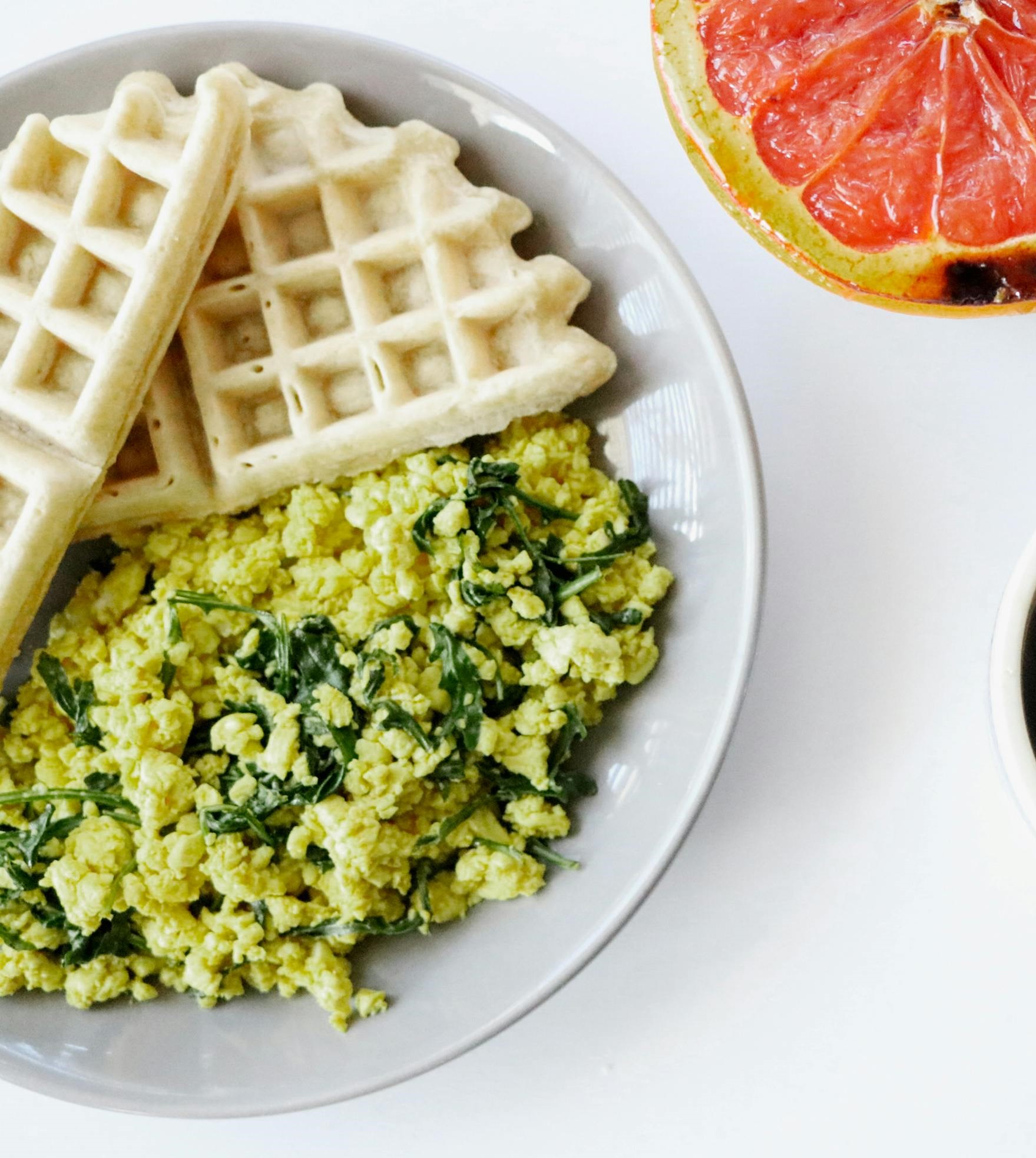
1. Spinach Scrambled Eggs
Finely chopped spinach melts into soft scrambled eggs.
Ingredients
- 2 eggs
- 2 tbsp finely chopped spinach
- 1 tbsp milk or water
- Small knob butter or olive oil
How to Make
Whisk eggs and milk. Stir in finely chopped spinach. Cook gently on low heat until soft and fluffy. serve warm.
You can find other breakfast egg recipes for toddlers on my recipes.
2. Sweet Potato Breakfast Porridge
This porridge is naturally creamy and slightly sweet.
Ingredients
- ½ cup oats
- ½ cup mashed cooked sweet potato
- 1 cup milk
- Dash cinnamon
How to Make
Cook oats with milk, then stir in mashed sweet potato and cinnamon until creamy. serve warm
3. Carrot Oat Breakfast Muffins
Carrots blend beautifully into soft muffins and add natural sweetness. you can also add mashed banana to the batter for more flavor.
Ingredients
- 1 cup oats (blended into flour)
- ½ cup grated carrots
- 1 mashed banana
- 1 egg
- 2 tbsp oil or melted butter
- a pinch of cinnamon
How to Make
Mix ingredients in a bowl, pour the batter into mini muffin tins, and bake at 180°C (350°F) in a preheated oven for 15–18 minutes.Wait for the muffins to cool then serve.
4. Spinach Banana Smoothie
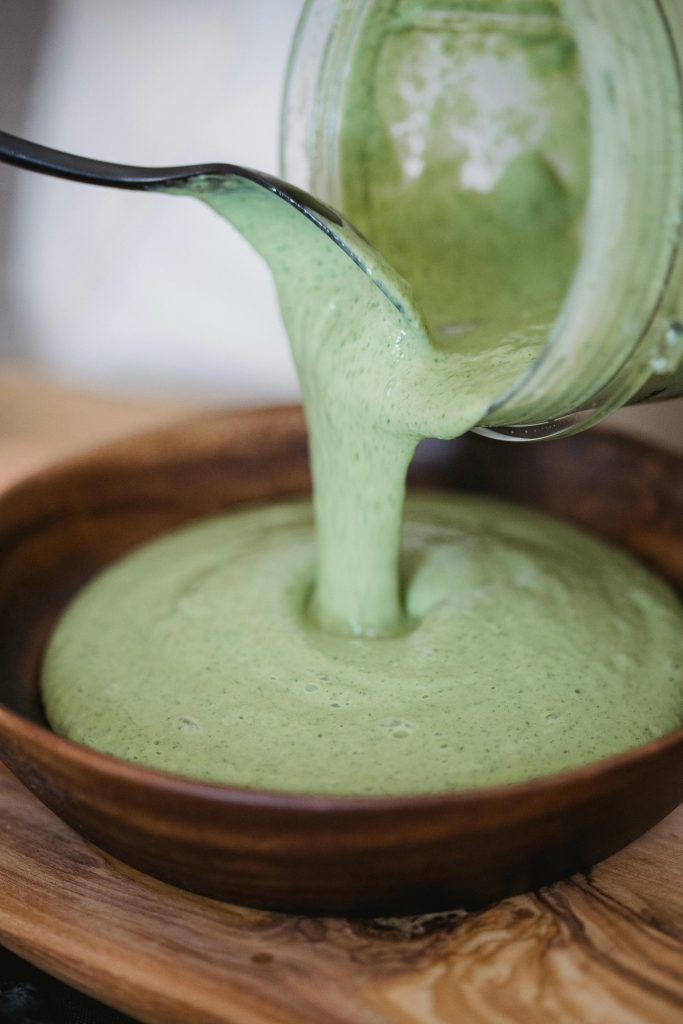
If your toddler runs the other way when they see greens, this smoothie is a simple win. The banana naturally sweetens it, while the spinach blends in so smoothly most little ones won’t even notice.
Ingredients
- 1 ripe banana
- ½ cup fresh spinach (loosely packed)
- ½ cup full-fat milk (or fortified plant milk)
- ¼ cup plain yogurt (optional, for creaminess & protein)
- 1–2 tbsp peanut butter or avocado (optional for healthy fats)
How to Make
Blend slightly steamed spinach with the milk first to fully break down any green bits before adding the other ingredients. Blend until smooth and serve in a toddler’s cup.
Tips for Successfully Hiding Vegetables in Breakfast
Here are a few practical tips that really work:
- Start small. Add 1–2 tablespoons first.
- Use naturally sweet vegetables like carrots, pumpkin, and sweet potatoes.
- Blend or grate finely to avoid texture resistance.
- Pair with familiar flavors like banana, cinnamon, peanut butter, or apples.
- Keep portions realistic — toddlers don’t need large servings.
How Often Should Toddlers Eat Vegetables?
Toddlers generally benefit from vegetables offered at most meals. That doesn’t mean they’ll eat them every time — and that’s okay.
Think balance over the entire week, not per meal. A few tablespoons here and there add up quickly.
Final Thoughts on Hidden Veggie Breakfast for Toddlers
Adding vegetables to breakfast doesn’t have to feel stressful or sneaky. These hidden veggie breakfast ideas for toddlers simply make nutrition easier during the picky eating years. Some days your toddler will eat everything. Other days they won’t. What matters most is consistency, patience, and offering balanced meals regularly.
You’re doing better than you think — even one tablespoon of hidden spinach counts.