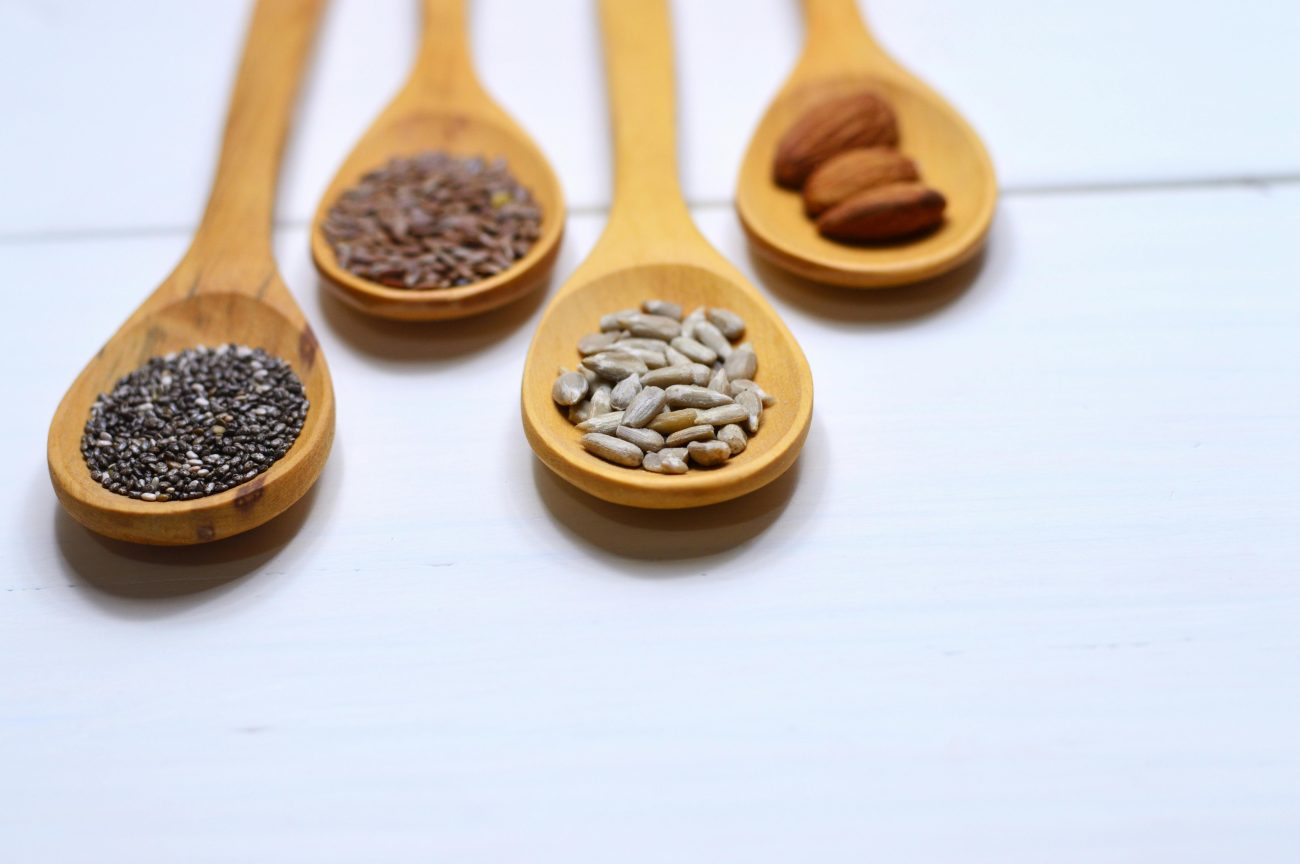
Toddlers are growing fast, and every meal is a chance to support their development in a meaningful way. Offering nutrient-rich foods is especially important during this stage, with a good balance of protein and healthy fats helping to fuel their energy, support brain growth, and keep them satisfied between meals. One simple way to naturally boost their nutrition is by adding seeds and nuts into everyday foods. These small but powerful ingredients are packed with essential nutrients like fiber, vitamins, and minerals that help support overall health and well-being.
As a mom, I know how easy it is to fall into the routine of serving the same quick meals, especially on busy days. But something as simple as mixing in a little nut butter or sprinkling seeds into familiar foods can make a big difference without extra effort. It doesn’t have to be complicated or time-consuming—just small, thoughtful additions that quietly make meals more nourishing while still being easy, tasty, and toddler-approved.
Why Seeds and Nuts Are Great for Toddlers
Seeds and nuts may be small, but they are packed with nutrients that play a big role in supporting your toddler’s growth and development. During these early years, little bodies need a steady supply of healthy fats, protein, and essential vitamins—and seeds and nuts deliver all of that in a simple, natural way.
When prepared and offered safely, seeds and nuts offer many benefits for growing toddlers:
- Healthy fats for brain development
- Iron and zinc to support growth and immunity
- Protein for muscle development
- Fiber for healthy digestion
- Energy for active little bodies
Seeds and nuts are packed with the above nutrients and goodness that support every part of your toddler’s growth and development.The plant -based protein found in seeds and nuts plays a key role in building and repairing muscles and tissues, making them especially beneficial after active play or sports. This makes them a perfect addition to post-activity meals or snacks—just like the ideas shared in my post on energy-boosting snacks for active toddlers.
As moms, we all know how quickly toddlers go from “I’m full” to “I’m hungry again,” especially on busy, active days. That’s where seeds and nuts can really help. They keep little tummies full and satisfied for longer, thanks to the great source of fiber, which provide lasting energy for active little bodies throughout the day—so you’re not constantly reaching for snacks every hour. The best part is how easy they are to use. You don’t have to change your toddler’s favorite meals at all; just small additions like a spoon of nut butter or a sprinkle of seeds can quietly boost nutrition while keeping meals familiar and stress-free.
Introducing Seeds and Nuts Safely
Once your baby starts solids, it’s completely normal to wonder when and how to introduce foods like nuts and seeds. Many parents feel hesitant because nuts are known to be common allergens, and the fear of a reaction can be overwhelming. However, current research has shifted this thinking. Experts now suggest that introducing allergenic foods early—when done safely—may actually help lower the risk of developing allergies later in childhood.
If your baby is ready for solids, usually around 6 months, and there’s no known family history of food allergies, you can begin introducing nuts and seeds in a safe form. The key is to avoid whole pieces and instead offer them as finely ground powders or smooth pastes mixed into soft foods like porridge, yogurt, or mashed fruits. This makes it easier for your baby to eat while reducing any choking risk. According to guidance from the NHS (National Health Service, UK), early introduction of allergenic foods like peanuts can be beneficial—learn more here
As your child grows, especially after 12 months, you can continue offering ground nuts and seeds and begin introducing smooth nut butters as part of their meals or snacks. Just remember to avoid whole nuts and seeds until at least age 5, as they can pose a choking hazard. Taking these gradual steps allows your child to safely enjoy the nutritional benefits of nuts and seeds while also supporting early exposure in a safe and manageable way.
Here are a few things to consider when serving nuts and seeds to toddlers:
- Watch for any signs of allergy. some of the signs may be rash on skin, vomiting, diarrhea,or swelling of lips or tongue. If introducing a new nut or seed, do so one seed or nut at a time and wait 3–5 days before trying another to monitor for reactions. If you have a family history of allergies, speak to your pediatrician before introducing nuts.
- Avoid whole nuts and thick nut butter. Do not serve whole nuts or large seeds to babies and toddlers.This pose great choking risks for children under the age of 5 years. Avoid a thick paste of seed or nut butter it can stick to a toddler airways causing choking risk. Always thinly spread butters or thin it with liquid.
- Always supervise meals. Even as toddlers self-feed ,its always good to keep an eye or be present during meal times.
Toddler-Safe Seeds and Nuts
When it comes to feeding toddlers, safety is just as important as nutrition—especially with foods like nuts and seeds. While they are incredibly nutritious, the way they’re served makes all the difference. Whole nuts and large seeds can be a choking hazard, so it’s important to offer them in forms that are safe, easy to chew, and toddler-friendly. For everyday meals, you can safely include options like smooth nut butters (such as peanut or almond butter), finely ground nuts, or powdered seeds mixed into foods your toddler already enjoys.
Safe options to include:
Nutrient-Dense Foods: Types of Seeds for Toddlers
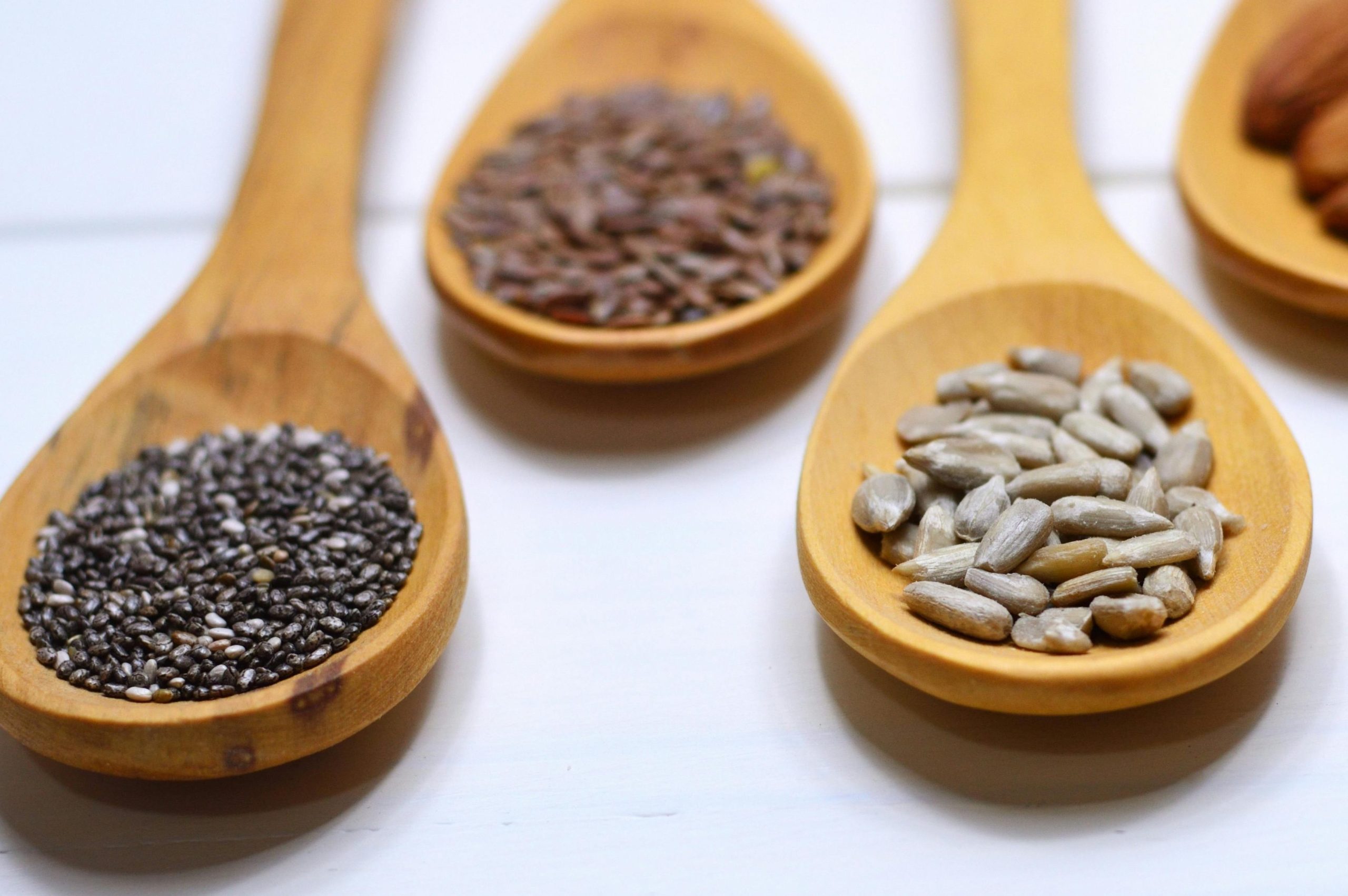
Introducing seeds into your toddler’s meals is an easy and safe way to boost nutrition—when served in the right form. These tiny ingredients are packed with healthy fats, fiber, and important minerals, and they blend so easily into everyday foods.
Here are some toddler-friendly seeds you can start with:
Sesame Seeds
Sesame seeds are a great source of calcium, which supports strong bones and teeth, along with healthy fats that are important for your toddler’s growth. They also contain iron and magnesium, which contribute to overall development.
Best ways to serve: Grind sesame seeds into a fine powder or use tahini (sesame paste), then mix into porridge, yogurt, or sauces. You can also lightly sprinkle the ground seeds over foods just before serving.
Pumpkin Seeds
Pumpkin seeds are packed with iron and zinc, two important nutrients that help support your toddler’s immune system and healthy growth. They also provide a good amount of plant-based protein and healthy fats.
Best ways to serve: Lightly roast pumpkin seeds to enhance flavor, then grind them into a fine powder. Mix into oatmeal, smoothies, or baked foods like muffins and pancakes.
Sunflower Seeds
Sunflower seeds are rich in vitamin E, which supports skin health and immunity, along with healthy fats that help keep your toddler energized. They also contain magnesium, which is important for muscle and nerve function.
Best ways to serve: Grind into a fine powder or use sunflower seed butter. Add to porridge, yogurt, or mix into mashed foods for an easy nutrition boost.
Flaxseeds (Linseeds)
Flaxseeds are an excellent source of omega-3 fatty acids, which are essential for brain development, as well as fiber for healthy digestion. However, whole flaxseeds can pass through the body undigested.
Best ways to serve: Always grind flaxseeds into a fine powder before serving. Add to oatmeal, smoothies, pancakes, or sprinkle into soft foods for better nutrient absorption.
Chia Seeds
Chia seeds are rich in omega-3 fatty acids, fiber, and important minerals like calcium and iron. They are great for supporting digestion and providing steady energy for active toddlers.
Best ways to serve: Never serve chia seeds dry, as they can be a choking risk. Instead, soak them in water or milk for about 15 minutes until they form a soft, gel-like texture (chia gel). You can then mix them into yogurt, porridge, or smoothies.
Nutrient-Dense Foods: Types of Nuts for Toddlers
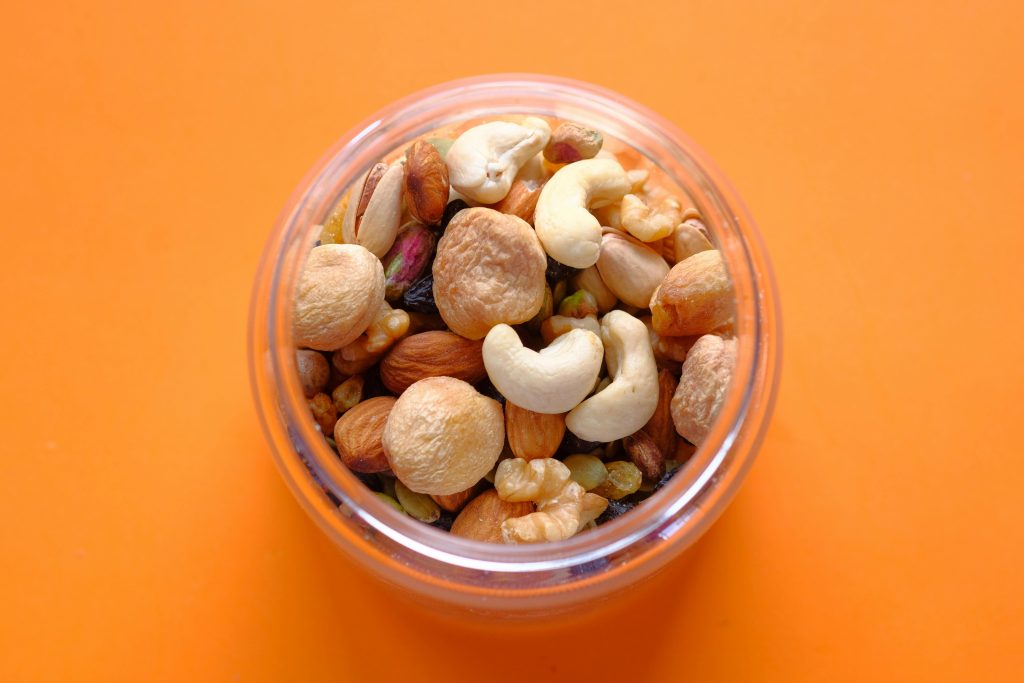
Nuts are a wonderful addition to your toddler’s diet—they’re packed with protein, healthy fats, and essential nutrients that support growth and energy. The key is to always serve them in a safe, toddler-friendly form like smooth nut butters or finely ground nuts to avoid any choking risk. Always grind nuts into a fine powder or use smooth nut butters for toddlers under 5.
Here are some great nuts you can introduce:
Easy Ways of Adding Seeds and Nuts to Toddler Meals (Nutritious & Toddler-Friendly Ideas)
Here are some simple, everyday ways of adding seeds and nuts to toddler meals:
1. Mix into Porridge or Oatmeal
Stir about ½–1 teaspoon of ground seeds or nut powder into warm porridge, oats, or millet meals. It blends in easily and adds extra nutrition without changing the taste your toddler already loves.
2. Add to Pancakes and Muffins
Mix ground nuts or seeds into pancake batter, banana muffins, or homemade bread. This is a great way to turn favorite treats into more nutrient-rich options.
3. Sprinkle into Rice and Pasta
Add finely ground seeds to rice, pasta, or mashed potatoes for a simple, hidden nutrition boost. It’s perfect for picky eaters who may not notice the difference.
4. Blend into Smoothies
Add a spoon of nut butter or ground seeds into fruit smoothies or yogurt blends. This makes drinks more filling while providing healthy fats and protein.
5. Stir into Soups and Stews
Ground seeds can easily be mixed into vegetable soups, lentils, or bean stews. They blend well without affecting the flavor, making meals more nourishing with no extra effort.
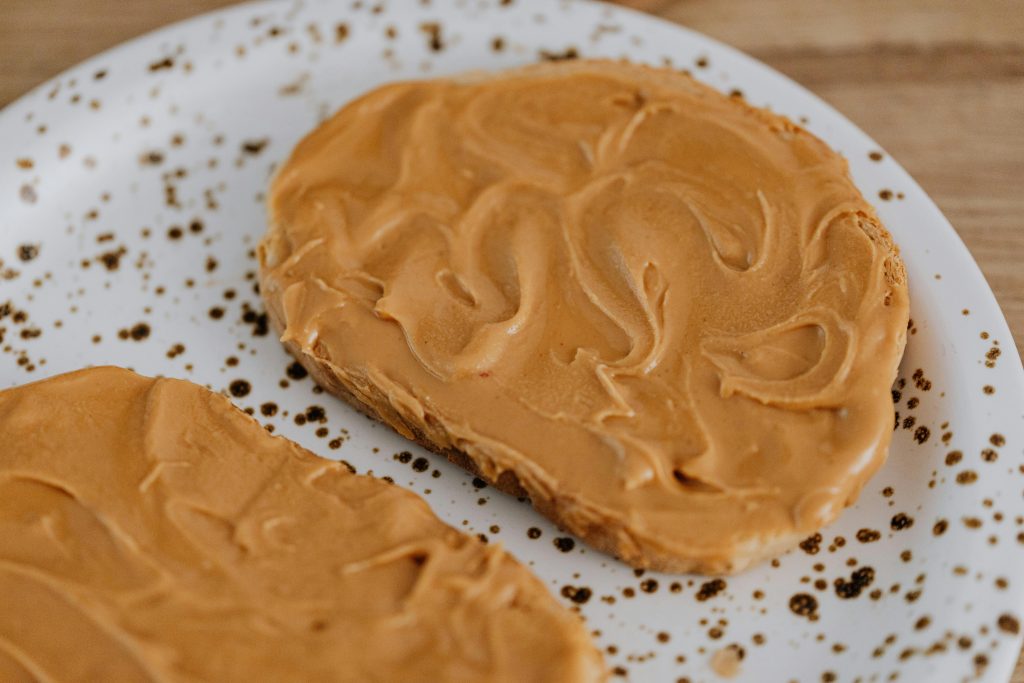
6. Use Nut Butter as a Spread
Spread smooth peanut or almond butter on toast, chapati, or sliced bananas. It’s a quick and easy way to add protein and healthy fats to everyday snacks.
Frequently Asked Questions (FAQs) About Seeds and Nuts for Toddlers
1. Can toddlers eat seeds and nuts every day?
Yes, toddlers can have seeds and nuts daily in small, appropriate portions. They are nutrient-dense and provide healthy fats, protein, and essential minerals. Just be mindful of variety and portion sizes to keep meals balanced.
2. At what age can I introduce seeds and nuts?
Seeds and nuts can be introduced from around 6 months, once your baby is ready for solids. Always serve them in safe forms like smooth nut butters, finely ground powders, or soaked seeds.
3. How do I safely serve nuts and seeds to toddlers?
Avoid whole nuts and hard seeds, as they can be a choking hazard. Instead, offer:
- Smooth nut butters (thinly spread or mixed into foods)
- Finely ground nuts and seeds
- Soaked seeds like chia (to form a soft gel)
4. What are the best seeds and nuts for toddlers?
Great options include chia seeds, flaxseeds, sesame seeds, pumpkin seeds, sunflower seeds, as well as almonds, cashews, peanuts, and walnuts—all served in safe forms.
5. How much should I give my toddler?
Start with small amounts, like ½ teaspoon to 1 teaspoon, and gradually increase as your toddler gets used to them. A little goes a long way since they are highly nutritious.
6. Can seeds and nuts cause allergies?
Yes, nuts are common allergens. That’s why it’s important to introduce them one at a time and watch for any reactions. Current guidance supports early introduction (around 6 months) to help reduce allergy risk, when done safely.
7. What signs of an allergic reaction should I watch for?
Look out for symptoms like rash, swelling (especially around the face or lips), vomiting, or difficulty breathing. If you notice severe symptoms, seek medical help immediately.
Final Thoughts
Adding seeds and nuts to your toddler’s meals is one of the simplest ways to boost nutrition without making feeding time complicated. These small but powerful ingredients are true nutrient-rich foods for toddlers, providing a wide range of essential vitamins and minerals that support healthy growth, strong immunity, and overall development.
They are especially valuable sources of protein and healthy fats for toddlers, helping to support brain development, build and repair growing muscles, and keep little ones feeling full and satisfied for longer. For active toddlers, this also means more steady energy throughout the day—something every mom can appreciate.
The best part is how easy it is to include them in everyday meals. Whether you’re stirring ground seeds into porridge, blending nut butter into smoothies, or adding them to pancakes and snacks, these small additions can make a big nutritional difference. With the right preparation and safe serving methods, seeds and nuts can become a regular, stress-free part of your toddler’s diet.
At the end of the day, it’s all about simple, nourishing choices. By including seeds and nuts regularly, you’re giving your toddler a strong nutritional foundation—one small spoon at a time 💛
Hi, I’m Leah, a mom behind Toddler Parent Kitchen. I share simple toddler-friendly recipes, picky eating tips, and realistic nutrition advice for busy parents.