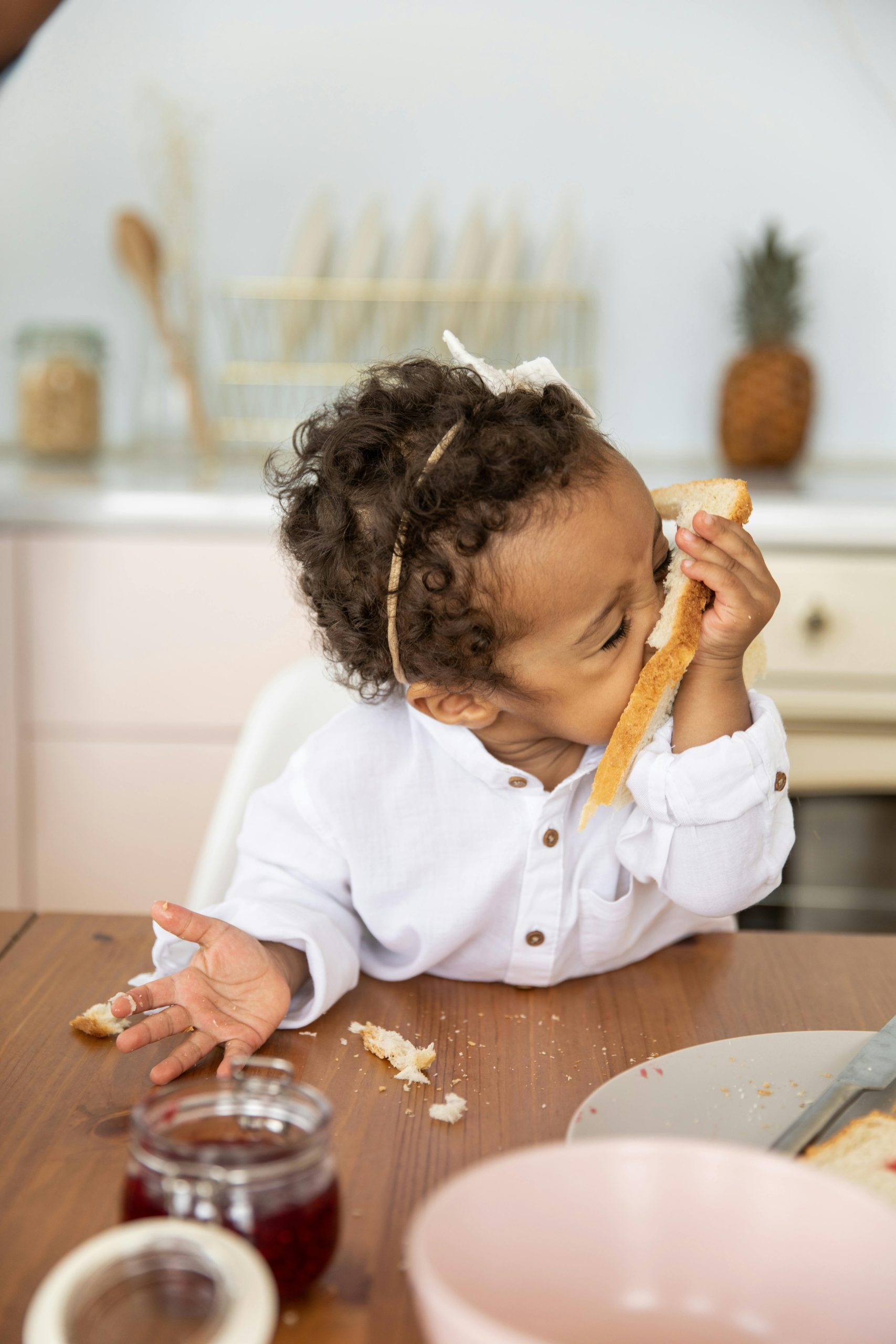
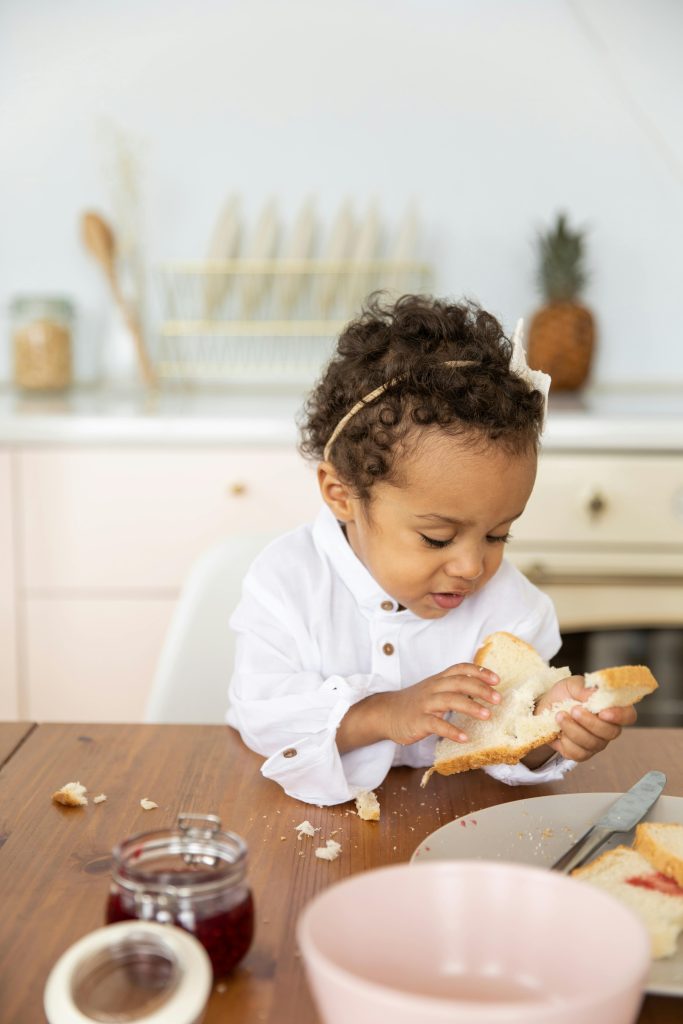
Toddler food throwing during self-feeding can make mealtimes feel exhausting and frustrating. While most professionals recommend encouraging independence at the table, many parents find themselves dealing with flying spoons, tossed fruit, and food scattered across the floor. If your toddler has turned self-feeding into a throwing game, you’re not alone — and this phase is more common (and manageable) than you think.
If you’re in the food-throwing phase, take a deep breath. You’re not failing. You’re parenting a toddler.
In this post, I’m sharing what worked for us when self-feeding turned into a daily clean-up marathon — and how we navigated this messy but completely normal stage.
Why Toddlers Throw Food During Mealtime
Welcome to the “flower girl” phase — except instead of petals, it’s dinner. If your baby is throwing food out of the plate, I want you to breathe for a second.
You are not failing as a parent.
Your child is not “naughty.”
Here’s what’s happening:
🔹 Development & Curiosity
When a toddler throws food, it is often not misbehavior but a normal developmental and curiosity phase. Between 9 months and 3 years, toddlers are learning about cause and effect — they are discovering what happens when they drop, toss, or push something away. Food becomes part of that exploration because it is right in front of them during meals. When they drop a spoon or toss a piece of banana, they are experimenting and thinking, “What happens if I do this?” They notice the sound it makes, how it falls, and how you react. This simple action helps build brain connections related to problem-solving, prediction, and understanding their environment. To adults it looks messy or intentional, but to a toddler it is hands-on science in action.
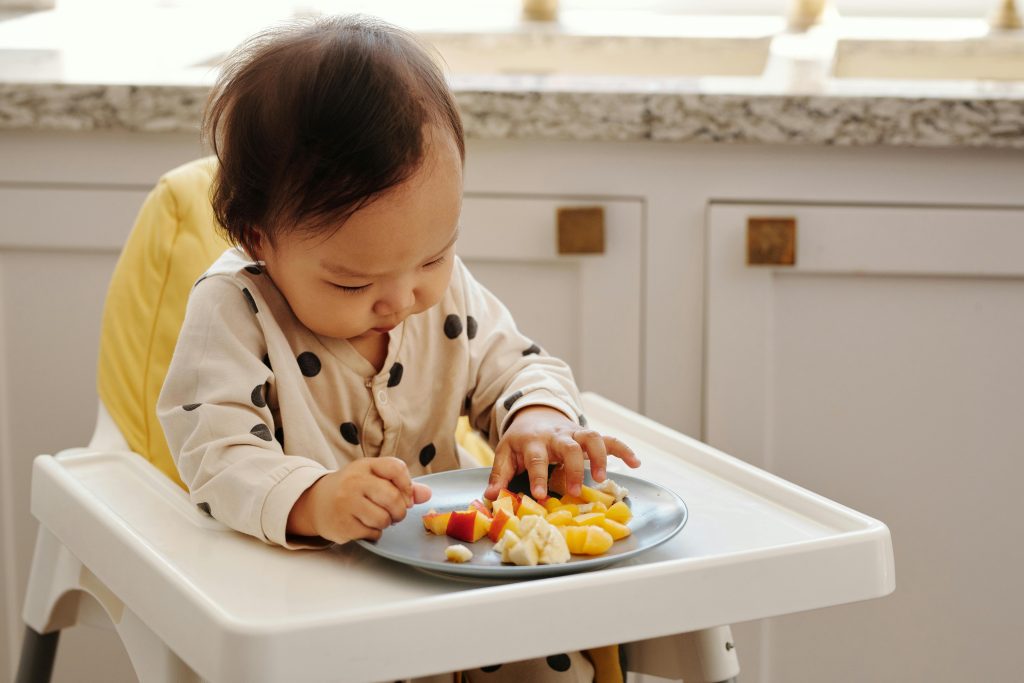
Meal times becomes time for practicing motor skills. For toddlers, food often becomes sensory play because they learn best through touch, sight, smell, and texture. Squishing mashed potatoes, rubbing yogurt between their fingers, or crumbling bread helps them explore how things feel, move, and change shape. At this age, sensory experiences build important brain connections that support fine motor skills, coordination, and cognitive development.
🔹 Communication & Emotions
Toddlers often throw food when they’re full because they don’t yet have the words or self-control to clearly say, “I’m done.” Instead of pushing the plate away politely, they might drop food, swipe it off the tray, or toss it to the floor. At this age, their hunger cues are strong but their communication skills are still developing. Throwing can simply be their way of signaling that their tummy is satisfied or that they’ve lost interest in the meal.
Food throwing can sometimes be a toddler’s way of getting attention, especially if they notice that it brings a big reaction. At this age, children are deeply connected to their caregivers and constantly learning how their actions influence others. If tossing a spoon or dropping food leads to eye contact, laughter, frustration, or a quick response, they quickly understand that this behavior gets noticed. Even negative reactions can feel rewarding because attention is attention.
At times, food throwing can be about big feelings that toddlers don’t yet know how to manage. Mealtimes can be overwhelming — too much noise, too many textures, hunger turning into over-tiredness, or frustration with not being able to use utensils properly. When emotions build up, a toddler may swipe the plate or toss food as a physical release of that frustration. They are not trying to be difficult; they are reacting with the only tools they currently have.
Toddlers throw food to show independence. It is often part of their growing desire to say, “I can decide.” Between ages 1-3 years, children begin to realize they are separate individuals with their own choices and preferences. Mealtime becomes one of the easiest places to practice that power. Tossing food, pushing the plate away, or refusing bites can be their way of asserting control in a world where most decisions are made for them. While it can feel defiant, it is actually a healthy developmental step.
🔹 Environment & Routine
Too many distractions at the table can easily lead to food throwing because toddlers have very limited attention spans and self-regulation skills. Loud television, toys nearby, phones, siblings playing, or constant movement can overstimulate them and make it hard to focus on eating. When their attention shifts away from hunger, food becomes something to play with rather than something to eat. Over-stimulation can also increase frustration, making them more likely to swipe or toss what’s in front of them.
When a toddler is overtired — especially after a changed routine — food throwing can increase significantly. Changes like missed naps, travel, visitors, starting daycare, or even a later bedtime can disrupt their sense of security and regulation. When toddlers are exhausted, their ability to manage emotions and impulses drops dramatically. Small frustrations at the table, like struggling with a spoon or not liking a texture, can quickly turn into swiping or tossing food. In these moments, throwing is often less about behavior and more about an overwhelmed nervous system.
What Worked for Us During the Food-Throwing Phase
Let’s be honest.
- Yelling didn’t help.
- Long lectures didn’t work.
- Ending the meal immediately caused more frustration.
- Giving unlimited refills just created more throwing material.
Here are a few tips that helped me in this phase:
1. Serve Very Small Portions
Instead of placing a full plate in front of my toddler, I started offering two or three small pieces at a time.Large amounts of food on the plate can feel overwhelming, and when toddlers feel overstimulated or unsure, they may respond by swiping or tossing it. Smaller portions of balanced diet meals make the plate look manageable and less intimidating, which helps them stay focused on eating rather than playing. It also limits how much food can end up on the floor if throwing does happen. You can always offer more once they finish what’s in front of them.
Offer the right foods to practice self-feeding. Certain foods are easier for self-feeding:
- Soft fruit slices
- Well-cooked vegetables
- Small pieces of toast
- Thick porridge that sticks to the spoon
Slippery or overly tiny foods were more likely to end up on the floor.
2. Teach “All Done” Early
Toddlers often throw food because they’re finished.
We started modeling and teaching:
- Saying “all done”
- Using the sign for “all done”
- Placing unwanted food in a small bowl instead of on the floor
“Food stays on the tray. If you’re all done, tell mama.”
By consistently modeling and saying “all done” at the end of meals, you give your child a clear, respectful way to express themselves. When they learn that saying or signing “all done” results in the plate being removed calmly, they no longer need to toss food to get the same message across. Over time, this simple communication tool reduces frustration, builds language skills, and helps create more peaceful mealtimes. It took repetition. But it worked.
3. Stay Calm (Even When You Don’t Feel Calm)
Toddlers love reactions. If throwing gets a big response, it becomes interesting.
When food was thrown, a steady voice, simple words like “Food stays on the plate,” and calm follow-through teach boundaries without adding tension. Staying calm doesn’t mean you’re not annoyed — it means you’re choosing to guide instead of react. Over time, that consistency helps toddlers feel secure, understand expectations, and move through the phase more quickly. Recognizing signs of overwhelm — fussiness, rubbing eyes, pushing food around — and responding with calm reassurance can prevent escalation and help them feel safe and understood at the table.
4. End the Meal If Throwing Continues
If food kept flying after reminders, I calmly said:
“It looks like you’re all done. We’ll try again later.”
And I ended the meal. Not as punishment — but as a boundary. Toddlers learn quickly when actions connect to outcomes.
5. Reduce Distractions
Eating when watching TV or playing with toys, can cause over-stimulation which can be reduced by creating a calm, simple mealtime environment. Minimal noise and clear focus on eating helps toddlers stay engaged, recognize their hunger cues, and reduce impulsive behaviors like throwing food.
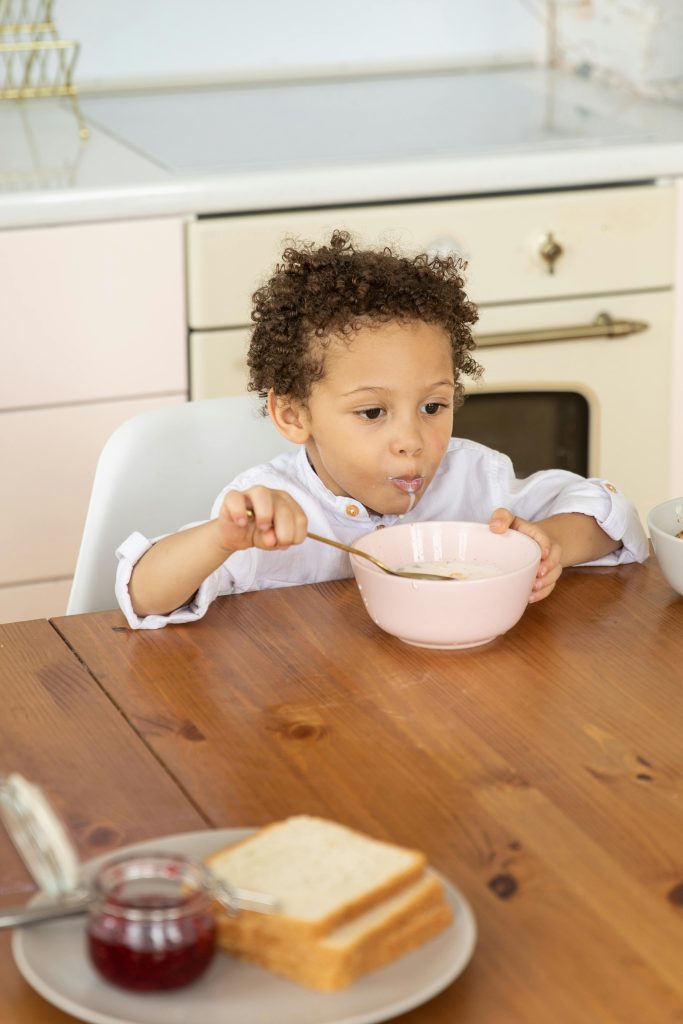
6. Returning to a predictable daily routine.
Toddlers thrive on consistency, and when naps are skipped, bedtimes shift, or the day feels chaotic, their ability to regulate emotions drops quickly. Protecting nap times and keeping sleep consistent helps restore their capacity to handle small frustrations at the table. During transition periods — such as travel, visitors, or schedule changes — simplifying meals can also reduce overwhelm. Offering familiar, easy-to-eat foods in a calm environment supports their sense of security and lowers the chances of impulsive behaviors like throwing food.
When Should Parents Be Concerned About Toddler Food Throwing?
In most cases, food throwing is a normal developmental phase, especially when parents are trying to understand why toddlers throw food in the first place. However, you may want to look closer if:
- Food throwing happens at every meal for several weeks with little or no improvement despite consistent boundaries.
- Your toddler refuses to eat and only throws food, especially if meals end with very little actual intake.
- Frequent gagging, choking, or strong texture aversions that cause visible distress at the table.
- Intense meltdowns or aggressive behavior (hitting, biting, extreme screaming) regularly accompany food throwing.
- Noticeable weight loss, poor growth, or low energy levels that may signal inadequate nutrition.
- Food throwing continues beyond the typical toddler phase (well past age three) without gradual reduction.
- You feel something isn’t right, even if others say it’s “just a phase.” Parental instinct matters.
While most cases of toddler food throwing are part of normal development, persistent patterns that affect nutrition, growth, or emotional well-being deserve a conversation with your pediatrician for reassurance and guidance.Trust your instincts — if something feels beyond a typical phase, speaking with your pediatrician can provide clarity and peace of mind.
Final Encouragement for Tired Parents
If you’re in the middle of toddler food throwing during self-feeding, please know this phase does not define your child — or your parenting. It’s messy, yes. It’s exhausting, definitely. But it’s also part of learning independence, boundaries, and communication.
Consistency matters more than perfection. Calm responses matter more than quick fixes. And small daily efforts — like serving tiny portions, teaching “all done,” and staying steady — truly add up over time.
One day, your toddler will sit at the table and eat without tossing anything on the floor. The throwing phase will pass, just like so many other challenging stages of toddlerhood.
For now, give yourself grace. Protect your peace at the table. And remember — raising independent eaters sometimes comes with a little extra sweeping.
You’re doing better than you think. 💛
Hi, I’m Leah, a mom behind Toddler Parent Kitchen. I share simple toddler-friendly recipes, picky eating tips, and realistic nutrition advice for busy parents.