
A simple weekly meal plan for toddlers (ages 1–3) can make busy days easier while ensuring your little one gets the balanced nutrition they need to grow and thrive. Feeding toddlers between ages 1 and 3 can feel overwhelming. One day they love eggs, the next day they refuse them completely. Between picky phases, changing appetites, and toddler independence, planning meals ahead reduces stress and helps you serve healthy breakfasts, lunches, snacks, and dinners with confidence. This 7-day toddler meal plan is designed to be practical, affordable, and realistic for everyday parents.
Why Toddlers (Ages 1–3) Need a Balanced Meal Plan
The toddler years (ages 1–3) are a period of rapid growth, brain development, and increasing independence. During this stage, your child is learning to walk, talk, explore, and assert preferences — especially at the table. Because their bodies and brains are developing so quickly, toddlers need a balanced meal plan that provides steady energy, essential nutrients, and healthy eating habits that can last a lifetime.
A balanced diet ensures:
1. Stable Energy and Fewer Meltdowns
Toddlers are naturally picky. Many prefer carbohydrates and may refuse vegetables or protein. Meals that are heavy in sugar or refined carbs can lead to quick energy spikes followed by crashes. Therefore,offering a balanced plate increases the chance that your toddler will get what their body needs for stable energy. Even if they don’t eat everything every time, it will help keep blood sugar steady, which often means:
- Better mood
- Longer attention span
- Fewer hunger-related tantrums
2. Improved Immunity
Frequent colds are common in toddlers, especially if they attend daycare. Nutrient-rich foods that support immune system should contains nutrients like Vitamin C, Zinc, Protein and Vitamin A. One group of food like citrus fruits won’t prevent every illness, but a balanced diet strengthens the body’s natural defenses against infections.
3. Preventing Nutrient Deficiencies
Toddlers’ appetites are small and preferences change fast, toddlers are at risk for nutrient deficiencies if meals aren’t balanced. They have small stomachs but high nutrient needs and may also go through picky eating phases leading to the most common deficiencies in this age group include:
- Iron
- Calcium
- Vitamin D
- Zinc
Deficiency in the above nutrients, negatively affect toddler’s overall growth and development.
4. Steady Physical Growth and Brain Development
Between ages 1 and 3, a toddler’s brain is growing at an incredible pace. Proper nutrition supports. Healthy fats (like those found in avocado, seeds and nuts ), iron-rich foods (such as beans and meat), and protein all play a key role in brain function. Without balanced meals, toddlers may become fatigued, irritable, or have difficulty concentrating. Toddler needs balanced foods because they are still developing bones and muscles hence they may not grow well if they lack proper nutrition.
Nutritional Needs of 1–3 Year Olds
Between ages 1 and 3, toddlers need:
- Protein for growth (eggs, beans, yogurt, chicken)
- Healthy fats for brain development (avocado, peanut butter)
- Iron-rich foods (beans, spinach, fortified cereals)
- Calcium (milk, yogurt, cheese)
- Fiber (fruits, vegetables, whole grains)
According to pediatricians from the American Academy of Pediatrics, toddlers do best with three small meals and two to three healthy snacks daily. Portions should be small — about 1 tablespoon per year of age per food group is a good starting point.
Simple Weekly Meal Plan for Toddlers (Ages 1–3): 7-Day Guide
Here is a simple guide:
Monday
Breakfast: Scrambled eggs + toast strips + banana
Snack: Plain yogurt + soft strawberries
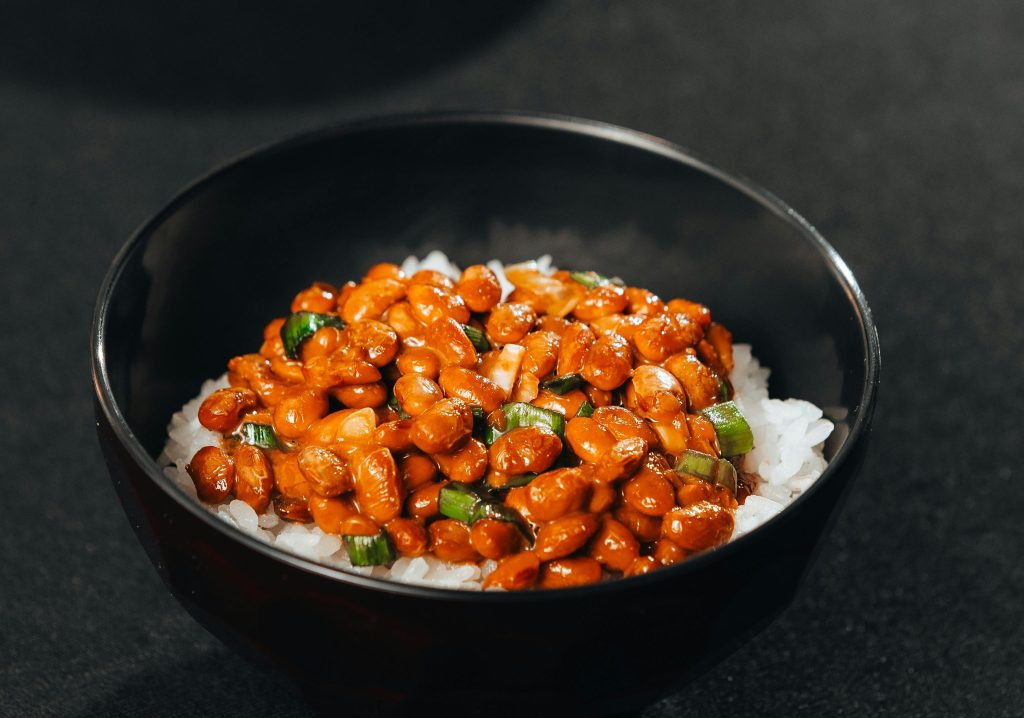
Lunch: Rice + mashed beans + steamed carrots
Snack: Apple slices (softened) + peanut butter
Dinner: Shredded chicken + mashed sweet potatoes + green beans
Tuesday
Breakfast: Oatmeal with peanut butter + diced apples
Snack: Boiled egg slices
Lunch: Avocado chicken sandwich (whole wheat) + cucumber sticks
Snack: Banana + milk smoothie
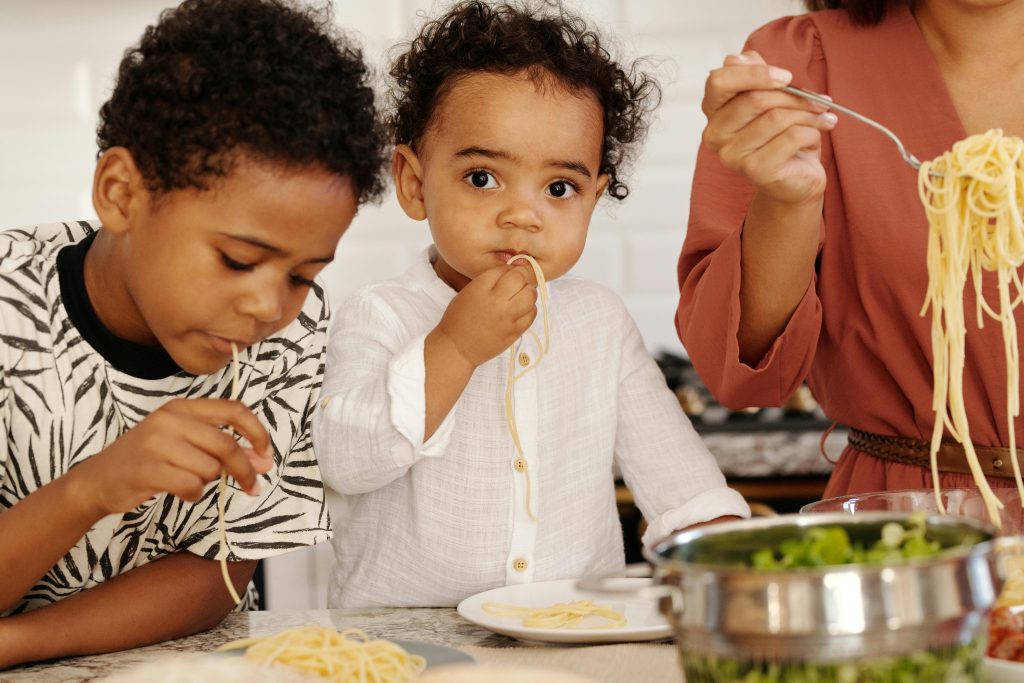
Dinner: Pasta + minced beef stew + spinach
Wednesday
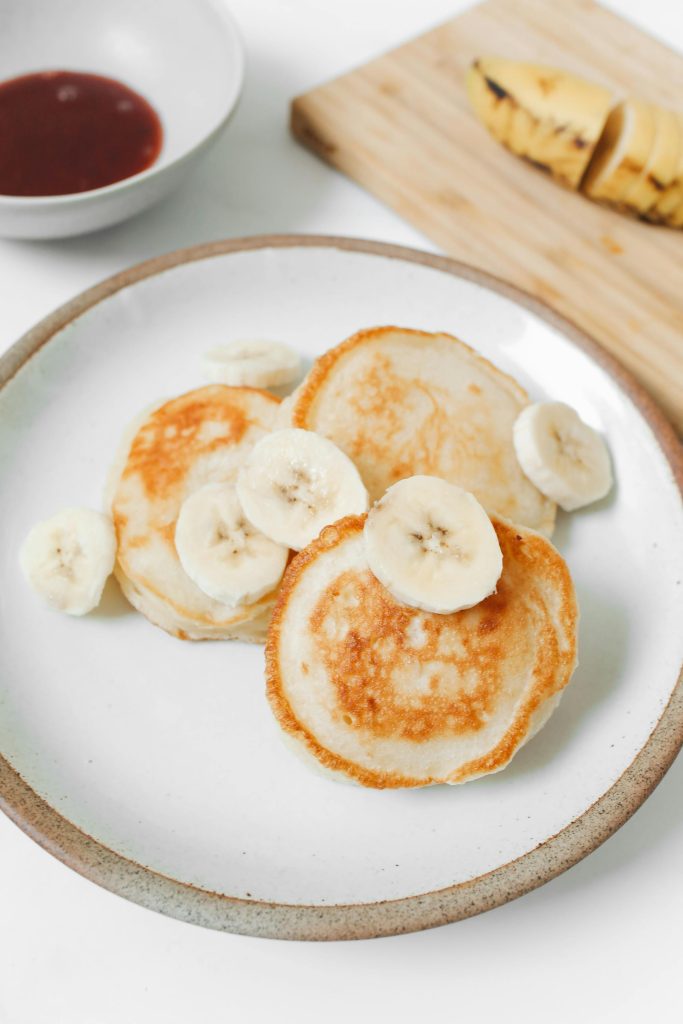
Breakfast: Banana pancakes (no sugar added) . Other nutritious pancake recipes
Snack: Yogurt
Lunch: Rice + lentils + pumpkin
Snack: mango cubes
Dinner: Baked fish flakes + mashed potatoes + peas
Thursday
Breakfast: Millet porridge + milk
Snack: Boiled sweet potato cubes
Lunch: Beans + rice + avocado
Snack: Orange slices (membrane removed)
Dinner: Chicken stew + soft corn bread + spinach
Friday
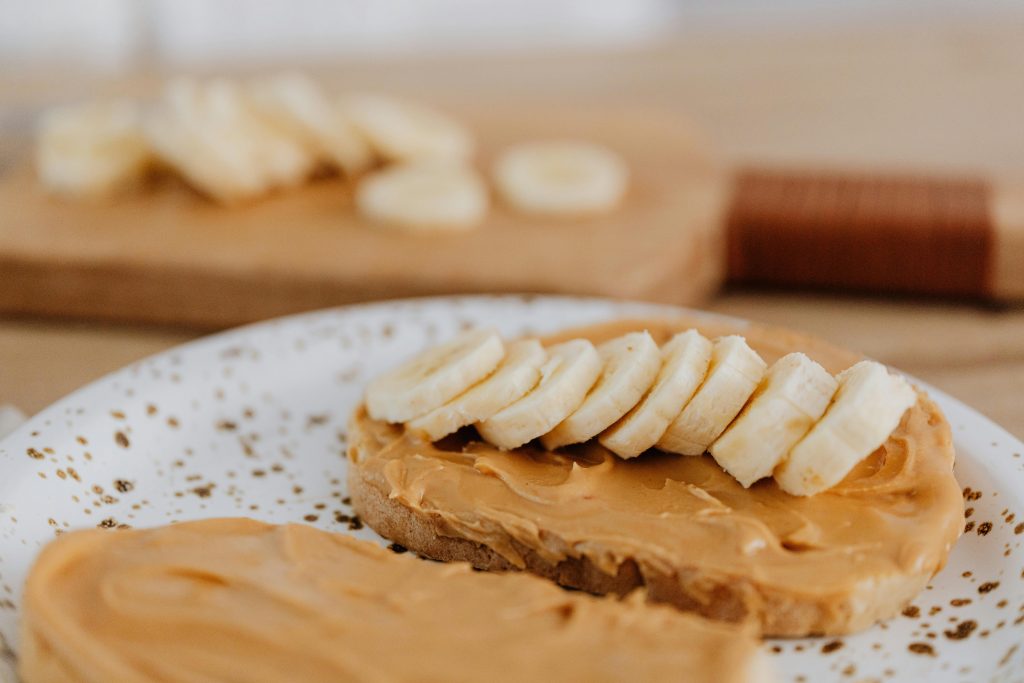
Breakfast: Whole wheat toast + peanut butter + milk
Snack: Mango yogurt smoothie
Lunch: Vegetable omelette + toast fingers
Snack: banana
Dinner: Beef stew + rice + mixed vegetables
Saturday
Breakfast: Rice porridge + mashed banana
Snack: Boiled corn (soft kernels)
Lunch: Chicken & vegetable pasta
Snack: Yogurt + chia seeds
Dinner: Scrambled eggs + avocado + toast
Sunday
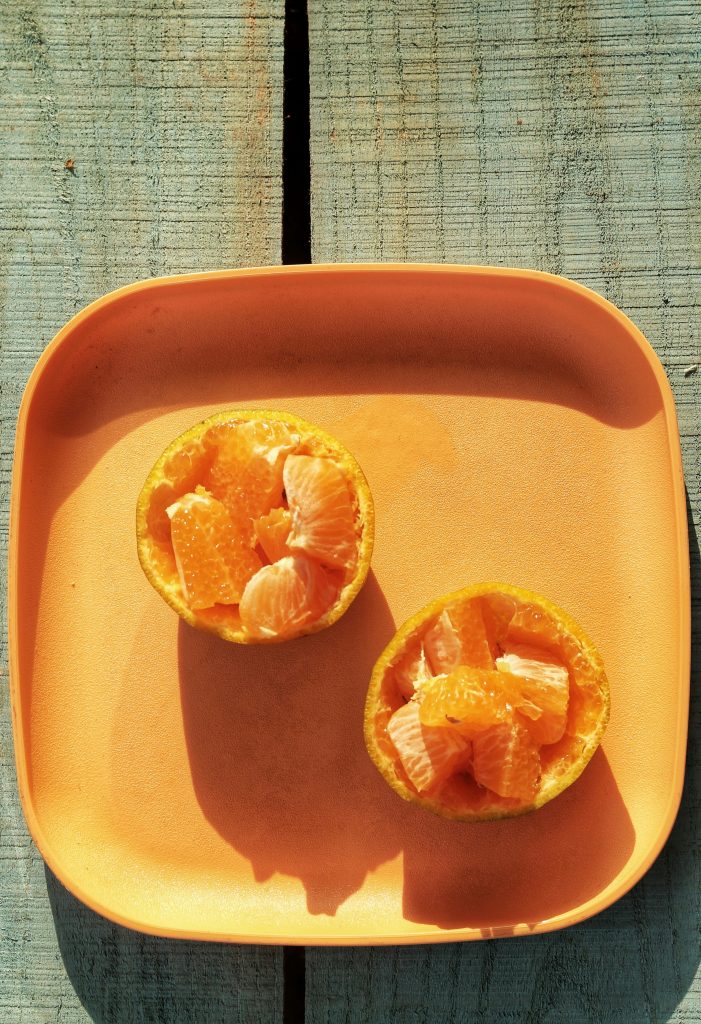
Breakfast: Whole wheat pancakes + peanut butter
Snack: Mixed fruit slices
Lunch: Beans + sweet potatoes + greens
Snack: Milk + oat biscuits
Dinner: Homemade mini pizza (vegetable topping + cheese)
Simple Toddler Grocery List
Proteins: Eggs, chicken, beef, fish, lentils, beans
Dairy: Milk, yogurt, cheese
Grains: Rice, oats, millet, whole wheat bread, pasta
Fruits: Bananas, apples, mangoes, pears, oranges
Vegetables: Carrots, spinach, pumpkin, peas, avocado, sweet potatoes
Frequently Asked Questions About Toddler Meal Planning
1.What are good iron-rich foods for toddlers?
Plant sources may include: beans, lentils, spinach and animals sources may include lean beef, fish , chicken and eggs. For proper absorption in the body, these foods should be served with vitamin c foods like, bell peppers and tomatoes.
2. How much should a 2-year-old eat daily?
A helpful guideline is to offer 3 balanced meals + 2–3 healthy snacks per day, and let your child decide how much to eat. A simple rule many pediatric experts use is: About 1 tablespoon of each food per year of age. So for a 2-year-old, that’s about 2 tablespoons per food item to start.
3. Can toddlers eat the same food as adults?
Yes — toddlers can eat the same food as the family in most cases. In fact, serving the same meals helps them learn healthy eating habits, feel included, and become less picky over time. Cook with less salt and spices and serve in small manageable sizes.
4. How many snacks should a toddler have per day?
Offering snacks every 2–3 hours helps maintain energy levels, supports growth, and prevents extreme hunger (which can lead to meltdowns). This is about 2-3 snacks offered during the day.
Final Encouragement for Tired Parents
Feeding toddlers is not about perfection — it’s about consistency. This simple weekly meal plan for toddlers (ages 1–3) is meant to reduce stress, not create pressure. Some meals will be rejected. Some days will feel chaotic. That’s normal toddler life.
What matters most is offering balanced foods regularly, staying calm at the table, and trusting that small, steady habits build healthy eaters over time.
You’re doing better than you think. 💛
Hi, I’m Leah, a mom behind Toddler Parent Kitchen. I share simple toddler-friendly recipes, picky eating tips, and realistic nutrition advice for busy parents.