Ensuring your child gets enough calcium is one of the most important steps in supporting strong bones, healthy teeth, and proper growth. During the early years, babies and toddlers experience rapid development, and their bodies need consistent nourishment from calcium-rich foods.
As a parent, this is something that can quietly worry you more than you expect. You find yourself wondering, “Is my toddler really getting enough calcium?” Especially on those days when they refuse milk completely or only take a few sips and push the cup away.
Maybe your child doesn’t like milk at all. Maybe you’ve had to pause dairy on a doctor’s advice due to allergies, intolerance, or digestive issues. And suddenly, it feels like you’ve lost the “main” source of calcium everyone talks about. There’s a strong belief that milk is the most important—and sometimes the only—reliable source of calcium. So it’s completely natural to feel concerned when your child isn’t drinking it. Many parents worry that without milk, their child might miss out on strong bones or proper growth.
But here’s the reassuring truth: milk is not the only source of calcium.
There are plenty of other nutritious, toddler-friendly foods that can provide the calcium your child needs—some of which you may already have in your kitchen. From leafy greens and seeds to fortified foods and simple homemade meals, calcium can come from a variety of sources.
In this article, we’ll explore both dairy and non-dairy calcium-rich foods for babies and toddlers, helping you feel more confident that your child can still get enough calcium—no matter their preferences or dietary needs.
Why Calcium Is Important for Babies and Toddlers
According to the World Health Organization, proper nutrition during infancy and early childhood is critical for healthy growth, strong bones, and overall development. The WHO highlights that adequate intake of essential nutrients—including calcium—is key in the first years of life, helping to support bone formation and reduce the risk of growth-related problems later on.
Calcium plays a vital role in your child’s growth, especially during the early years when their bones and body are developing rapidly. It’s not just about “strong bones”—calcium supports several important functions that help your toddler grow healthy and active.
It plays a key role in:
- Building strong bones and teeth
- Supporting muscle function
- Helping with nerve signaling
- Preventing future bone issues like weak bones
World Health Organization (WHO) also links poor intake of nutrients like calcium to conditions such as nutritional rickets, a disease that affects bone development in children when calcium (and vitamin D) levels are too low.
How to Know If Your Toddler Is Not Getting Enough Calcium
Many parents wonder how they can tell if their toddler is not getting enough calcium. It’s a valid concern, because low calcium intake over time can contribute to deficiency-related conditions which affects bone development in children. Calcium deficiency doesn’t always show clear signs right away, especially in the early stages.
However, there are a few things you can watch for:
1. Slow or poor growth
If your toddler isn’t growing as expected, it could be linked to nutritional gaps, including low calcium intake.
2. Delayed or weak teeth development
Teeth that appear late, seem weak, or develop issues easily may be a sign your child needs more calcium.
3. Frequent bone discomfort or weakness
Older toddlers may complain about leg pain or seem less active due to discomfort.
4. Muscle cramps or twitching
Calcium is important for muscle function, so low levels can sometimes show up as cramps or unusual muscle movements.
5. Irritability or fatigue
While these can be caused by many things, poor nutrition—including low calcium—can contribute.
If you’re ever unsure or notice ongoing signs, it’s always a good idea to check in with a pediatrician. They can guide you based on your child’s specific needs.
Daily Calcium Needs For Babies and Toddlers
If your child is eating a balanced, varied diet that includes calcium-rich foods there’s a strong chance they’re already getting the calcium they need for healthy growth. In most cases, children don’t need calcium supplements when they’re regularly eating a mix of nutrient-rich foods. The body absorbs calcium best from food sources, and supplements are usually only recommended if there’s a specific deficiency, dietary restriction, or medical advice from a healthcare professional.
Daily calcium needs for toddler:
- 6–12 months: ~260 mg/day
- 1–3 years: ~700 mg/day
Top 15 Calcium-Rich Foods for Babies and Toddlers
Here are easy, healthy options you can start including in your child’s meals:
Dairy- based Calcium Sources

Dairy foods are some of the most concentrated and easily absorbed sources of calcium for growing toddlers. If your child tolerates dairy, including a variety of these foods in their daily meals can make it much easier to meet their calcium needs.
| FOOD | CALCIUM CONTENT | SERVING SIZE | |
| 1. | Milk | 300 mg | 250 ml |
| 2. | Natural Yogurt | 300 mg | 250 ml |
| 3. | Cheese | 200mg | 20g slice |
Vegetable Sources of Calcium for Toddlers
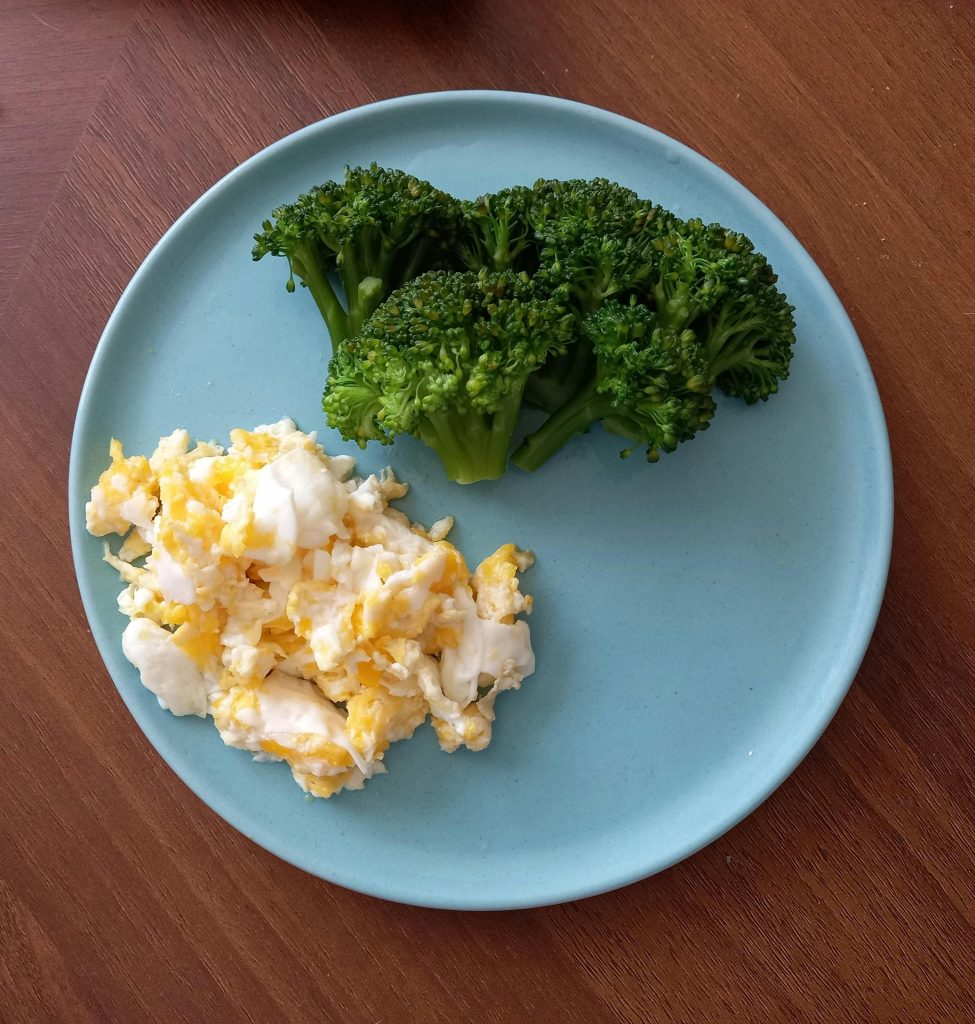
If your toddler doesn’t take much dairy—or you simply want to add more variety—vegetables can be a great way to boost calcium intake naturally. While plant sources may contain slightly less calcium per serving than dairy, they still contribute meaningfully when offered regularly as part of meals and snacks. For parents of picky eaters, explore our breakfast recipes with hidden veggies to learn simple ways to sneak vegetables into your child’s morning meals.
| FOOD | CALCIUM CONTENT | SERVING SIZE | |
| 1. | Amaranth Leaves cooked (Terere) | 300 mg | 250 ml |
| 2. | Broccoli (Steamed) | 60 mg | 250 ml |
| 3. | spinach/kale | 200mg | 250 ml |
| 4. | okra | 120 mg | 250 ml |
Grain Sources of Calcium for Toddlers
Grains aren’t usually the first foods that come to mind when thinking about calcium—but they can still make a helpful contribution, especially when served regularly and combined with other calcium-rich foods.For toddlers who eat a variety of grains daily, these small amounts can add up over time—try incorporating ideas from our simple porridge recipes and the apple millet porridge recipe to boost calcium in your child’s meals.
| FOOD | CALCIUM CONTENT | SERVING SIZE | |
| 1. | Amaranth grains | 160 mg | 100 ml |
| 2. | finger millet | 350 mg | 250 ml |
| 3. | oats | 100mg | 250 ml |
Nuts and Seeds as Calcium Sources for Toddlers
Nuts and seeds are small but powerful when it comes to nutrition. They provide healthy fats, protein, and a surprisingly good amount of calcium—making them a great addition to your toddler’s meals, especially if you’re limiting dairy. Always serve nuts in a toddler-safe form (finely ground, as nut butter, or well crushed) to prevent choking. You can read more in our guide on the benefits of adding nuts and seeds to toddler meals
Since toddlers eat small portions, looking at calcium per teaspoon (about 5 g) makes things more practical. Here’s a simple guide:
- Sesame seeds (simsim), 1 tsp: ~40–50 mg calcium
- Chia seeds, 1 tsp: ~25–30 mg calcium
- Almonds (ground), 1 tsp: ~12–15 mg calcium
Other Calcium-rich foods for Babies and Toddlers
- Fish like sardines
- Fruits like Oranges and blackberries
- Legumes like white beans(lima beans) and lentils
- Fortified Cereals and milk
How to Add More Calcium to Your Toddler’s Diet
- Mix yogurt into smoothies or oats
- Add cheese to vegetables and eggs
- Use tahini or nut butter spreads
- Offer calcium-rich snacks daily
👉 Small changes make a big difference over time
Final Thoughts
Including a variety of calcium-rich foods for babies and toddlers doesn’t have to be difficult. With simple ingredients like yogurt, leafy greens, seeds, and legumes, you can support your child’s strong bones and healthy growth every day.
Start small, stay consistent, and remember—healthy habits begin early and last a lifetime.
Hi, I’m Leah, a mom behind Toddler Parent Kitchen. I share simple toddler-friendly recipes, picky eating tips, and realistic nutrition advice for busy parents.