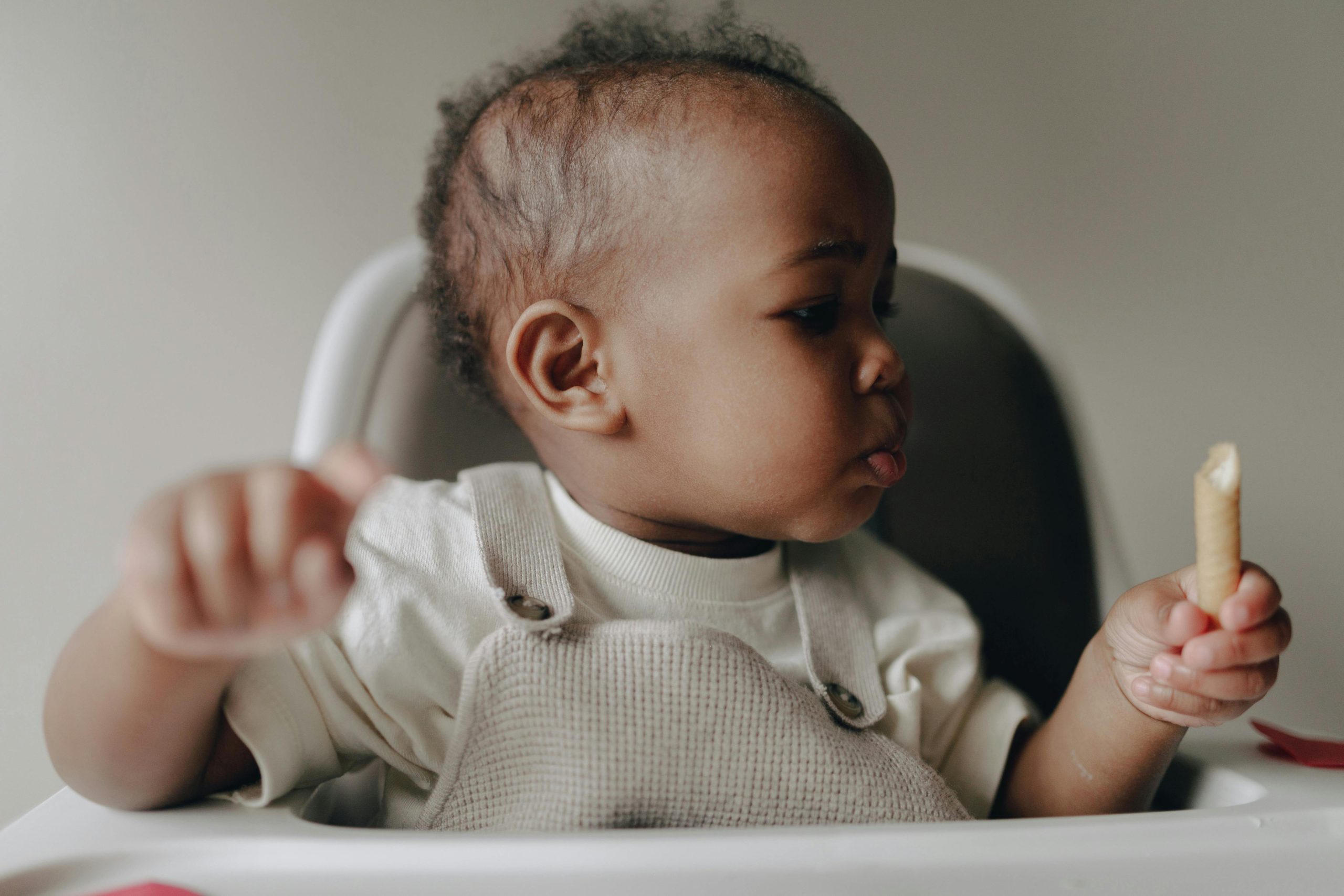
Mealtime with toddlers can already feel unpredictable, and when a toddler suddenly throws up while eating, it can be frightening for any parent. Many caregivers worry they did something wrong or that something serious is happening. The good news is that vomiting during meals is common in toddlers and is often linked to simple, manageable causes.
This is what i have learned along the way, on why it happens, what to do in the moment, and how to prevent it in the future, while also helping parents stay calm and confident.
Why Toddlers Sometimes Throw Up During Meals
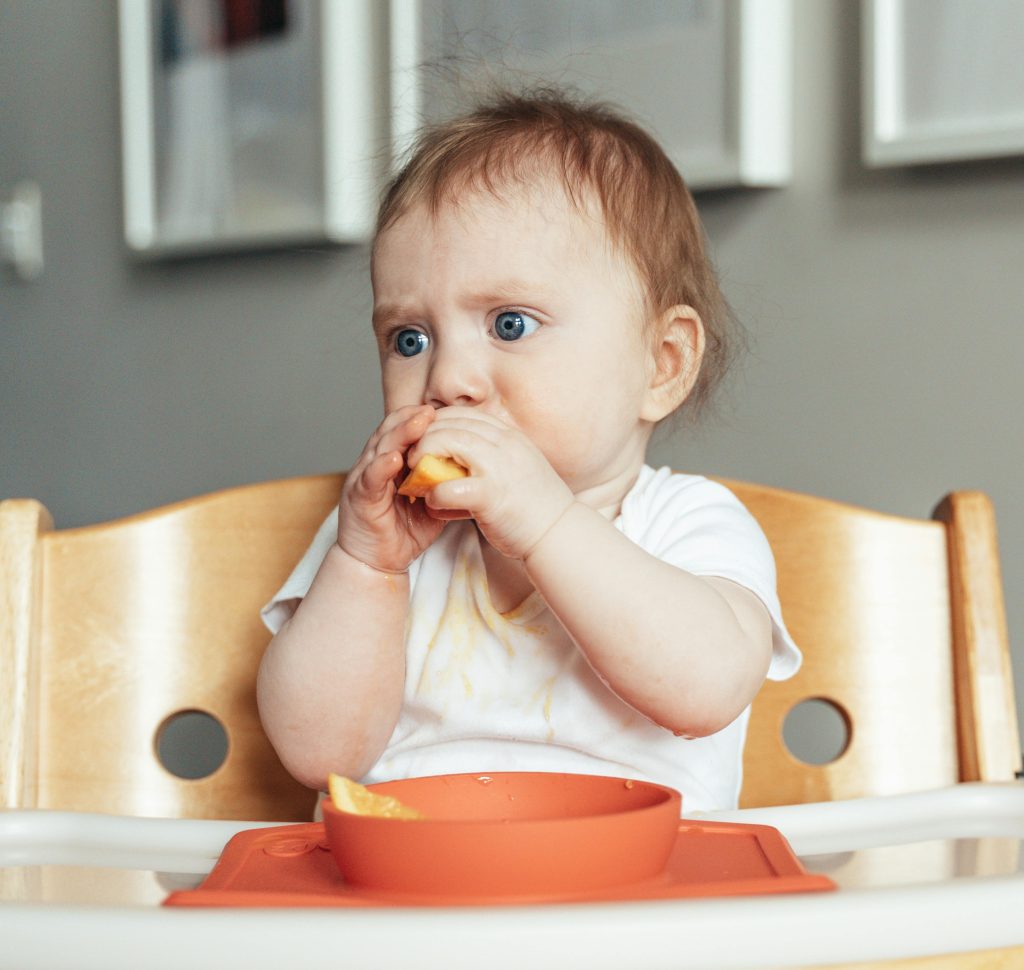
Anything from a simple cough to eating too fast can cause your child to throw up during mealtimes. In most cases, this happens occasionally and is a normal part of toddler development rather than a sign of illness.You may see several incidences of your toddler vomiting either before, during or after eating before the age of five years; because their digestive systems and gag reflexes are still developing.
Vomiting during mealtime is usually not a sign of illness. Common reasons include:
1. Strong Gag Reflex
The gag reflex is a natural safety mechanism that helps prevent choking. In toddlers, this reflex is more sensitive than in adults. When food touches the back of the tongue, feels too lumpy, or has an unfamiliar texture, the gag reflex can be triggered. The food may cause the throat muscles tighten suddenly and a strong reaction pushes food back up instead of down, causing the toddler to retch or vomit.Some toddlers gag easily, especially when food touches the back of the tongue or has an unfamiliar texture.The good news is that as toddlers grow and gain more eating experience, this reflex usually becomes less sensitive and vomiting during meals becomes less common.
2. Eating Too Fast
Hungry toddlers may eat quickly or stuff too much food into their mouths, which can trigger vomiting.Eating too fast can cause a toddler to throw up during meals because their developing swallowing skills get overwhelmed easily. When a toddler eats quickly, they may take large bites or gulp air along with food. This can stretch their small stomach suddenly and trigger a force that cause food to come back up. In some toddlers, rapid eating can also worsen mild reflux, allowing stomach contents to flow back up the throat.
3. Texture or Taste Sensitivity
Certain textures, smells, or flavors may cause a toddler to gag and vomit, even if the food is nutritious.This is because their senses are still developing and can be easily overwhelmed. Some toddlers are especially sensitive to certain food textures, such as lumpy, slimy, or mixed foods. Strong smells or unfamiliar tastes can also cause an immediate reaction. If a food smells too intense or tastes very different from what a toddler is used to, the body may respond by rejecting it as a protective response. This reaction is not intentional or behavioral—it’s sensory. “If your toddler struggles with textures, you may enjoy these simple porridge ideas for picky eaters.”Over time, with gentle exposure and age-appropriate textures, most toddlers become more comfortable and these reactions usually lessen.
4. Overeating
Small stomachs fill up fast. Eating beyond fullness can lead to discomfort and vomiting.Toddlers don’t always recognize fullness right away, especially if they are eating quickly or enjoying a favorite food. As a result, they may continue eating past their comfort level. Overeating can cause a toddler to throw up during meals because their stomach is very small and fills up quickly. When a toddler eats more than their stomach can comfortably hold, pressure builds up inside the stomach which can push food back up the esophagus, leading to gagging or vomiting during or shortly after the meal. You can explore more protein-rich snack ideas for toddlers to keep them full longer in between two small meals.
5. Mild Reflux or Tummy Upset
Occasional reflux or minor stomach irritation can cause vomiting during or shortly after meals.This can occur because the muscle that keeps food in the stomach is still developing. In most cases, mild reflux is temporary and not painful. Toddlers with mild reflux usually continue to grow well, stay active, and eat normally most of the time and outgrow it as they grow older.
What to Do Immediately When It Happens
Here are clear, calm steps to follow after a toddler throws up during meals, written in a parent-friendly, practical way:
1. Stop the meal immediately
Do not offer more food. Continuing to eat can irritate the stomach and trigger more vomiting.
2. Stay calm and reassure your toddler
Speak gently and offer comfort. A calm response helps your toddler relax and prevents anxiety around eating.
3. Clean up gently
Use warm water and a soft cloth to clean your toddler and change clothes if needed. Avoid strong reactions that may scare them.
4. Let the stomach rest
Wait about 20–30 minutes before offering anything. The stomach needs time to settle.
5. Offer small sips of fluid
Start with small sips of water or oral rehydration solution. Avoid juice, milk, or sugary drinks right away.
6. Reintroduce food only if they want it
If your toddler asks to eat later, offer bland, gentle foods such as plain toast, crackers, rice, or banana.
7. Keep your toddler upright
Have them sit or rest upright for at least 30 minutes after vomiting to reduce discomfort and reflux.
8. Watch for patterns or triggers
Notice if vomiting happens with certain foods, textures, or when eating too fast. This helps prevent future episodes.
9. Skip the meal if needed
Missing one meal is okay. Your toddler’s comfort and recovery are more important than finishing food.
10. Know when to seek help
Contact a healthcare provider if vomiting is frequent, your toddler seems very unwell, or shows signs of dehydration.
How to Reduce Future Mealtime Vomiting
Vomiting during meals is stressful for both parent and toddler. Here are practical, gentle ways to reduce future mealtime vomiting, especially helpful for toddlers with gagging, fast eating, or sensitive tummies:
- Offer small bites and remind your toddler to chew well.
- Cut food into small, manageable pieces and avoid hard or chewy foods.
- Serve smaller portions and allow seconds if your toddler is still hungry.
- Reduce distractions like screens or loud noises to help your toddler focus on eating.
- Take note of foods, textures, or situations that trigger vomiting and adjust accordingly.
When to Seek Medical Advice
Occasional vomiting during meals is normal. However, there are other causes of vomiting which may include the following conditions: urinary tract infections,gastroenteritis/ stomach bug(caused by virus or bacteria), food poisoning or allergy or other conditions. Consult a doctor if:
- Vomiting happens frequently
- Vomiting is accompanied by other symptoms like diarrhea, fever, abdominal pains
- Your toddler shows signs of dehydration
- Vomit contains blood or unusual colors
- Your child appears unusually tired or unwell
A Gentle Reminder for Parents
Mealtime vomiting can be upsetting, but it does not mean you are doing something wrong. Toddlers are still learning how to eat, listen to their bodies, and manage new foods. With patience, observation, and calm responses, most children outgrow this phase naturally.
Every meal is a learning experience—for both parent and child.
Hi, I’m Leah, a mom behind Toddler Parent Kitchen. I share simple toddler-friendly recipes, picky eating tips, and realistic nutrition advice for busy parents.