Healthy fats are an important part of a balanced toddler diet, especially during the early years when children are growing and developing so quickly. Toddlers need plenty of energy from their meals to support their active little bodies, while also getting essential nutrients need for growth from a variety of foods. Including healthy fat sources can also make meals more nourishing while adding flavor and texture that toddlers enjoy.
As a parent, you may already be familiar with cod liver oil supplements and other products marketed to help fill nutritional gaps in children’s diets. But I’ve found that it is just as important to look at the foods we serve our toddlers and include healthy fats as part of their everyday meals. Adding foods that provide healthy fats can be simple and delicious ways to add fats to a toddler’s diet. Supplements can have a place when a child is not getting enough of a particular nutrient, but food is a great place to start.
In this guide, discover some of the best healthy fat sources for toddlers, their nutritional benefits, and simple meal ideas you can try at home.
Why Are Healthy Fats Important for Toddlers?
Healthy fats are important to growing children because they:
- Support a balanced diet: WHO recommends choosing healthier unsaturated fats, such as those found in fish, avocado, nuts and seeds, and vegetable oils, rather than relying heavily on saturated and industrial trans fats.
- Provide concentrated energy: Fats are energy-dense, which can help young children meet their high energy needs in relatively small portions of food.
- Support growth and development: Essential fatty acids are particularly important during the early years when children are growing rapidly. WHO materials note their importance for the developing brain and eyes.
- Help absorb vitamins: Dietary fat helps the body absorb fat-soluble vitamins, including vitamins A and D.
- Provide essential fatty acids: Some healthy fat sources provide fatty acids that the body needs but cannot produce sufficiently on its own.
- Make meals more energy-dense and enjoyable: Adding an appropriate amount of fat can increase the energy density of a child’s food and improve its taste and texture.
How Much Fat Does a Toddler Need?
Toddlers need dietary fat as part of a balanced diet, but their needs can vary depending on their age, growth, activity level, and the foods they eat throughout the day. Instead of worrying about counting every gram of fat, I find it more helpful to focus on offering a variety of nutrient-dense foods at regular meals and snacks.
A simple way to build a well-balanced toddler meal is to combine protein + healthy fat + carbohydrate + fruit or vegetables. For example, you might serve eggs with avocado and whole-grain toast, chicken with rice and vegetables, or yogurt with oats and fruit. This variety helps ensure that your toddler gets different nutrients from different food groups while keeping meals satisfying and enjoyable.
A balanced diet also plays an important role in supporting your toddler’s overall health. For more ideas on nourishing foods, you can read Simple Foods That Help Boost Your Toddler’s Immunity Naturally During Cold Season, which explores how different nutritious foods can contribute to a child’s everyday diet. You may also find Bone Health and Nutrition Tips for Kids (A Parents Guide) helpful for understanding how a varied, balanced diet supports healthy growth and developing bones.
8 Healthy Fats Sources for Toddlers
When feeding a toddler, it is easy to focus on fruits, vegetables, and protein while overlooking one important part of their meals—healthy fats. But healthy fats can be a simple way to make everyday toddler foods more nourishing, satisfying, and energy-rich. The best part is that you do not need complicated recipes or special foods to include them.
Here are a few sources of healthy fats:
1. Avocado
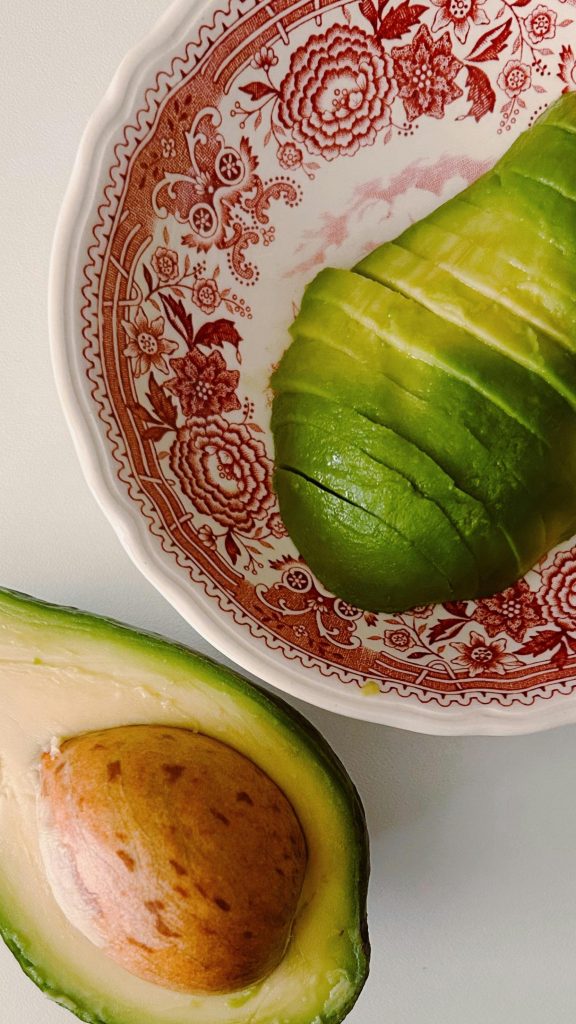
Avocado is one of the easiest healthy fat foods for toddlers to include in everyday meals. It is naturally rich in monounsaturated fats, which are a type of unsaturated fat that can be part of a balanced diet. Avocado also provides fiber, along with vitamins and minerals such as folate, vitamin E, vitamin K, and potassium. Its soft, creamy texture makes it especially convenient for toddlers because it can be mashed, sliced, or mixed into other foods without much preparation. You can serve avocado as a simple snack, spread it on toast for breakfast, add it to a chicken or egg meal at lunch, or serve it alongside rice, beans, or other family meals at dinner.
Easy ways to serve avocado:
- Mash it onto toast.
- Add it to scrambled eggs.
- Mix it into a yogurt dip.
- Add mashed avocado to oatmeal.
- Serve soft avocado pieces as a snack.
2. Nuts and Nut Butters
Nuts and nut butters are another nutritious way to add healthy fats to a toddler’s diet. Peanuts, almonds, cashews, walnuts, and other nuts provide mostly unsaturated fats, along with protein, fiber, and other nutrients. For toddlers, nut butters are often easier to serve because they can be spread thinly on toast, stirred into foods.
Whole or chopped nuts should not be given to young toddlers because of the risk of choking. Instead, choose smooth nut butter and spread it thinly or mix it into soft foods. If using nut pieces, make sure they are prepared in a texture and size appropriate for your child.
It is also important to watch for nut allergies, especially when introducing a nut or nut butter for the first time. Introduce new foods in small amounts and pay attention to any unusual symptoms. If you are concerned about an allergic reaction, seek appropriate medical advice.
If you would like to make your own, you can also try our Homemade Peanut Butter for a simple way to include peanuts in toddler-friendly meals.
Foods that goes well with nut butter:
- Oatmeal
- Banana slices
- Whole-grain toast
- Yogurt
- Smoothies
Important: Whole nuts and large spoonfuls of sticky nut butter can be choking hazards for young children. Use age-appropriate preparations and follow your child’s feeding guidance.
3. Whole Eggs
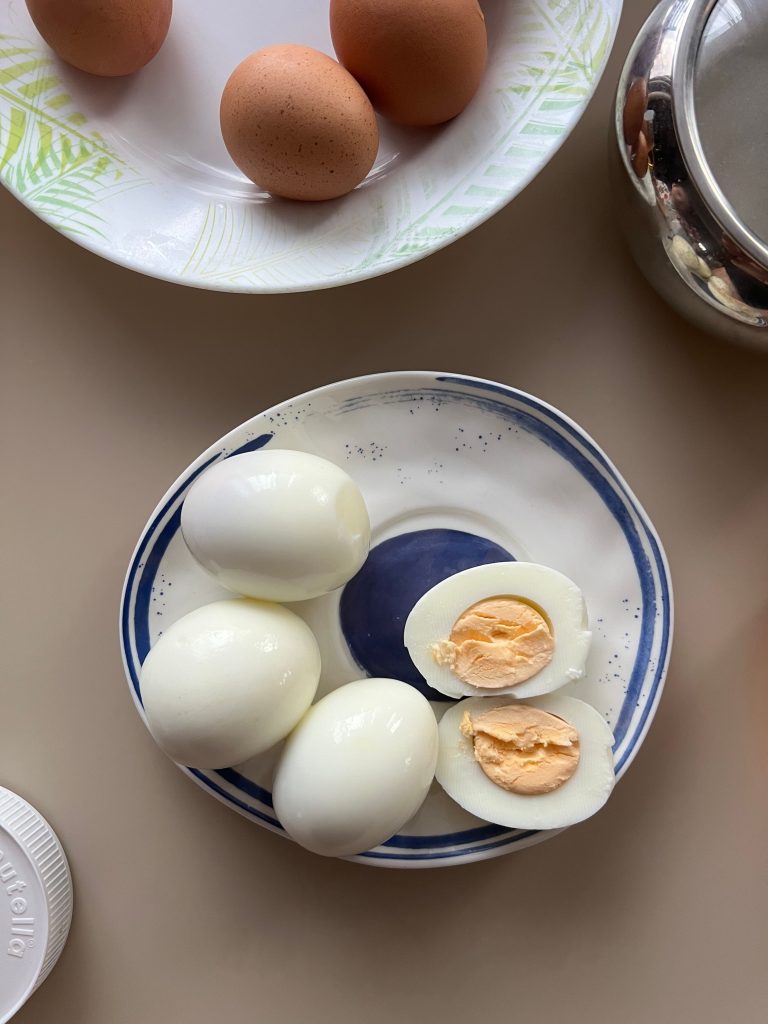
Whole eggs are a convenient and nutritious source of healthy fats for toddlers. The yolk contains most of the egg’s fat, along with important nutrients such as vitamin D, choline, vitamin A, and several B vitamins. The egg also provides high-quality protein, making it an easy way to add more nutrition to a toddler’s meal.
One reason toddlers often love eggs is their soft texture, mild flavour, and versatility. They can all be prepared in toddler-friendly ways, making it easy to find a version your little one enjoys. Eggs can be served at breakfast with toast and avocado, added to lunch with vegetables and rice, or included in a quick dinner when you need something simple. Serve eggs fully cooked and in a texture your toddler can manage.
Toddler eggs meal ideas:
- Scrambled eggs with avocado
- Egg and vegetable omelet
- Toddler-Friendly Egg Curry Recipe | Mild & Easy (12+ Months)
- Egg sandwich
- Boiled egg with mashed sweet potato
For more delicious ideas, try our 8 Toddler-Approved Breakfast Recipes with Eggs (Healthy & Easy) for easy ways to make eggs a regular part of your toddler’s meals.
4. Full-Fat Plain Yogurt
Full-fat plain yogurt is a simple and nutritious source of dietary fat for toddlers. It also provides protein, calcium, and other nutrients that support a varied and balanced diet. Choosing plain, unsweetened yogurt is a good option because you can add natural sweetness and flavours that your toddler already enjoys.
For a naturally sweet option, mix it with mashed banana, berries, or finely grated fruit. You can also use yogurt as a base for:
- Fruit smoothies
- Toddler dips
- Overnight oats
- Oat pancakes
- Creamy sauces
5. Oily Fish
Fish such as salmon, sardines, and trout contain unsaturated fats and are particularly useful sources of omega-3 fatty acids, making oily fish a nutritious addition to a toddler’s diet. Omega-3 fats are especially valuable during the early years because they support normal brain and eye development. Oily fish also provides high-quality protein, vitamin D, vitamin B12, and other important nutrients, making it a nutrient-dense choice for growing toddlers. Serve fish thoroughly cooked and carefully check for bones before giving it to your child.
Easy toddler meal ideas with fish
- Flaked salmon with mashed potatoes
- Sardines mixed into tomato sauce and pasta
- Salmon and vegetable patties
- Flaked fish with rice and vegetables
6. Seeds
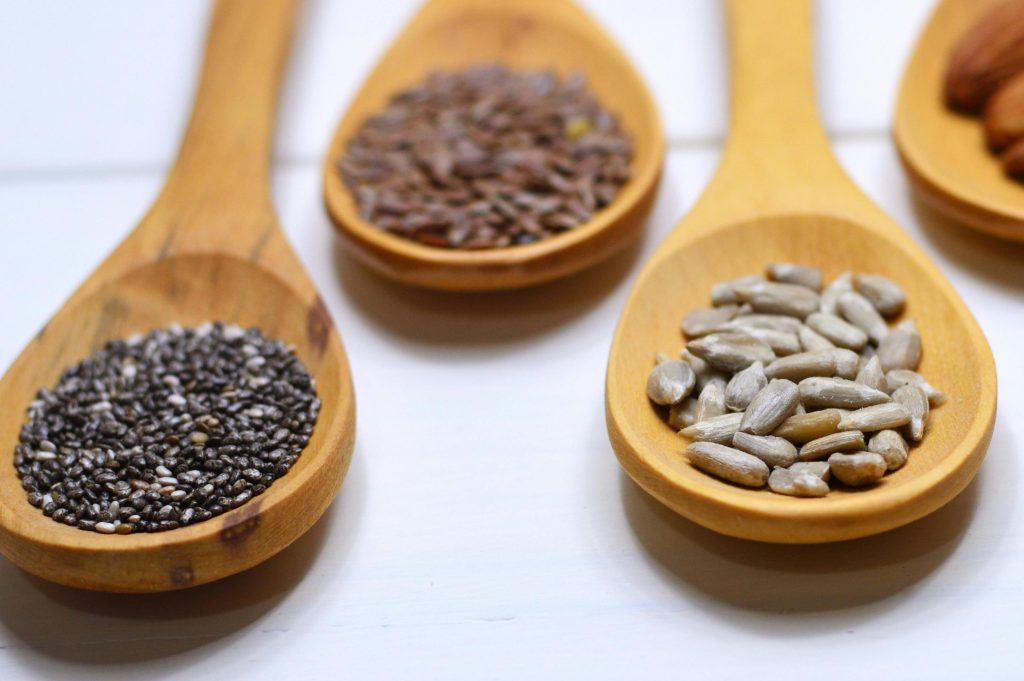
Seeds are another easy way to add healthy fats to a toddler’s meals. Some good choices include chia seeds, ground flaxseeds, hemp seeds, pumpkin seeds, and sunflower seeds. They provide mostly unsaturated fats, and chia and flaxseeds are particularly good plant sources of omega-3 fatty acids. Seeds can also add fiber, protein, and minerals to everyday toddler foods.
For toddlers, the way seeds are served is important. Instead of offering whole, hard seeds, which can be difficult for young children to chew, use them ground, finely crushed, or in a smooth seed butter. Ground flaxseed or chia seeds can be mixed into porridge, yogurt, smoothies, pancakes, or homemade muffins. Pumpkin and sunflower seeds can be finely ground and added to soft foods, while tahini or sunflower-seed butter can be spread thinly on toast or stirred into oatmeal.
If you want more ideas for making seeds and nuts part of your toddler’s meals, take a look at Nutritious Toddler Meals: Benefits of Adding Seeds and Nuts for Healthy Growth.
7. Cheese
Cheese can be a convenient way to add fat and protein to a toddler’s diet, while also providing nutrients such as calcium and vitamin B12. For toddlers, it is best to choose pasteurized, full-fat cheeses with lower amounts of added salt. Some good options include mozzarella, cottage cheese, ricotta, and mild cheddar.
There are many easy ways to include cheese in toddler meals. You can grate mild cheddar or mozzarella over pasta, rice, scrambled eggs, or cooked vegetables, mix cottage cheese or ricotta into mashed potatoes or pasta, or offer small pieces of soft cheese as a snack alongside fruit. Cheese can also make familiar foods more appealing—try adding a little grated cheese to omelets, homemade muffins, or toast.
8. Olive Oil
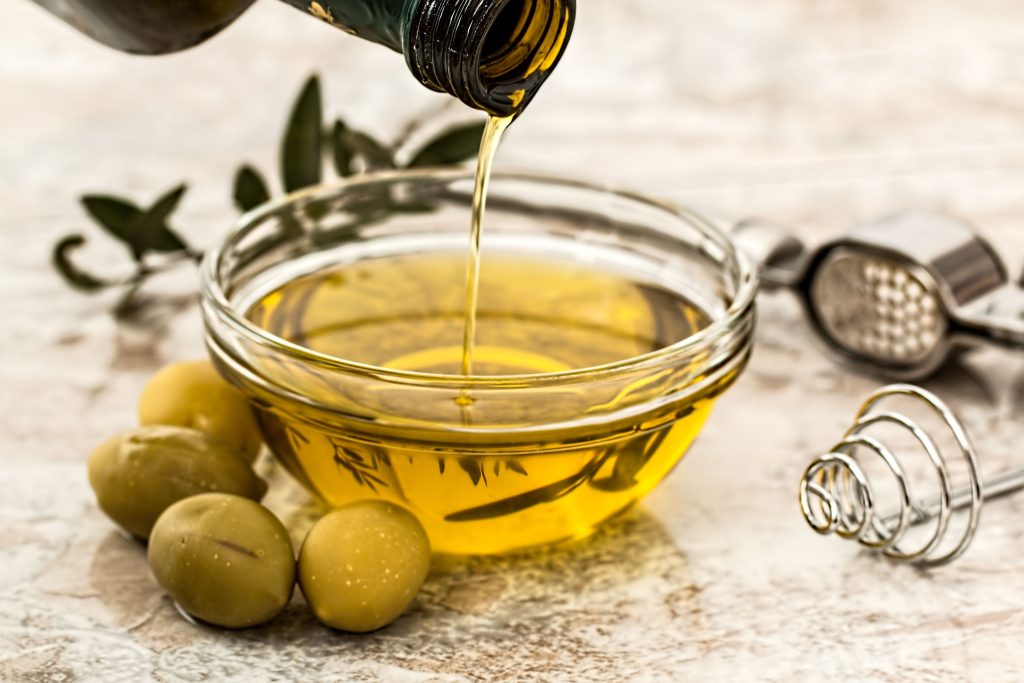
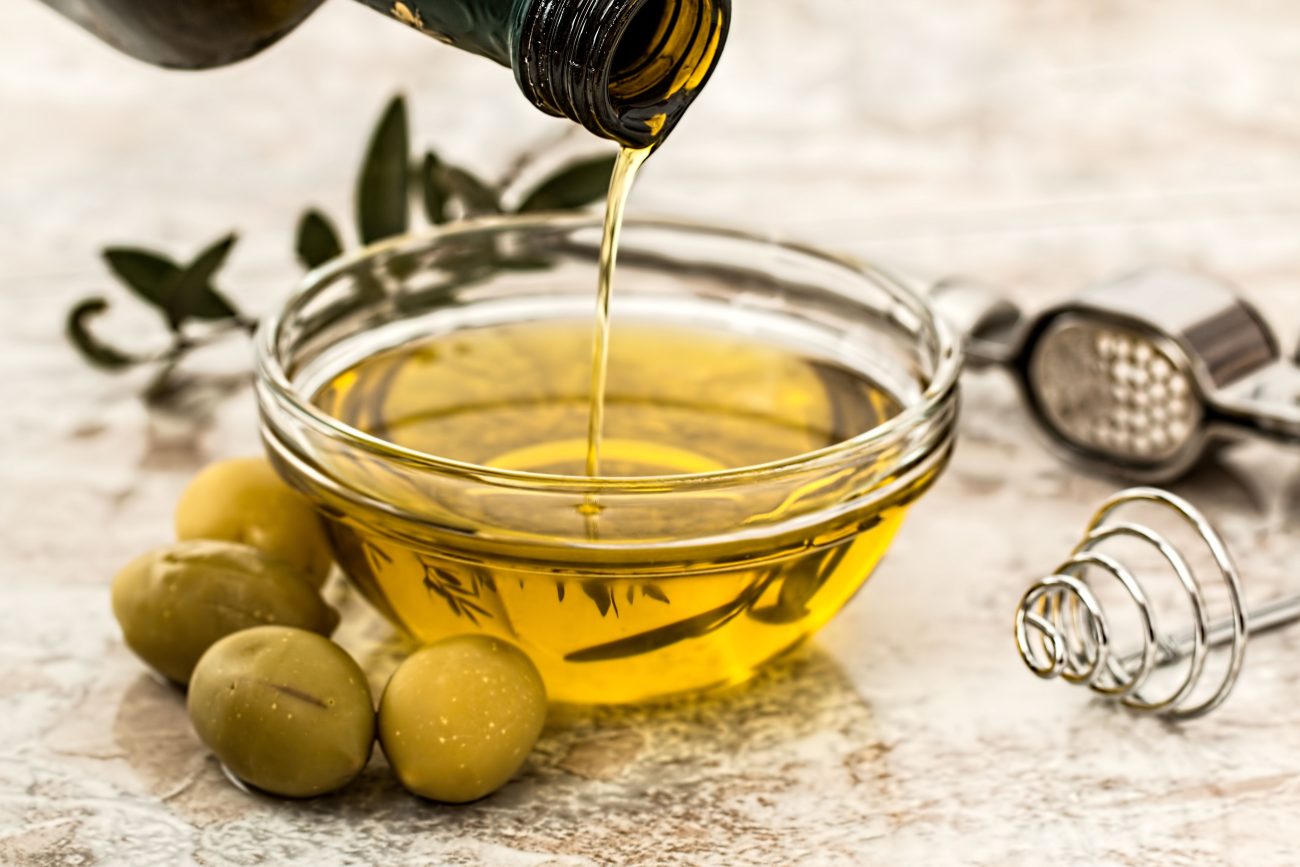
Olive oil is a plant-based source of healthy unsaturated fats and can be an easy addition to a toddler’s everyday meals. It contains mostly monounsaturated fat and can help make meals more energy-dense while adding a mild flavour that works well with many foods. For toddlers, extra-virgin olive oil is a good choice when you want an oil that is minimally processed and rich in naturally occurring plant compounds.
Olive oil does not have to be served on its own. It is very easy to include in your toddler’s meals by using it in cooking or adding a small amount after cooking. You can drizzle a little over cooked vegetables, pasta, potatoes, beans, or grains after cooking. It can also be mixed into mashed avocado or used as part of a simple homemade salad dressing for older toddlers. If you are choosing olive oil for your family, look for extra-virgin olive oil (EVOO).
Healthy Fat Meal Ideas for Toddlers
- Banana Peanut Butter Oatmeal
Cook oats until soft and stir in mashed banana and a small amount of smooth peanut butter. - Avocado Toast
Mash ripe avocado onto soft whole-grain toast and cut it into toddler-friendly pieces. - Creamy Egg and Avocado Rice
Serve chopped fully cooked egg with soft rice, vegetables, and mashed avocado. - Full-Fat Yogurt and Banana
Combine plain full-fat yogurt with mashed banana and finely ground flaxseed. - Salmon, Sweet Potato and Vegetables
Serve thoroughly cooked, flaked salmon with mashed sweet potato and soft-cooked vegetables.
Tips for Choosing Healthy Fats for Toddlers
- Choose mostly unsaturated fat sources such as avocado, olive oil, fish, nuts, and seeds.
- Choose plain or minimally sweetened yogurt when possible.
- Look for nut and seed butters without added sugar when practical.
- Offer a variety of fat sources rather than relying on one food.
- Introduce foods in textures and sizes appropriate for your toddler’s developmental stage.
- Avoid whole nuts and other choking hazards.
- Check fish choices for mercury guidance.
- Remember that healthy fats are part of an overall balanced diet.
Healthy Fats for Toddlers: A Simple Approach
Including healthy fats in your toddler’s diet doesn’t have to be complicated. Foods such as avocado, eggs, yogurt, nut butters, olive oil, seeds, and oily fish can easily be incorporated into familiar breakfasts, snacks, lunches, and dinners.
The key is variety. Combine healthy fat sources with protein, whole grains or other carbohydrates, fruits, and vegetables to create balanced meals that support your toddler’s growth and development.
Hi, I’m Leah, a mom behind Toddler Parent Kitchen. I share simple toddler-friendly recipes, picky eating tips, and realistic nutrition advice for busy parents.