Watching your toddler grow, learn, run, and explore is one of the joys of parenting. During these early years, providing nutritious meals helps support their development, including the growth of strong bones and healthy teeth.
Calcium is an important nutrient for toddlers, but getting them to eat enough calcium-rich foods can sometimes be difficult. Some children refuse milk, turn away from yogurt, or insist on eating only their favourite foods. When your toddler rejects these familiar sources of calcium, it is easy to feel unsure about what to offer next. Learning about different calcium-rich foods can help you find new meal ideas and discover simple ways to add more calcium to your toddler’s plate.
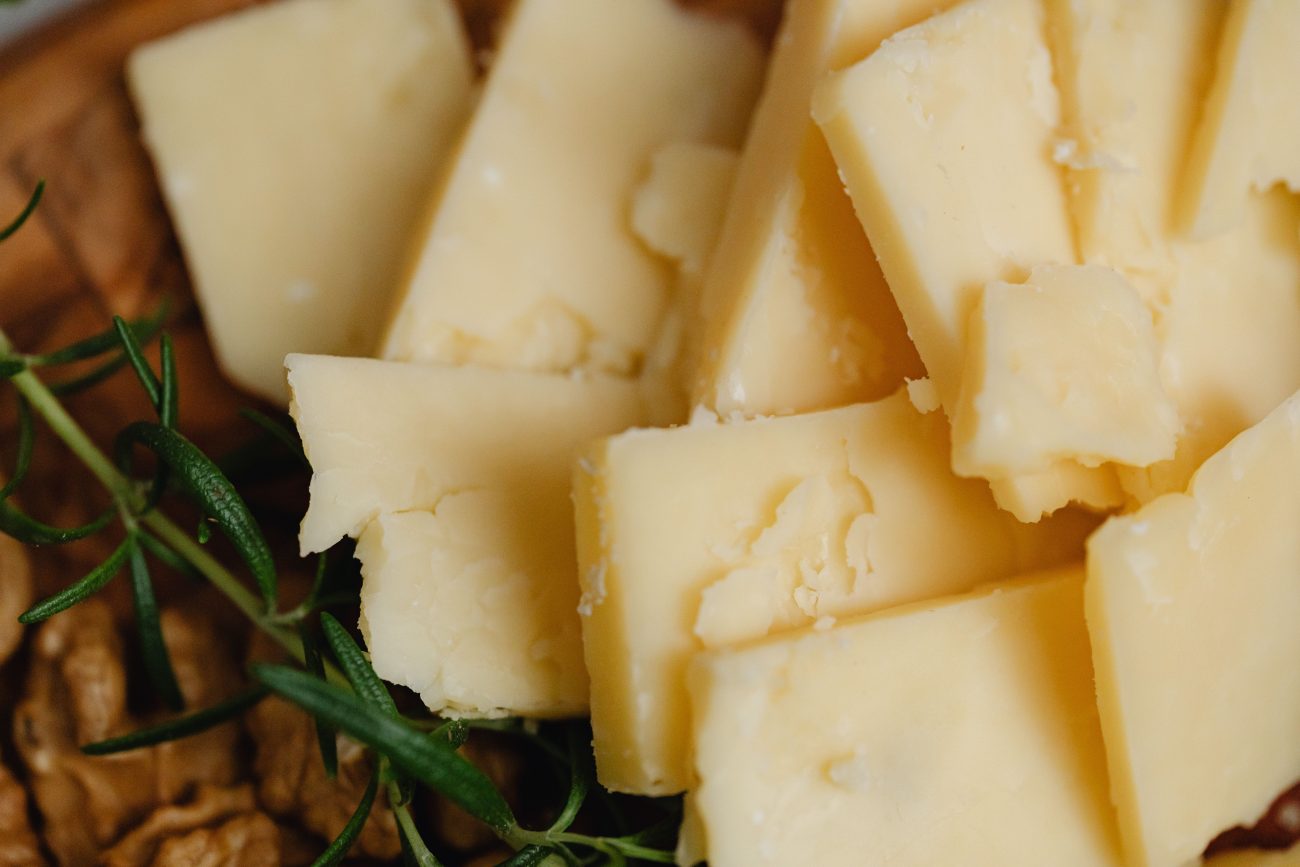
Fortunately, preparing calcium-rich meals does not have to be complicated. Everyday foods such as milk, plain yogurt, cheese, leafy green vegetables, beans, and small fish with edible bones can help provide calcium. By combining these ingredients in different ways, you can create enjoyable, varied meals that support your toddler’s nutritional needs and encourage healthy eating habits.
In this guide, you will discover 10 calcium-rich toddler meal ideas for healthy growth, practical ways to include calcium in everyday meals, and tips for helping picky eaters enjoy different foods.
Why Is Calcium Important for Toddlers?
During toddlerhood, children are growing rapidly and need a varied diet that provides calcium alongside other essential nutrients. When a toddler’s diet consistently lacks essential nutrients, nutritional deficiencies can develop and may affect bone health, growth, and overall development. Providing a variety of nutritious foods helps meet your toddler’s nutritional needs and reduces the risk of deficiencies that may interfere with healthy growth.
Here is why calcium matters:
- Healthy bones: Calcium helps build and maintain strong bones as your toddler grows.
- Healthy teeth: It supports the development and maintenance of teeth.
- Muscle function: Calcium is needed for normal muscle contraction.
- Normal body functions: It plays a role in nerve signalling and other processes that keep the body functioning properly.
Vitamin D is also important because it helps the body absorb calcium. Pediatricians explain that children need an appropriate combination of calcium-rich foods, vitamin D, and other nutrients for healthy development. https://www.healthychildren.org/English/healthy-living/nutrition/Pages/calcium-the-bone-builder-kids-and-teens-need.aspx
10 Calcium-Rich Toddler Meal Ideas for Healthy Growth
Now that we have explored different sources of calcium, you may have a better idea of which foods to include in your toddler’s diet. For more options, read my guide to Top 15 Calcium-Rich Foods for Babies and Toddlers for Strong Bones and Growth. Next, let’s look at simple, calcium-rich toddler meal ideas that you can easily adapt to your little one’s food preferences and the everyday meals your family already enjoys.
Calcium-rich breakfast meal ideas for toddlers
Breakfast is a great opportunity to include calcium in your toddler’s daily diet. By using familiar ingredients such as milk, plain yogurt, cheese, and calcium-fortified foods, you can prepare simple, nutritious breakfasts that support healthy bones and teeth.
Here are some easy calcium-rich breakfast ideas you can adapt to your toddler’s preferences.
1. Creamy Milk Porridge
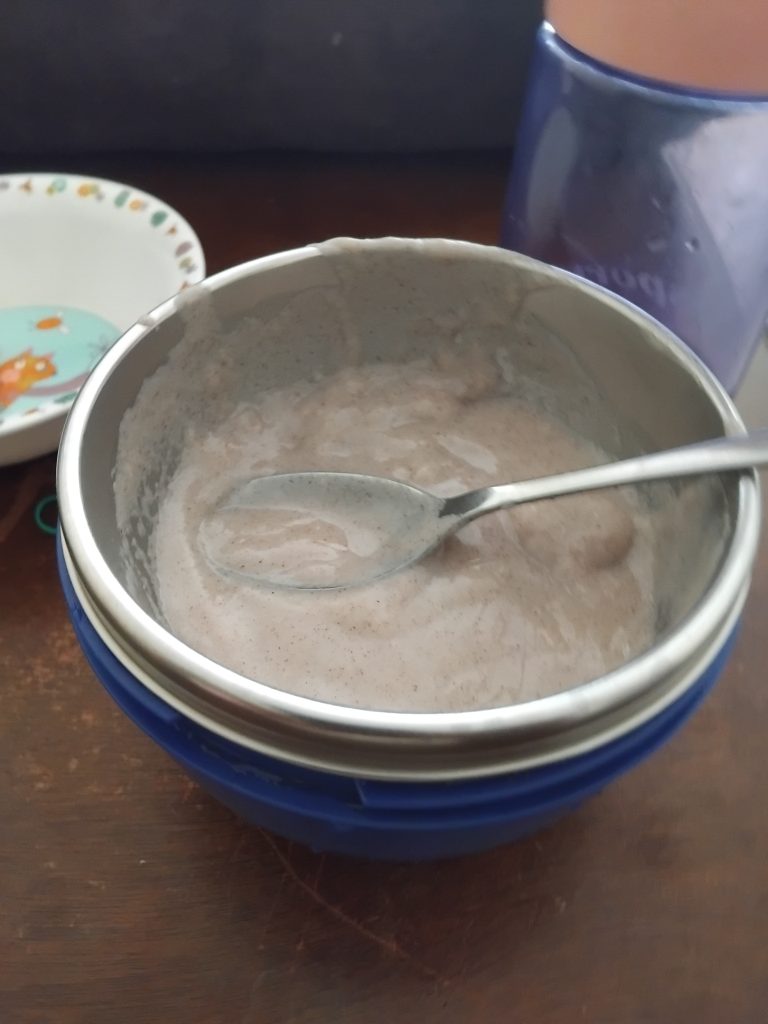
Prepare porridge using oats, millet, or another cereal your toddler enjoys, and cook it with milk to add calcium and protein. You can mix in mashed banana or soft, cooked apples for natural sweetness and extra nutrients, creating a warm and nourishing breakfast for your little one.
If your toddler enjoys oats, try my Well-Balanced Toddler Oats Porridge Recipe: Healthy, Creamy and Easy for a simple breakfast idea you can adapt to your child’s taste.
Parent tip: If your toddler prefers thinner porridge, adjust the consistency with milk. Allow it to cool to a comfortable temperature before serving.
2. Plain Yogurt with Fruit
Plain yogurt is a convenient source of calcium and protein for toddlers. Serve it with mashed banana, soft ripe mango, or mashed berries to create a creamy, nutritious breakfast. If your toddler prefers drinks, you can also blend plain yogurt with a ripe fruit to make a smooth, refreshing smoothie without needing to add sugar.
Another easy option is to stir plain yogurt into cooled, soft-cooked oats for a more filling breakfast. These simple combinations offer different ways to include calcium in your toddler’s diet while adapting meals to their preferences.
Parent tip: Choose plain, unsweetened yogurt when possible, and check the label because calcium content varies between products.
3. Cheese and Egg Toast
Offer well-cooked scrambled eggs with a little grated cheese and soft whole-wheat bread. Cheese adds calcium, while eggs provide protein and other important nutrients.

Cut the toast into small, manageable pieces that are easy for your toddler to pick up and chew. Make sure the egg is fully cooked, with no runny parts, and allow the food to cool to a comfortable temperature before serving. Choose soft bread and avoid adding too much salt. Always supervise your toddler while eating and ensure they are seated upright to reduce the risk of choking.
4. Calcium-Rich Pancakes
Prepare soft, homemade pancakes using milk, eggs, and oats or whole wheat flour for a nutritious toddler breakfast. You can add mashed banana for natural sweetness or mashed pumpkin for extra flavour and variety.
Another creative option is spinach pancakes, which offer a simple way to include leafy green vegetables in your toddler’s meals. Spinach is a good source of calcium.
To make spinach pancakes, blend a small handful of steamed spinach with milk until smooth. In a bowl, combine the spinach mixture with an egg and flour, then mix until you have a smooth batter. Cook small portions in a lightly greased non-stick pan over medium-low heat until the pancakes are cooked through on both sides. Allow them to cool slightly before cutting them into manageable pieces.
Serve the pancakes with plain yogurt on the side for additional calcium and protein. For more ways to include vegetables in your toddler’s breakfast, explore my guide to 4 Breakfast Recipes with Hidden Veggies (Toddler-Friendly).
5. Flavored whole Milk
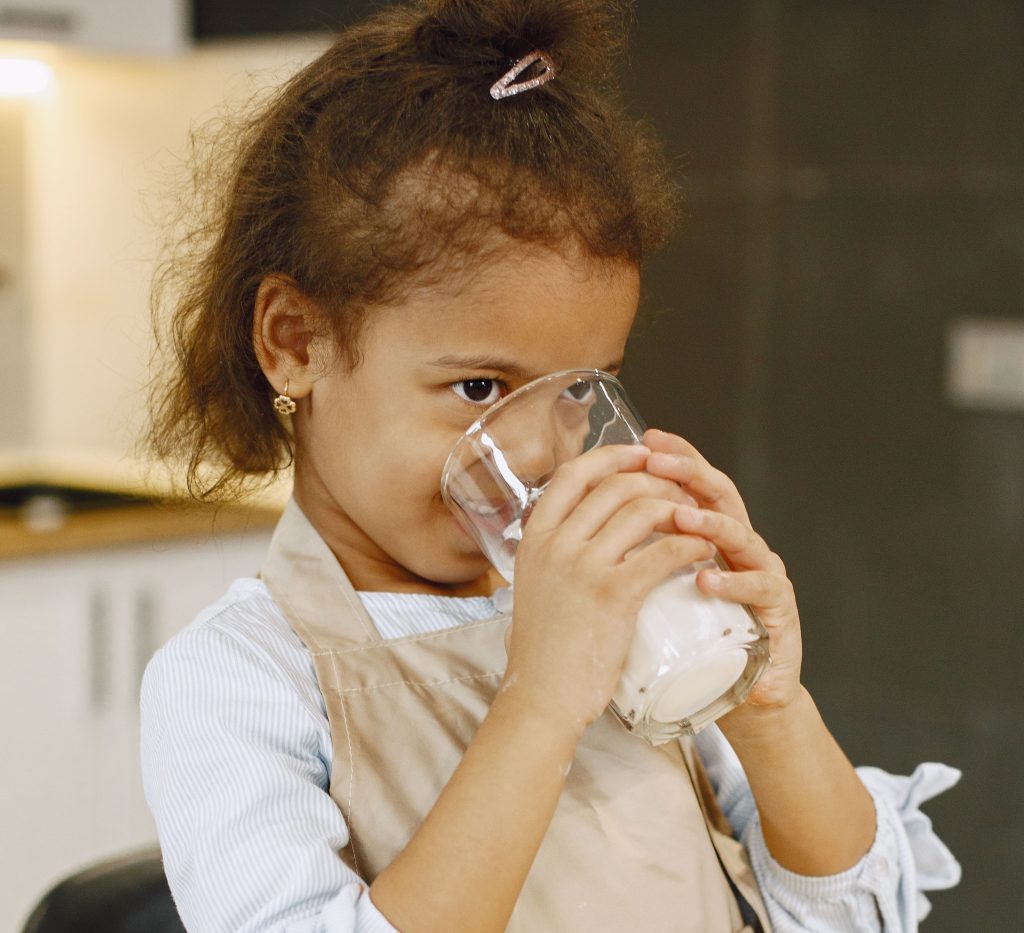
Whole milk is a convenient source of calcium and protein for toddlers, making it a useful option for children who enjoy drinking milk. If your toddler finds plain milk boring or refuses to drink it, you can make it more appealing by adding natural flavours without relying on lots of added sugar.
Warm milk with a little cacao powder: Gently warm whole milk and mix in a small amount of unsweetened cacao powder until it dissolves completely. Stir well to remove lumps and allow the milk to cool to a comfortable temperature before serving. Cacao adds a mild chocolate flavour that some toddlers may enjoy. Start with a small amount because its taste can be slightly bitter.
Milk blended with dates: Blend whole milk with one soft, pitted date to create a naturally sweetened milk drink. If the date is firm, soak it in warm water until soft before blending. Blend thoroughly until completely smooth, with no pieces of date remaining. You can adjust the amount of milk to achieve your toddler’s preferred consistency.
Parent tip: Choose unsweetened cacao powder rather than sweetened chocolate drink mixes, and avoid adding extra sugar. Dates contain natural sugars, so use them in moderation. Serve milk as part of a varied diet rather than allowing it to replace meals, as drinking excessive amounts of milk can reduce a toddler’s appetite for other nutritious foods. Always check that the drink is not too hot before serving.
Calcium-rich Lunch and Dinner Meal Ideas for Toddlers
Lunch and dinner are excellent opportunities to include calcium-rich foods in your toddler’s diet while offering a variety of flavours and textures. You do not have to prepare separate meals just for your little one. Everyday family foods such as beans, leafy green vegetables, small fish with edible bones, and cheese can help add calcium to familiar meals.
Here are some simple lunch and dinner ideas you can adapt to your toddler’s preferences.
1. Baked Salmon with Mashed Sweet Potatoes and Spinach
Baked salmon served with mashed sweet potatoes and cooked spinach is a nutritious lunch or dinner idea for toddlers. Salmon provides protein and healthy omega-3 fats that support growth and development, while sweet potatoes provide carbohydrates for energy and spinach contributes vitamins and minerals, including some calcium.
How to prepare it:
- Bake the salmon: Place a boneless salmon fillet in a baking dish and cook until it is fully cooked and flakes easily with a fork. Avoid adding too much salt.
- Prepare the sweet potatoes: Boil or steam sweet potatoes until tender, then mash them until soft. Add a little butter if needed to achieve a smooth consistency.
- Cook the spinach: Wash the spinach thoroughly. Chop it finely, cook with a little olive oil and grated tomatoes to make a stew.
- Serve: Flake the salmon carefully, checking thoroughly for any remaining bones. Serve it with the mashed sweet potatoes and finely chopped spinach stew, ensuring everything is soft and suitable for your toddler’s eating skills.
2. Sardine Stew with Soft Ugali and Cooked Sukuma Wiki
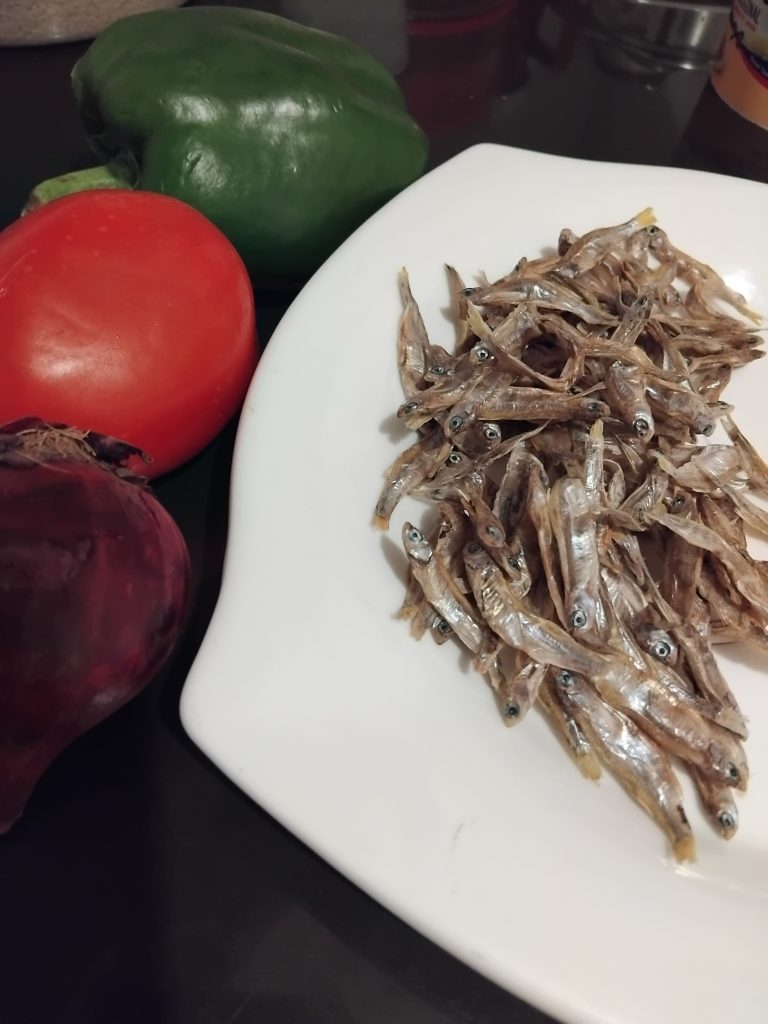
Sardines are a convenient source of calcium for toddlers when the soft, edible bones are included. You can prepare a simple sardine stew using tomatoes and onions, then serve it with soft ugali and well-cooked sukuma wiki (kale) for a nutritious family meal.
How to prepare it:
- Prepare the stew: Finely chop the onions and tomatoes. Cook them in a little oil until soft and the tomatoes form a thick sauce.
- Add the sardines: Add pre -boiled sardines, including their soft edible bones. Simmer briefly until heated through. Check carefully for any hard or sharp bones.
- Prepare the ugali: Cook maize flour with water until the ugali is soft and smooth. If using fortified maize flour, check the nutrition label to confirm whether it contains added calcium and other nutrients.
- Cook the sukuma wiki: Wash the kale thoroughly, chop it finely, and cook until tender. Use a little oil if desired, and avoid adding too much salt.
- Serve: Offer small, manageable portions of the sardine stew, soft ugali, and cooked kale. Allow the food to cool to a comfortable temperature before serving.
Nutritional benefits: Sardines with edible bones are an excellent source of calcium and also provide protein and vitamin D. Ugali supplies carbohydrates for energy, while sukuma wiki contributes vitamins, minerals, and fibre. Together, these foods provide a varied meal that supports your toddler’s nutritional needs.
3. Chicken Macaroni and Cheese with Steamed Broccoli
Chicken macaroni and cheese served with steamed broccoli is a comforting lunch or dinner idea for toddlers. The cheese and milk used in the sauce provide calcium to support strong bones and healthy teeth, while chicken adds protein for growth and development. Broccoli contributes fibre, vitamin C, and other essential nutrients, making this a tasty way to include a variety of foods in your toddler’s meal.
How to prepare it:
- Cook the macaroni: Boil the macaroni until soft, following the package instructions. Drain and set aside.
- Prepare the chicken: Cook boneless chicken thoroughly, then shred or chop it into small, tender pieces suitable for your toddler.
- Make the cheese sauce: Warm a little milk in a saucepan and stir in grated cheese until melted and creamy.
- Combine the ingredients: Mix the cooked macaroni and chicken into the cheese sauce, ensuring everything is evenly coated.
- Steam the broccoli: Steam the broccoli florets until very tender, then chop them into small, manageable pieces.
- Serve: Allow the food to cool to a comfortable temperature before serving. Ensure the chicken is tender and the broccoli is soft enough for your toddler to manage safely.
Parent tip: Cook the pasta until soft and cut it into manageable pieces. Choose cheese with less salt when possible.
4. One-Bowl Rice with Scrambled Egg, Spinach and Sesame Seeds
This simple one-bowl meal combines soft-cooked rice, scrambled egg, and finely chopped spinach to create a nutritious lunch or dinner for your toddler. You can sprinkle a small amount of finely ground sesame seeds on top to add extra calcium and healthy fats.
How to prepare it:
- Cook the rice: Boil the rice until soft and tender, making sure the texture is suitable for your toddler.
- Prepare the egg: Scramble an egg in a lightly greased pan and cook thoroughly until no runny parts remain.
- Cook the spinach: Wash the spinach, chop it finely, and cook until soft.
- Combine the ingredients: Mix the rice, scrambled egg, and cooked spinach in a bowl.
- Add sesame seeds: Lightly roast sesame seeds and grind them finely before sprinkling a small amount over the meal. Grinding the seeds helps reduce choking risk and makes them easier to incorporate into the food.
Nutritional benefits: Eggs provide protein and other essential nutrients, while spinach contributes vitamins and minerals, including some calcium. Sesame seeds are another plant-based source of calcium and healthy fats. However, calcium absorption from spinach is limited, so sesame seeds can be a useful addition to this meal.
5. Mini Homemade Pizzas with Date Milk
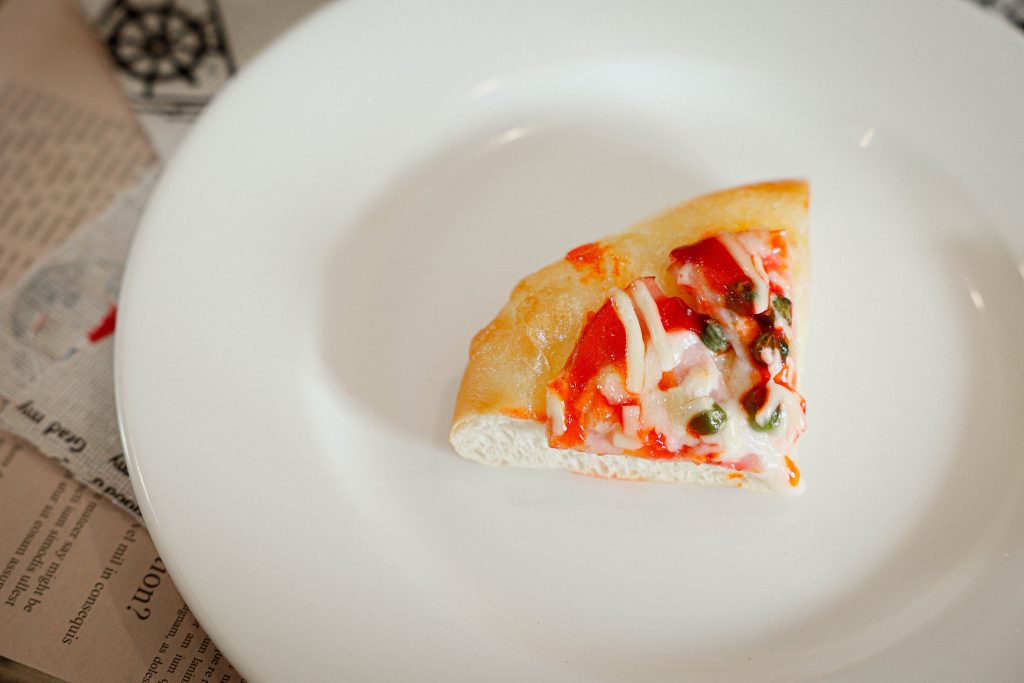
Mini homemade pizzas served with date milk can make a fun and satisfying lunch or dinner for your toddler. You can prepare small pizzas using a whole-wheat base, tomato sauce, finely chopped vegetables, and grated cheese. The cheese provides calcium to support strong bones and healthy teeth, while date milk offers another way to include calcium in your toddler’s meal.
How to prepare it:
- Prepare the pizza base: Use small homemade dough rounds or whole-wheat bread slices as the base.
- Add the toppings: Spread a thin layer of tomato sauce over each base. Add finely chopped vegetables such as spinach, bell peppers, or mushrooms.
- Add cheese: Sprinkle grated cheese over the toppings for calcium and flavour.
- Bake the pizzas: Bake until the base is cooked, the vegetables are soft, and the cheese has melted. Allow the pizzas to cool before serving.
- Prepare the date milk: Blend whole milk with one soft, pitted date until completely smooth. If the date is firm, soak it in warm water first to soften it. Serve the milk at a comfortable temperature.
Parent tip: Choose cheese with less salt when possible, and avoid adding extra sugar to the date milk. Cut the pizza into small, manageable pieces, ensuring the base is not too hard or chewy. Blend the date milk thoroughly so that no pieces remain, and supervise your toddler while eating.
Tips for Helping Your Toddler Eat More Calcium-Rich Foods
Some toddlers readily drink milk but refuse yogurt. Others enjoy cheese but reject plain milk. If your child is selective about food, small changes can make calcium-rich ingredients easier to offer. Here are a few a few things to do:
1. Add Calcium-Rich Foods to Familiar Meals
If your toddler enjoys porridge, prepare it with milk. If they like eggs, try adding a little cheese. You can also serve fruit with plain yogurt. Starting with familiar meals may make new food combinations less intimidating.
2. Offer Small Portions
Large portions can overwhelm a toddler. Start with a small serving and offer more if your child is hungry. Allow your toddler to decide how much to eat without pressure.
3. Experiment with Different Textures
Your toddler may reject yogurt in a bowl but enjoy it mixed with mashed banana. They may refuse cooked greens on their own but accept small amounts alongside rice or beans. Try different safe textures while continuing to offer the original food from time to time.
4. Avoid Forcing Your Child to Eat
Pressure, threats, or insisting that your child finish every bite can make mealtimes stressful. Instead, offer suitable choices and respond to hunger and fullness cues. Toddler appetites naturally change from day to day, so focus on food variety over time rather than a single meal.
5. Make Calcium-Rich Foods Part of Family Meals
Eat together when possible and offer similar foods to the whole family. Seeing parents and siblings enjoy foods such as yogurt, fish, beans, and vegetables may encourage your toddler to explore them.
Calcium and Vitamin D: Why Your Toddler Needs Both
Calcium is essential for developing strong bones and healthy teeth, but your toddler also needs vitamin D to help the body absorb and use calcium effectively. Some foods, including certain fish and fortified products, can provide vitamin D, while milk and other dairy products may contribute depending on the product. However, not all milk or plant-based alternatives contain added vitamin D, so check the nutrition label when choosing these foods.
To support your toddler’s growth and development, offer a varied diet that includes calcium-rich foods alongside sources of vitamin D. If your child eats a restricted diet or has other nutritional risk factors, speak with a healthcare professional about whether a vitamin D supplement is necessary. Avoid giving high doses of calcium or vitamin supplements without professional guidance, as too much of certain nutrients can be harmful.
Frequently Asked Questions About Calcium-Rich Toddler Mealsers
Q: What is the best calcium-rich food for toddlers?
A: Milk, plain yogurt, and cheese are convenient sources of calcium for many toddlers. Other options include small fish with edible bones, calcium-set tofu, and selected calcium-fortified foods. The best choices depend on your child’s food preferences, allergies, and nutritional needs.
Q: Can toddlers get enough calcium without milk?
A: Yes. Toddlers can get calcium from foods such as yogurt and cheese if tolerated, small fish with edible bones, calcium-set tofu, and calcium-fortified products. If your toddler avoids all dairy foods, plan their meals carefully and consult a healthcare professional if you are concerned about their calcium or vitamin D intake.
Q: Do eggs provide enough calcium for toddlers?
A: Eggs provide protein and several other essential nutrients, but they are not a concentrated source of calcium. Pair eggs with milk, cheese, or yogurt when suitable, or include another calcium-rich food elsewhere in your toddler’s daily meals.
Q: Does calcium help toddlers grow taller?
A: Calcium supports normal bone development, but it does not independently determine a child’s height. Genetics, overall nutrition, health, and other factors influence growth. Providing adequate calcium helps support normal development but does not guarantee increased height.
Final Thoughts
Calcium-rich toddler meals can be simple, affordable, and enjoyable. You can include calcium in familiar foods such as milk porridge, yogurt with banana, cheese omelettes, ugali with carefully prepared small fish, and meals made with calcium-set tofu.
The goal is not to make every meal perfect. Instead, offer a variety of nutritious foods, include calcium sources regularly, and give your toddler opportunities to explore different flavours and textures.
Remember that calcium is one part of a balanced diet. Protein, iron, healthy fats, vitamin D, fruits, vegetables, and energy-giving foods also support your child’s development.
At Toddler Parent Kitchen, we believe that feeding little ones should be practical, nourishing, and free from unnecessary pressure—one meal at a time.
Hi, I’m Leah, a mom behind Toddler Parent Kitchen. I share simple toddler-friendly recipes, picky eating tips, and realistic nutrition advice for busy parents.