Toddlers can surprise you with how quickly their food preferences change. One day they may happily eat sweet potatoes, pumpkin, or yogurt, and the next day they refuse to even look at them. As a parent, I have learned that sometimes changing the texture and presentation of a food can make a big difference. When my toddlers refuse certain nutritious foods as they are, I sometimes blend them into a creamy smoothie or a warm soup.
I also remind myself that toddlers do not have to love every food immediately. Their preferences can change as they grow, and repeated exposure to different foods can help them become more comfortable with new tastes and textures.
Soups and smoothies are simply tools I use to add variety to our meals while continuing to offer nutritious foods in ways my toddlers enjoy. The goal is not to pressure them to eat, but to make healthy foods accessible, enjoyable, and easy to include in everyday toddler meals.
Why Do Toddlers Sometimes Refuse Food?
Food refusal is common during the toddler years. As a parent, this can sometimes be stressful, especially when you are trying to introduce nutritious foods into your toddler’s meals. You may want your child to enjoy foods such as seeds and nuts, which provide healthy fats and other important nutrients that support children’s growth and development. When your toddler refuses these foods in their usual form, it can be frustrating to feel like your efforts are not working. For more healthy fats food ideas, see Healthy Fats for Toddlers: 8 Nutritious Foods and Easy Meal Ideas.
Toodler may refuse a food because of:
- Its texture
- The way it looks
- The temperature
- A strong taste or smell
- Being tired or not hungry
- Wanting to choose what they eat
- Simply going through a picky-eating phase
This is where trying different ways of preparing and serving foods can make mealtimes more manageable. Rather than giving up when your toddler refuses a particular food, consider offering it in a different form. Offering foods in different ways can help you provide a wider variety of nutrients while allowing your toddler to become familiar with different tastes and textures at their own pace.
Easy Soups and Smoothies for Toddlers Who Refuse Certain Foods
Soups and smoothies are different, but both can be useful ways to introduce nutritious ingredients. Smoothies are usually made by blending fruits, vegetables, yogurt, milk, seeds, or nut butters into a creamy drink, while soups combine ingredients such as vegetables, meat, legumes, or root vegetables with water or broth and are usually cooked and served warm.
Toddlers may enjoy these foods because they are soft, creamy, easy to swallow, and full of familiar flavours. Blending ingredients can also create a smoother texture for toddlers who are sensitive to certain textures or who refuse foods when served in larger pieces.
For me, soups and smoothies are not about forcing my toddlers to eat foods they have rejected. They are simply another way of preparing nutritious ingredients and offering them in a form my toddlers may find more appealing. A food that is refused on a plate may sometimes be accepted when combined with other familiar ingredients in a smoothie or soup. This gives me another way to add variety to our meals while keeping mealtimes relaxed and enjoyable.
Here is our most enjoyed and very nutritious smoothie and soup:
Creamy Sweet Potato and Arrowroot Smoothie
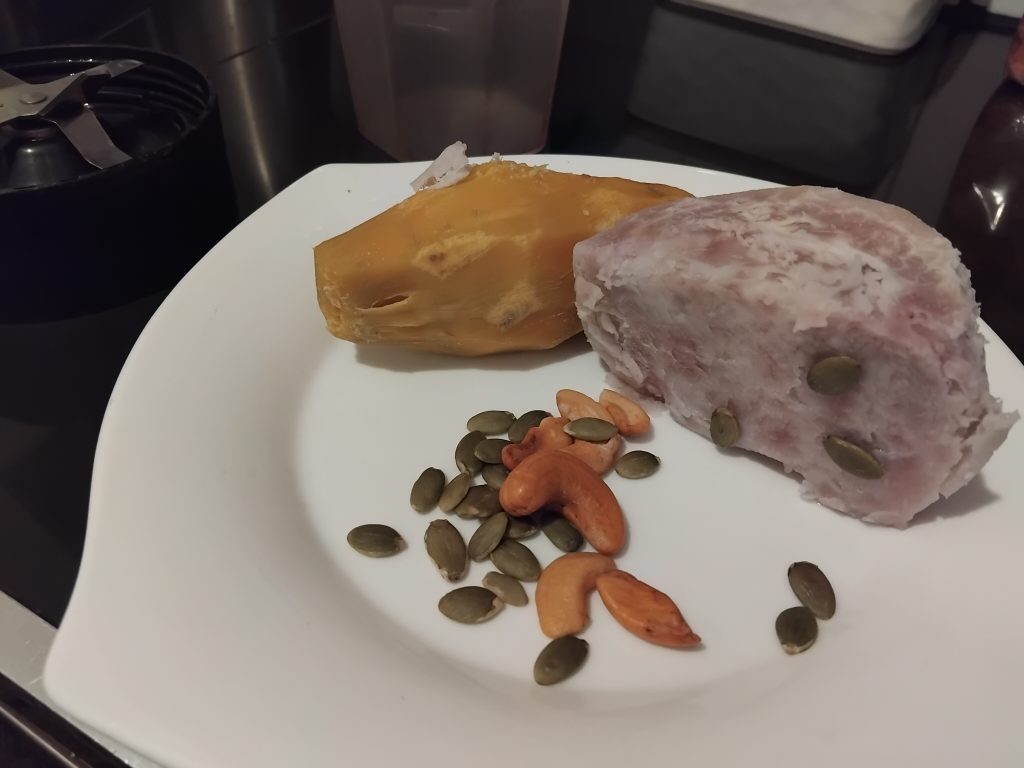
This creamy sweet potato and arrowroot smoothie is a simple way to serve several nutritious ingredients together when your toddler is not interested in eating them on their own. Sweet potato and arrowroot provide carbohydrates for energy, while cashew nuts and pumpkin seeds add healthy fats, protein, minerals, and other nutrients. Milk makes the smoothie creamy while also contributing protein and calcium.
Creamy Sweet Potato and Arrowroot Smoothie Nutritional Benefits:
Sweet potato
Sweet potatoes provide carbohydrates for energy and are a good source of beta-carotene, which the body converts to vitamin A. Vitamin A supports normal vision and immune function. Their naturally sweet taste also makes them easy to combine with other ingredients.
Arrowroot
Arrowroot is a starchy root that provides carbohydrates and energy. When cooked and blended, it gives the smoothie a naturally smooth and creamy texture. It can be useful when you want to make a filling toddler drink using familiar root vegetables.
Cashew nuts
Cashews provide healthy unsaturated fats, plant-based protein, magnesium, copper, and other important nutrients. The healthy fats and energy they provide can be useful as part of a balanced toddler diet, especially when combined with other nutritious foods. For young children, use smooth cashew butter or very finely ground or thoroughly blended cashews. In this smoothie, blending the cashews with the other ingredients creates a creamy texture that is easier for a toddler to enjoy
If you would like more ideas for safely adding nuts and seeds to toddler meals, read my post, Nutritious Toddler Meals: Benefits of Adding Seeds and Nuts for Healthy Growth.
Pumpkin seeds
Pumpkin seeds provide healthy fats, protein, magnesium, zinc, iron, and other minerals. For toddlers, pumpkin seeds should be finely ground or thoroughly blended into the smoothie rather than offered whole.
Milk
Milk adds a naturally creamy texture to this smoothie while providing protein, calcium, and other nutrients that support growing bones and teeth. It also helps bring the sweet potato, arrowroot, cashews, and pumpkin seeds together into a smooth and satisfying drink.
You can use the type of milk that is appropriate for your toddler’s age and usual diet. Milk is one of several ways to include calcium in a toddler’s meals, so it can be combined with other calcium-rich foods throughout the day. For more ideas, see my post on Top 15 Calcium-Rich Foods for Babies and Toddlers for Strong Bones and Growth.
Ingredients
- ½ medium sweet potato
- 1 small piece of cooked arrowroot
- 1 tablespoon cashew nuts or smooth cashew butter
- 1 teaspoon pumpkin seeds, finely ground
- ½–1 cup milk, depending on your preferred consistency
Method
- Peel and wash the sweet potato and arrowroot.
- Cut them into small pieces and steam or boil until completely soft.
- Allow the cooked vegetables to cool slightly.
- Add the sweet potato, arrowroot, cashews, pumpkin seeds, and milk to a blender.
- Blend until completely smooth and creamy.
- Add a little more milk if the smoothie is too thick.
- Serve warm or at a comfortable temperature for your toddler.
Parent tip: If your toddler refuses sweet potato or arrowroot when served as pieces, blending them into a creamy drink can be another way to introduce these foods.
2. Creamy Pumpkin Soup for Toddlers
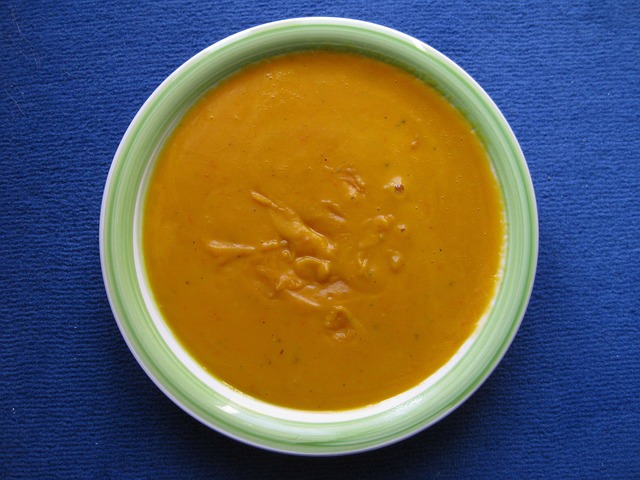
Creamy pumpkin soup is another comforting way to serve nutritious foods to a toddler who may refuse vegetables when they are served in pieces. Pumpkin has a naturally mild, slightly sweet flavour and becomes soft and creamy when cooked and blended, which can make it appealing to little taste buds. The smooth texture can also be easier for toddlers to manage than foods that are hard, crunchy, or difficult to chew.
Pumpkin Soup Nutritional benefits:
- Pumpkin is the main ingredient and provides carbohydrates, fiber, and beta-carotene, which the body converts to vitamin A. Vitamin A supports normal vision and immune function. Its natural sweetness can also add flavour without needing to add sugar.
- Coconut Milk can make the soup creamy while providing protein and calcium, which are important nutrients for growing bones and teeth. If you prefer, the soup can also be prepared with another suitable liquid depending on your toddler’s usual diet.
- Onion and mild herbs or spices can add flavour to the soup without relying on strong seasonings. Using gentle flavours can help toddlers become familiar with different tastes as they grow.
- A small amount of healthy oil, such as olive oil, can add energy and unsaturated fats to the meal. It can also help create a richer, smoother soup.
Toddlers often enjoy foods that are soft, warm, smooth, and easy to eat, and creamy pumpkin soup can have all of these qualities. The natural sweetness of pumpkin combined with its creamy texture makes it a comforting option for lunch or dinner. It can also be served with other toddler-friendly foods to create a more balanced meal.
If you would like a complete recipe with the ingredients and cooking instructions, see my recipe: Creamy Pumpkin Soup for Toddlers Recipe (12+ Months).
Pair Smoothies and Soups With a Balanced Toddler Diet
Smoothies and soups can be a helpful way to include nutritious ingredients in your toddler’s meals, but they do not need to replace a varied, balanced diet. Think of them as one part of your toddler’s overall meals and snacks. Try to include different food groups throughout the day, such as fruits and vegetables, whole grains or other sources of carbohydrates, protein foods, healthy fats, and calcium-rich foods.
For example, a fruit and yogurt smoothie can be paired with oats, whole-grain toast, or another nutritious breakfast food. A creamy vegetable soup can be served alongside egg, beans, fish, chicken, or another protein source, depending on what your toddler eats. You can also add healthy fats through foods such as avocado, seeds, nut butter, or olive oil, using toddler-safe forms.
The goal is not to make every individual meal perfectly balanced. What matters is the variety your toddler gets across the day and over time. If your toddler refuses a particular food, offering it in a soup or smoothie can give you another way to include it while continuing to expose your child to different tastes and textures. Keep offering foods in different forms without pressure, and allow your toddler to decide how much they want to eat.
My Kitchen Help: Make the Texture Work for Your Toddler
One of the biggest lessons I have learned from feeding toddlers is that texture matters. Food that is refused in chunks may be accepted when mashed. Something that is ignored on a plate may be enjoyed as a warm soup.
This does not mean every rejected food needs to go into a blender. Sometimes the best response is simply to offer the food again another day. But when I have nutritious ingredients available and my toddler is having one of those days when they refuse them as they are, blending them into a creamy smoothie or soup gives me another option.
Final Thoughts on Soups and Smoothies
Toddlers refusing food can be frustrating, especially when you have prepared a nutritious meal and they immediately say no. I have found that changing the texture can sometimes make mealtimes easier. Plain yogurt and banana, sweet potato and milk, sweet potato with peanut and milk, and pumpkin with coconut milk are simple combinations that can turn familiar ingredients into enjoyable smoothies and soups.
The goal is not to pressure toddlers to eat. It is to keep offering nutritious foods in different, age-appropriate ways while allowing them to gradually develop their own food preferences. Sometimes, a little creativity in the kitchen can make toddler mealtimes feel much easier.
Hi, I’m Leah, a mom behind Toddler Parent Kitchen. I share simple toddler-friendly recipes, picky eating tips, and realistic nutrition advice for busy parents.