Most parents feel comfortable offering soft fruits like bananas and avocados around 1 year old because they are easy to mash, gentle on little tummies, and simple for toddlers to chew. As toddlers grow, it is important to slowly introduce a wider variety of fruits as part of a balanced diet. Different fruits provide different nutrients that support healthy growth, brain development, digestion, immunity, and energy levels. In addition, offering a variety of fruits early in life can also help toddlers become familiar with different flavors and textures, which may support healthier eating habits and reduce picky eating over time.
Toddlers between ages 1–3 years are growing quickly and need nutritious foods that support healthy development, strong immunity, digestion, and steady energy throughout the day. Fruits are one of the best foods parents can offer because they are naturally sweet, colorful, hydrating, and packed with important vitamins and minerals. Unlike vegetables, which many toddlers may resist during picky eating stages, fruits are often easier for little ones to accept because of their naturally sweet taste and soft textures. This makes fruits a wonderful way to introduce important nutrients into a toddler’s daily diet while encouraging healthy eating habits from an early age.
At this stage, toddlers are also developing important feeding skills such as chewing, biting, grasping foods, and learning to feed themselves independently. Fruits can be a wonderful way to encourage self-feeding because many are naturally soft, easy to hold, and appealing to little ones. However, fruits should always be prepared and served safely to help reduce choking risks. Depending on your toddler’s age and chewing ability, fruits may need to be mashed, sliced thinly, peeled, or cut into small toddler-friendly pieces.
In this guide, we’ll cover:
- The best fruits for toddlers ages 1–3
- Nutritional benefits of each fruit
- How to safely clean and prepare fruits
- Safe serving ideas for toddlers
- Tips for picky eaters
Health Benefits of Fruits for Growing Toddlers
Fruits are some of the most nutritious and toddler-friendly foods parents can offer during the early years of growth and development. Offering a variety of fruits can also introduce toddlers to different flavors and textures while supporting balanced nutrition as they grow.
Here is why fruits are ideal foods for growing toddlers:
- Naturally rich in important vitamins and minerals
- Support healthy growth and brain development
- Provide fiber for healthy digestion
- Help strengthen the immune system
- Offer natural energy for active toddlers
- Help keep toddlers hydrated
Toddler-Friendly Fruits for Healthy Growth and Development
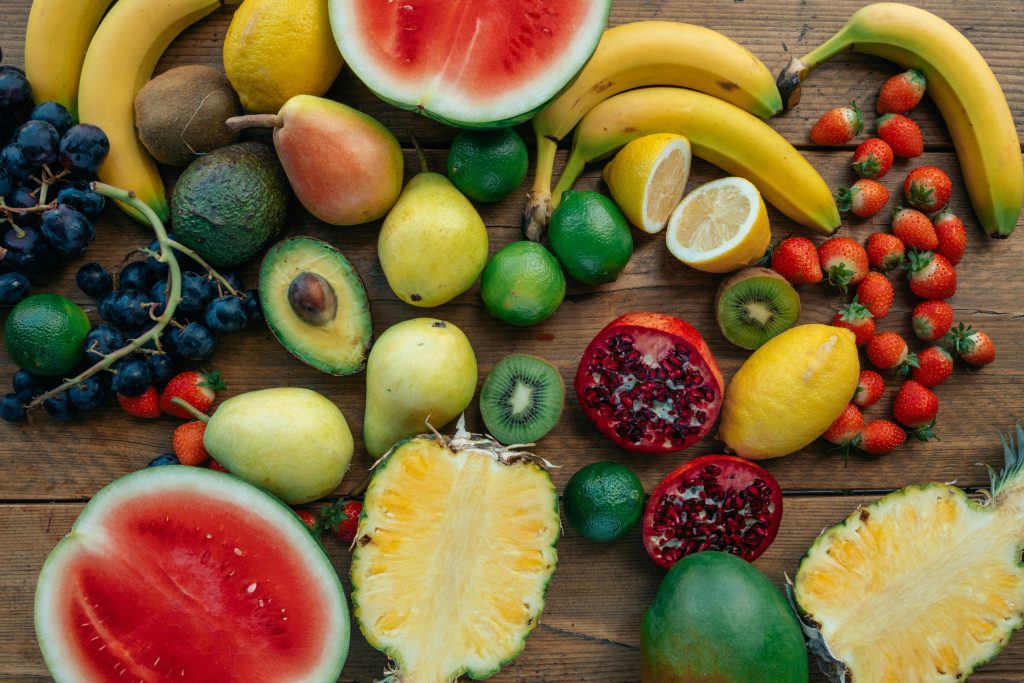
Many fruits are soft, naturally sweet, and simple to prepare, making them ideal for little children who are still learning to chew and self-feed. Here is a few fruits your toddler will love:
1. Banana: A Toddler-Friendly Fruit
Bananas are often one of the very first fruits toddlers learn to eat independently because they are naturally soft and easy to chew and digest. They are rich in potassium, an important mineral that supports healthy muscle function, nerve development, and heart health in growing toddlers. They also provide natural carbohydrates that give toddlers energy for active play, learning, and daily growth. In addition, bananas contain vitamin B6, which plays an important role in brain development and helps the body use nutrients effectively.
Safe Serving Tips:
- Slice into thin rounds
- Cut larger slices into quarters for younger toddlers
- Mash into oatmeal or yogurt
- Blend into smoothies
Bananas are also commonly used in many toddler-friendly recipes because they add natural sweetness and soft texture to foods. They work well in healthy snacks and breakfasts such as banana muffins, banana pancakes, smoothies, and oatmeal. Read our related posts on Healthy Homemade Banana Muffins for Toddlers and Easy Banana Pancakes for Toddlers for simple recipe ideas.
2. Avocado: A Toddler-Friendly Fruit
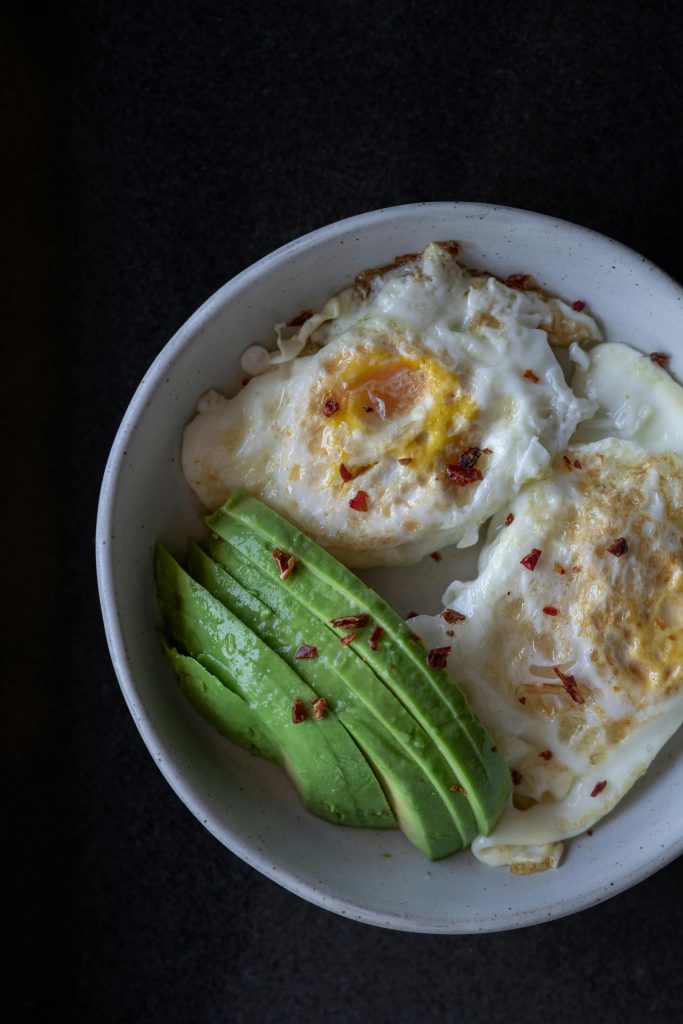
Avocados are one of the best toddler-friendly fruits because they are naturally soft, creamy, and easy for little children to eat. They are packed with healthy fats that support brain development, growth, and energy needs during the toddler years. Avocados also contain fiber, which helps support healthy digestion and may help prevent constipation. In addition, they provide important nutrients such as potassium, folate, vitamin E, and vitamin C that help support healthy development, immunity, and overall health.
Safe Serving Tips
- Serve ripe and soft
- Cut into small cubes
- Mash onto toast
- Mix into eggs or smoothies
3. Strawberries: A Toddler-Friendly Fruit
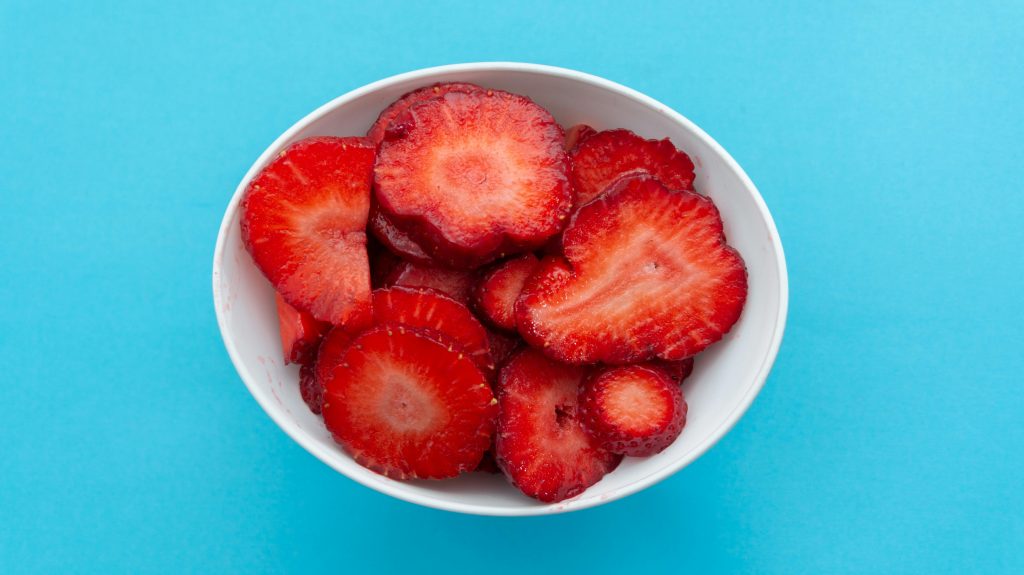
Strawberries are a colorful and nutritious fruit that many toddlers enjoy because they are naturally sweet, juicy, and easy to eat when prepared safely. They are rich in vitamin C, which helps support a strong immune system and helps the body absorb iron from other foods. Strawberries also contain fiber that supports healthy digestion, antioxidants that help protect growing cells, and water that helps keep toddlers hydrated. In addition, they provide important nutrients such as folate and potassium that support healthy growth and development.
Safe Serving Tips
- Wash thoroughly and you can also soak them for a few minutes in a mixture of water and a little baking soda, then rinse thoroughly with clean water.
- Dry them with a clean towel before serving.
- Slice thinly for younger toddlers
- Dice into bite-sized pieces
- Mash them into yogurt , blend into smoothies or topping for pancakes
For strawberry-loving toddlers, read our related post on How to Add Strawberries to Your Toddler’s Breakfast Meals for easy toddler-friendly ideas.
4. Blueberries: A Toddler-Friendly Fruit
Blueberries are a nutritious toddler-friendly fruit that are packed with vitamins, antioxidants, and fiber that support healthy growth and development. They are especially known for their high antioxidant content, which helps protect growing cells and supports brain health. Blueberries also contain vitamin C to support immunity, fiber for healthy digestion, and natural carbohydrates that provide energy for active toddlers.
Wash the berries with clean water and you can also soak them briefly in clean water or a mild vinegar-water solution before rinsing again and drying with a clean towel.
Safe Serving Tips
- Gently mash or flatten blueberries
- Cut into halves if needed
- Mix into oat meals and yogurt or smoothies
- They can also be added into batters when baking or making pancakes.
Berries are especially packed with antioxidants and nutrients that support growing children. Read more in our guide on Berries for Toddlers: What Every Mom Needs to Know.
5. Apple : A Toddler-Friendly Fruit
Apples are a nutritious and widely loved fruit that can be a healthy part of a toddler’s diet when served safely. They contain fiber, which helps support healthy digestion and may help prevent constipation. Apples also provide vitamin C, antioxidants, and natural carbohydrates that support immunity and provide energy for active toddlers.
Because raw apples can be hard and pose a choking risk for younger toddlers, they should be prepared according to your child’s age and chewing ability. For younger toddlers, apples can be steamed, softened, grated, or cooked into applesauce for an easier texture to chew. Older toddlers may enjoy thin apple slices or small soft pieces. Always avoid giving large hard chunks of apple to young children. Apples can also be added to oatmeal, yogurt, pancakes, muffins, or blended into smoothies for extra nutrition.
Try adding soft cooked apples to porridge for a naturally sweet meal. Read our related post on Apple Millet Porridge Recipe for Toddlers for an easy and nourishing breakfast idea.
6. Pear : A Toddler-Friendly Fruit
Pears are a soft and nutritious fruit that can be a great choice for toddlers. They are rich in fiber, which helps support healthy digestion and may help relieve constipation, a common issue in young children. Pears also contain vitamin C, antioxidants, and water that support immunity, hydration, and overall health. Their naturally sweet flavor and soft texture make them appealing and easy for many toddlers to enjoy.
When serving pears to toddlers, it is important to prepare them safely according to your child’s age and chewing ability. Very ripe pears can be peeled and cut into small soft pieces for self-feeding. For younger toddlers, pears can be steamed or cooked until soft to make them easier to chew and digest. Pears can also be mashed into oatmeal, blended into smoothies, mixed into yogurt, or added to muffins and pancakes for extra nutrition. Always avoid serving large hard chunks that may increase choking risks.
7. Mango : A Toddler-Friendly Fruit
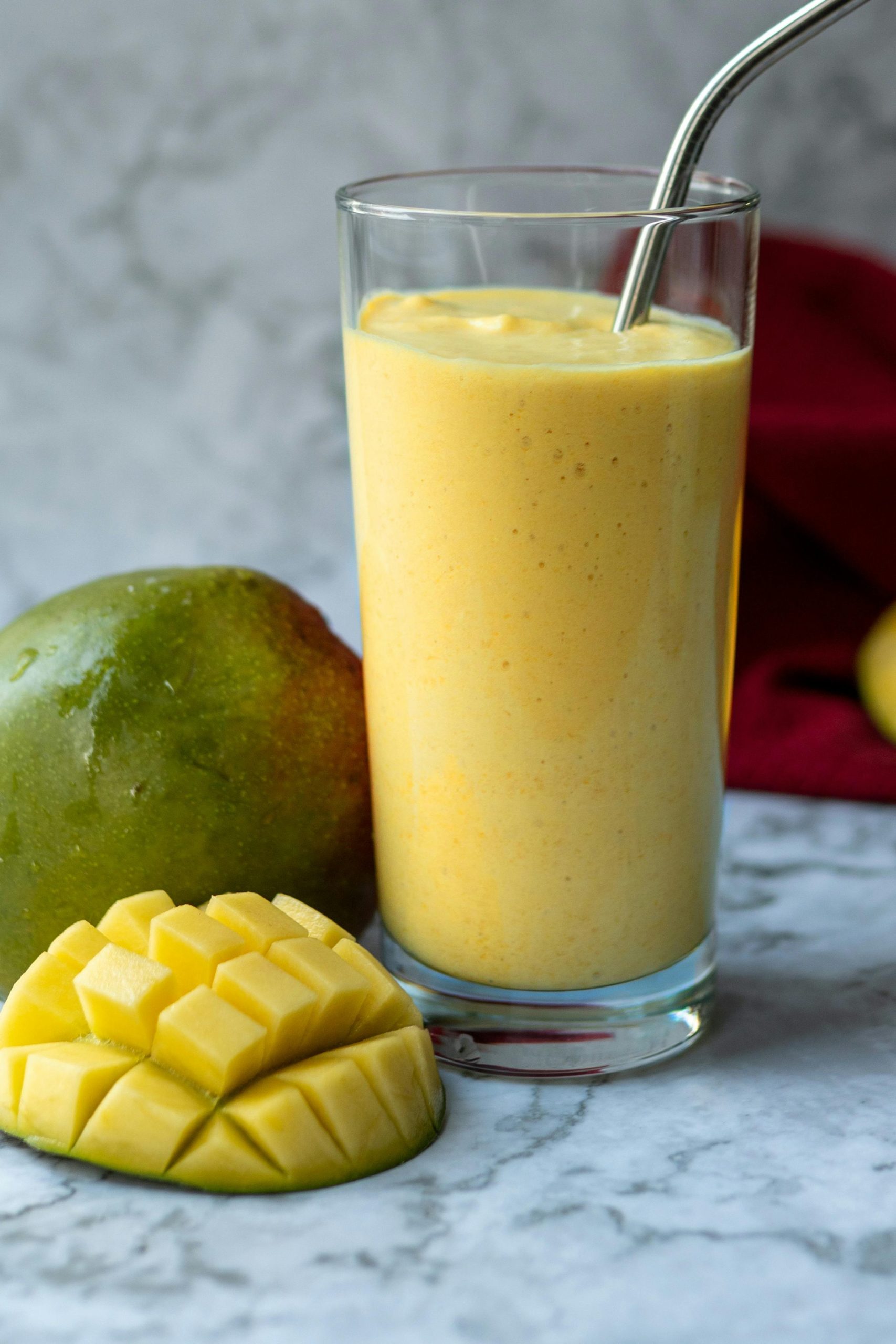
Mangoes are a sweet and nutritious fruit that many toddlers enjoy because of their soft texture and naturally bright flavor. They are rich in vitamin C, which helps support a strong immune system and helps the body absorb iron from foods. Mangoes also contain vitamin A, an important nutrient for healthy vision, skin, and growth. In addition, they provide fiber for healthy digestion, antioxidants that help protect growing cells, and natural carbohydrates that give toddlers energy for active play and development.
Safe Serving Tips
- Wash and Peel fully
- Cut into soft cubes
- Blend into smoothies or make puree and mix into yogurt
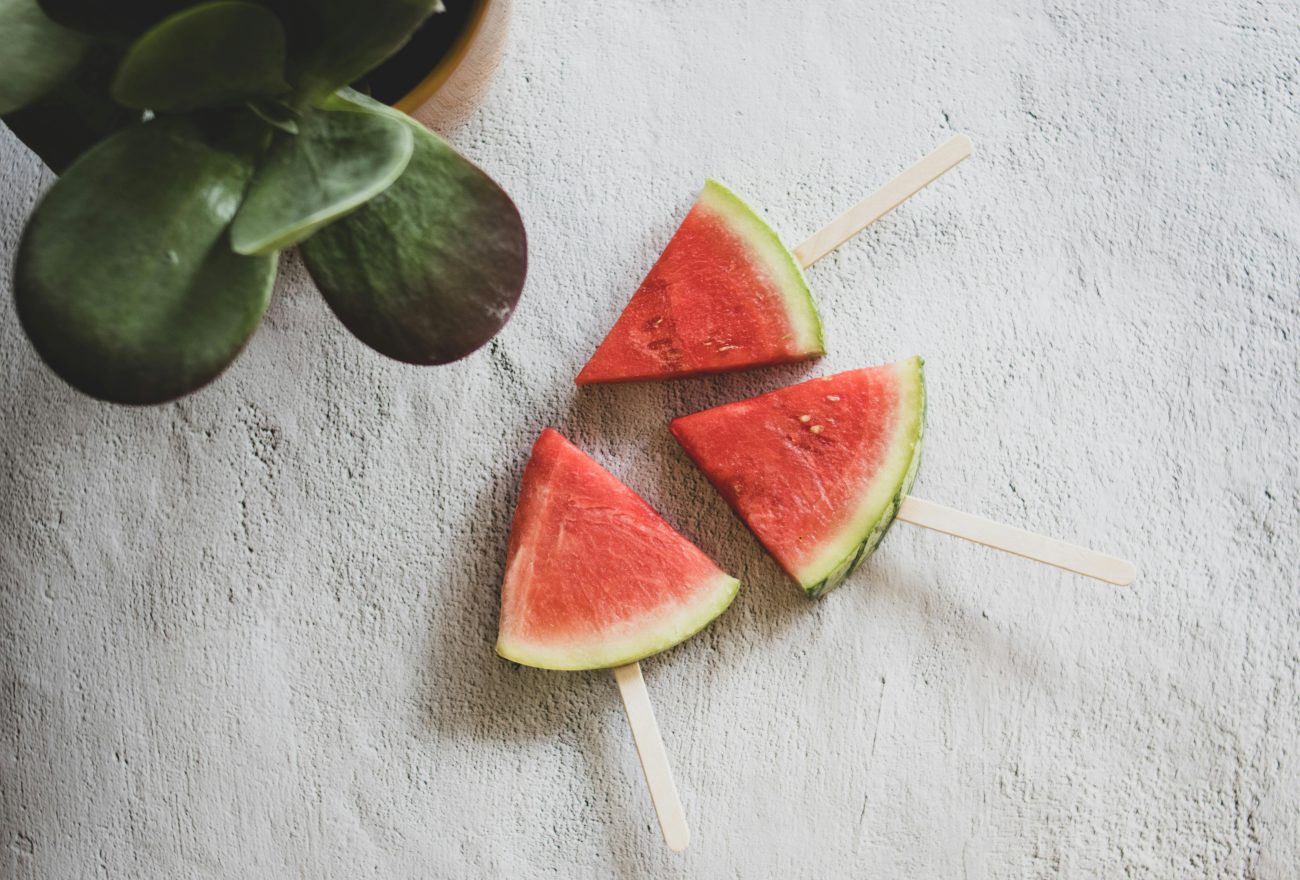
8. Watermelon : A Toddler-Friendly Fruit
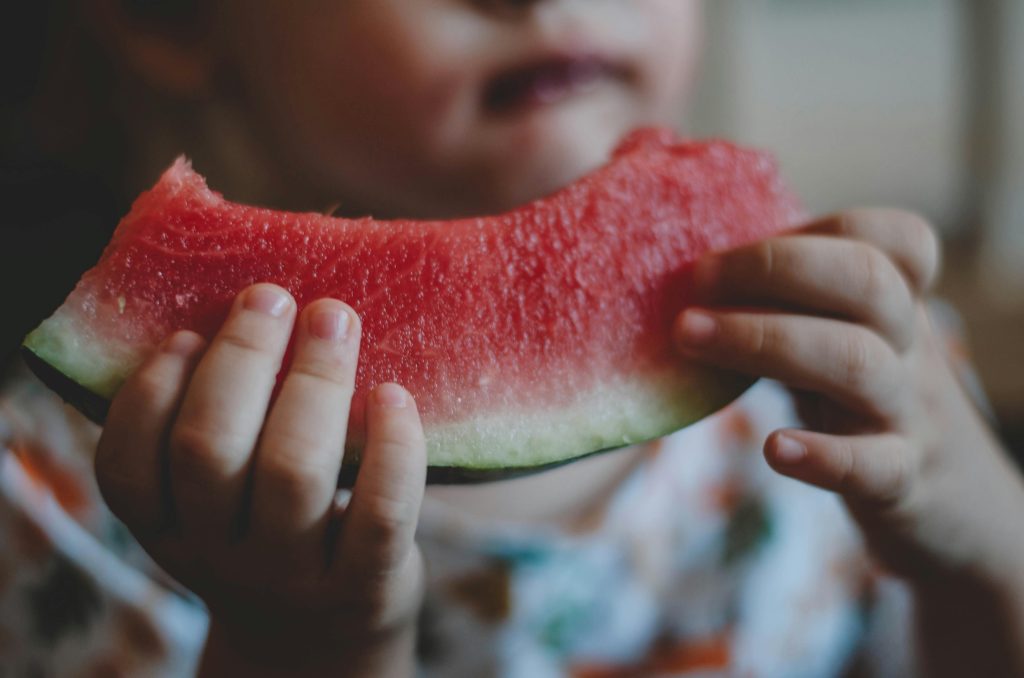
Watermelon is a refreshing and hydrating fruit that can be a great choice for toddlers, especially during hot weather. It contains a high amount of water, which helps support hydration and keeps active toddlers refreshed. Watermelon also provides vitamin C, which supports a healthy immune system, and vitamin A, which helps support healthy vision and skin. In addition, it contains antioxidants such as lycopene that help protect growing cells and support overall health.
Safe Serving Tips
- wash the watermelon
- Cut into thin strips for younger
- serve in fruit salads
- Supervise closely because of slippery texture
9. Orange : A Toddler-Friendly Fruit
Oranges are a nutritious fruit that can be a healthy addition to a toddler’s diet. They are especially rich in vitamin C, which helps support a strong immune system and helps the body absorb iron from foods. Oranges also contain fiber that supports healthy digestion, natural carbohydrates that provide energy, and water that helps keep toddlers hydrated. In addition, they contain antioxidants that help support overall health and protect growing cells.
Safe Serving Tips
- Wash and peel completely
- Remove seeds
- Cut segments into smaller pieces and make fruit salad
10. Papaya : A Toddler-Friendly Fruit
Papaya is a soft and nutritious fruit that is well suited for toddlers because it is naturally sweet, easy to chew, and gentle on digestion. It is rich in vitamin C, which helps support a strong immune system and helps the body absorb iron from foods. Papaya also contains vitamin A, an important nutrient that supports healthy vision, skin, and growth. In addition, papaya provides fiber that supports healthy digestion and may help relieve constipation in toddlers. Its high water content can also help support hydration.
Safe Serving Tips
- Remove seeds completely
- Cut into soft cubes
- Mash for younger toddlers
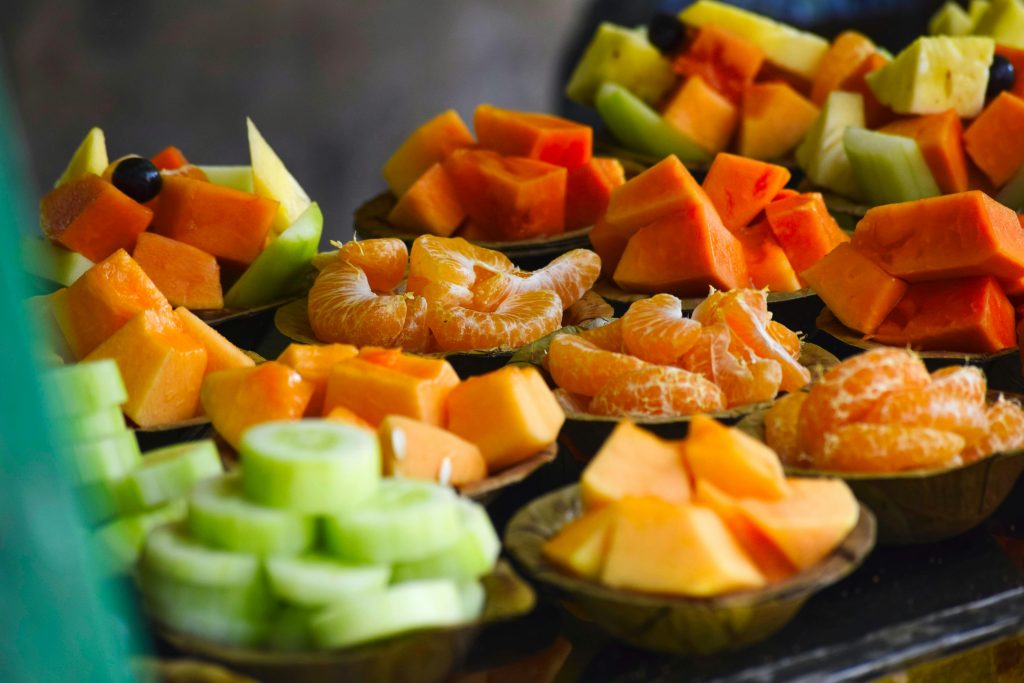
Tips for Helping Picky Toddlers Eat More Fruit
Here are the tips:
- Offer Fruits Regularly
- Pair fruits with favorite foods like yogurt or oatmeal
- make it fun by cutting fruit shapes
Final Thoughts on Toddler-Friendly Fruits
Fruits can be a wonderful part of a healthy toddler diet because they provide important nutrients that support growth, digestion, immunity, hydration, and energy levels during the early years of development. Offering a variety of toddler-friendly fruits can also help children explore different flavors, textures, and colors while building healthy eating habits that may continue into later childhood. In addition, according to the American Academy of Pediatrics HealthyChildren.org, fruits rich in vitamin C can help improve the absorption of iron from foods, especially plant-based iron sources. Vitamin C-rich fruits such as oranges, strawberries, mangoes, and papaya can support healthy iron absorption when served alongside iron-rich meals.
Every toddler is different, and some children may take time to accept new fruits. Continuing to offer fruits in simple, safe, and enjoyable ways can help encourage positive eating experiences without pressure. Whether served fresh, mashed, blended, or added to meals and snacks, fruits can be an easy and nutritious addition to your toddler’s daily routine.
Hi, I’m Leah, a mom behind Toddler Parent Kitchen. I share simple toddler-friendly recipes, picky eating tips, and realistic nutrition advice for busy parents.