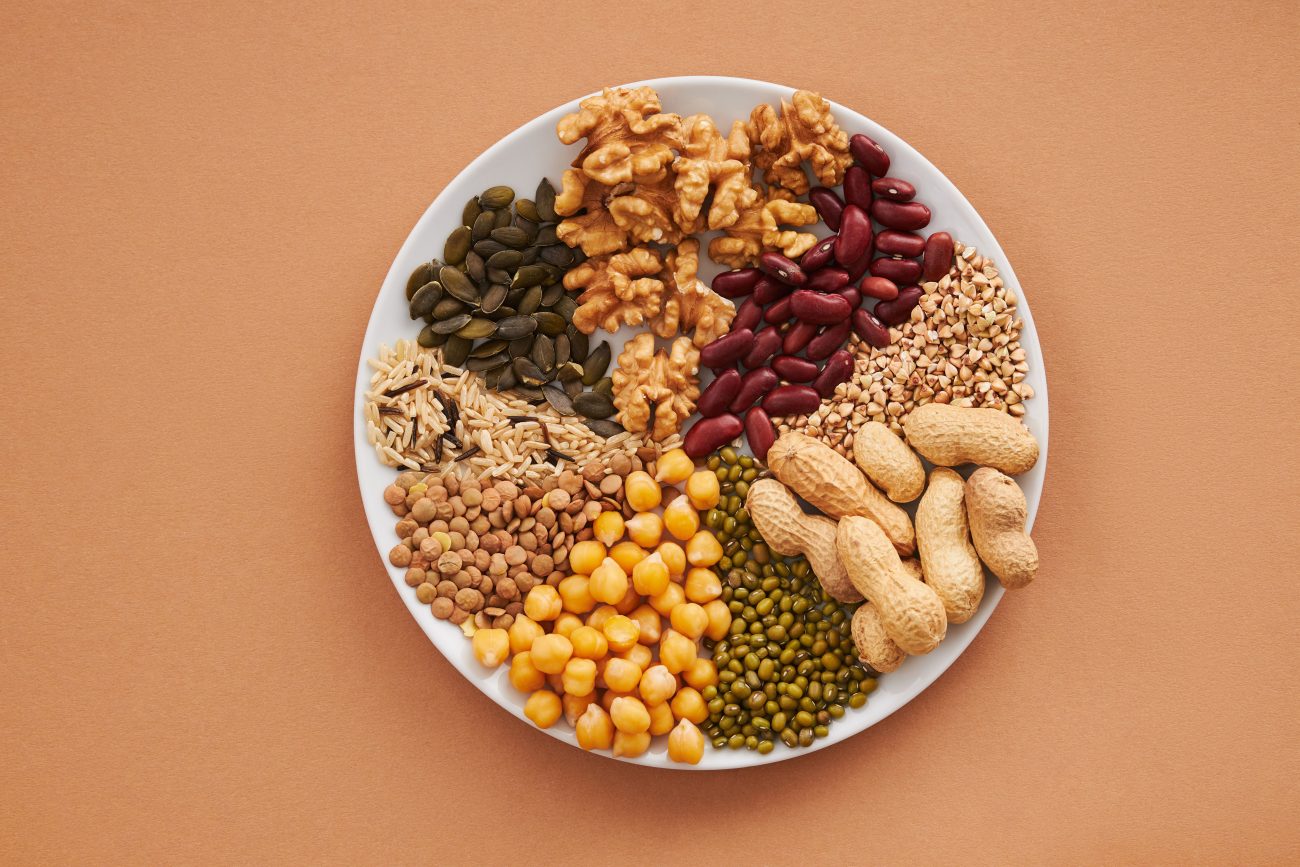
As parents, we all want our toddlers to get the nutrients they need to grow and thrive. Since no single food provides every nutrient, offering a variety of foods is one of the best ways to support healthy growth and development.
Protein is an important nutrient for toddlers because it helps build muscles, supports healthy bones, repairs body tissues, and contributes to a strong immune system. While many people think of beef, chicken, and fish when they hear the word protein, there are also many nutritious plant-based foods that provide this important nutrient.
Having several protein-rich food options can make meal planning easier and help you create balanced meals for your little one. In this article, we’ll explore five of the best plant-based protein foods commonly found in many kitchens and explain why they are excellent choices for growing toddlers.
1. Lentils (Dengu) – A Protein-Packed Toddler Superfood
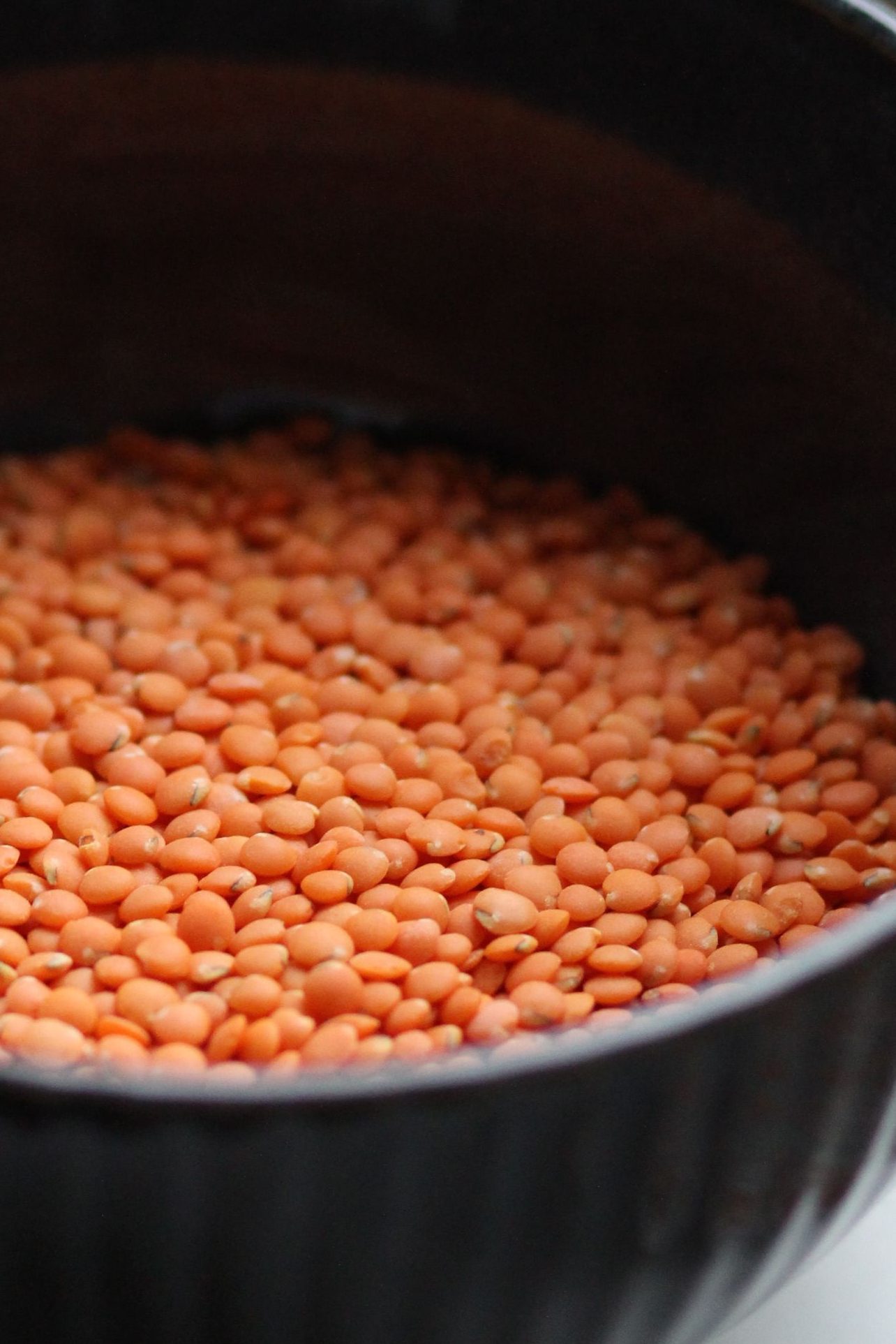
Lentils are one of the best plant-based protein foods for toddlers. They are affordable, easy to prepare, and packed with nutrients that support healthy growth and development. Lentils come in several varieties, including green lentils, brown lentils, red lentils, yellow lentils, and black lentils. While they vary slightly in texture and cooking time, all of them provide valuable nutrition for growing children.
Lentils are rich in plant-based protein, which helps build and repair muscles and body tissues. They are also an excellent source of fiber, which supports healthy digestion and can help prevent constipation. In addition, lentils provide iron, an important mineral that helps transport oxygen throughout the body and supports healthy brain development. Lentils also contain folate, potassium, magnesium, and B vitamins, all of which contribute to energy production, healthy growth, and overall wellbeing.
How to Cook Lentils for Toddlers
Red and yellow lentils are often the easiest varieties for toddlers because they cook quickly and become soft and creamy. Simply rinse the lentils thoroughly and simmer them in water until tender. Green and brown lentils take a little longer to cook but can be softened well enough for toddlers.
For younger toddlers, mash cooked lentils with a fork or blend them into soups and stews. Older toddlers can enjoy whole lentils mixed into rice, vegetable dishes, or soft patties. Avoid adding too much salt, and instead flavor lentils with mild herbs and vegetables such as carrots, tomatoes, onions, or spinach.
Toddler-Friendly Ways to Serve Lentils
- Lentil stew served with rice
- Mashed lentils mixed with sweet potatoes
- Lentil and vegetable soup
- Lentil patties or fritters
- Lentils mixed into pasta sauce
- Lentil curry with soft vegetables
2. Beans – A Protein-Packed Toddler Superfood
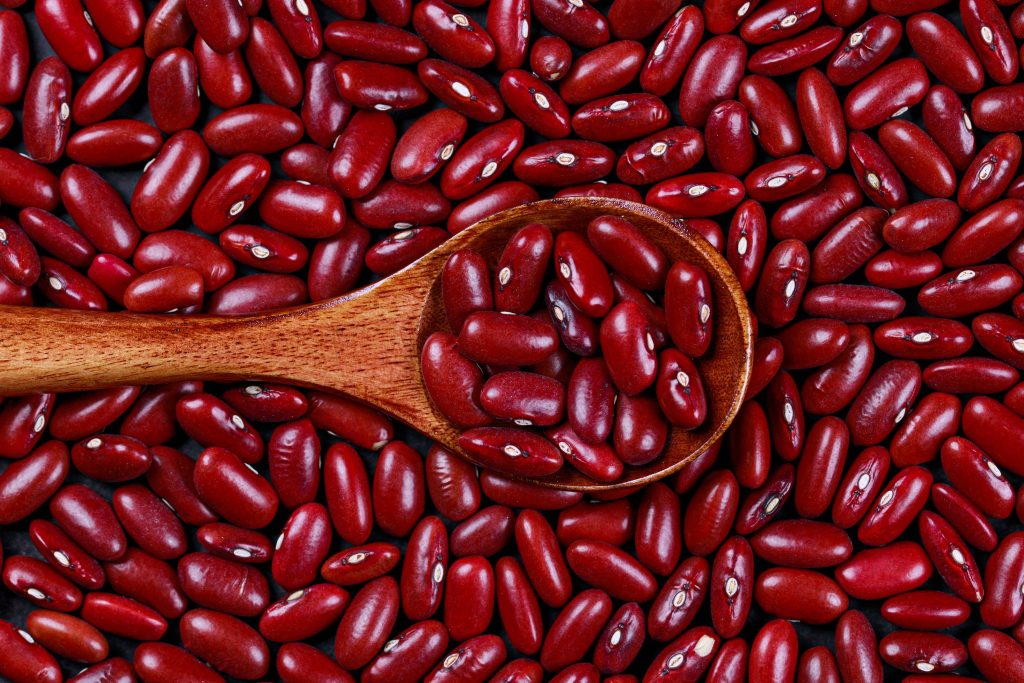
Beans are a nutritious and budget-friendly food that can provide toddlers with plant-based protein and many other important nutrients. There are several types of beans commonly found in our kitchens, including kidney beans, red beans, black beans, navy beans, pinto beans, white beans, and green grams (mung beans). Each variety offers slightly different nutrients and flavors, making beans an excellent food to include regularly in your toddler’s diet.
Beans are rich in protein, which supports muscle growth, tissue repair, and overall development. They are also an excellent source of dietary fiber, helping to promote healthy digestion and prevent constipation. In addition to protein and fiber, beans provide iron, zinc, folate, magnesium, potassium, and B vitamins. Iron supports healthy brain development and helps prevent iron deficiency, while zinc contributes to growth and a strong immune system. The complex carbohydrates in beans provide lasting energy to keep active toddlers fueled throughout the day.
How to Cook Beans for Toddlers
Dried beans should be sorted, washed, and soaked overnight before cooking. Soaking helps reduce cooking time and may make beans easier to digest. Cook the beans until they are very soft and can be easily mashed between your fingers. A pressure cooker can significantly reduce cooking time.
For younger toddlers, mash cooked beans or blend them into soups and stews. Older toddlers can enjoy whole soft beans mixed into meals. Avoid adding excess salt during cooking, and enhance flavor with vegetables such as tomatoes, onions, carrots, spinach, or pumpkin.
Toddler-Friendly Bean Meal Ideas
- Bean stew served with rice, or chapati
- Mashed beans mixed with sweet potatoes
- Bean and vegetable soup
- Rice and beans with steamed vegetables
- Bean and avocado mash
- Mixed bean casserole with vegetables
3. Peas – A Protein-Packed Toddler Superfood
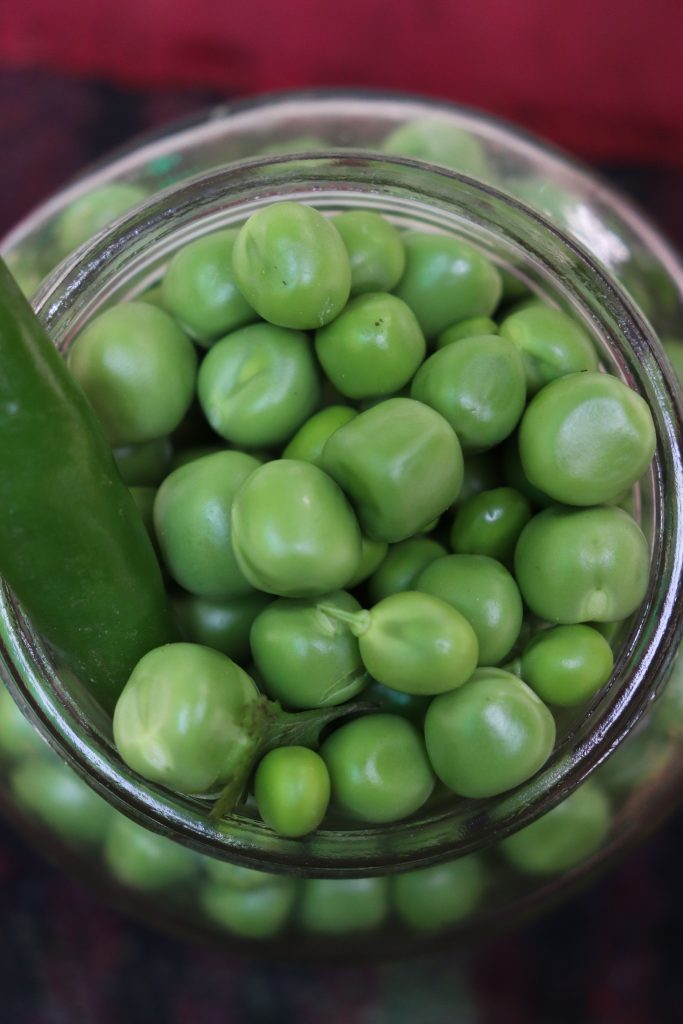
Peas are a nutritious plant-based food that provides protein, fiber, and a variety of vitamins and minerals that support healthy growth in toddlers. There are several types of peas, including green peas, garden peas, snow peas, snap peas, split green peas, and split yellow peas. While each variety has slightly different textures and uses, they all offer valuable nutrition for growing children.
Peas contain plant-based protein, which helps support muscle growth, tissue repair, and overall development. They are also rich in dietary fiber, which promotes healthy digestion and helps prevent constipation. In addition, peas provide vitamin C, vitamin K, folate, iron, potassium, and several B vitamins. Vitamin C supports a healthy immune system and helps the body absorb iron more effectively. Folate contributes to healthy cell growth, while potassium supports muscle and nerve function. Peas also contain antioxidants that help protect the body’s cells from damage.
How to Cook Peas for Toddlers
Fresh or frozen green peas are easy to prepare and retain most of their nutrients when lightly steamed or boiled until tender. Avoid overcooking, as this can reduce some vitamin content and affect texture.
For younger toddlers, mash cooked peas with a fork or blend them into purees, soups, or sauces. Older toddlers can enjoy whole soft peas as part of meals or snacks. Split peas should be cooked until very soft and are excellent for making creamy soups and stews.
Snow peas and snap peas can be lightly steamed and sliced into smaller pieces to reduce choking risks for younger children.
Toddler-Friendly Pea Meal Ideas
- Mashed peas served alongside potatoes or sweet potatoes
- Pea and vegetable soup
- Split pea stew with vegetables
- Rice mixed with peas and carrots
- Pasta with peas and a mild creamy sauce
- Peas added to vegetable fritters
- Pea puree mixed into mashed potatoes
4. Nuts – A Protein-Packed Toddler Superfood
Nuts are nutrient-dense foods that provide plant-based protein, healthy fats, and many essential vitamins and minerals for growing toddlers. There are several types of nuts, including peanuts, almonds, cashews, walnuts, pistachios, hazelnuts, and macadamia nuts. Each variety offers unique nutritional benefits, making nuts a valuable addition to a balanced toddler diet.
Nuts provide protein that supports muscle growth, tissue repair, and overall development. They are also rich in healthy unsaturated fats, which are important for brain development, energy, and the absorption of certain vitamins. In addition, nuts contain fiber, vitamin E, magnesium, zinc, iron, and various B vitamins. Vitamin E acts as an antioxidant that helps protect the body’s cells, while magnesium supports bone health and muscle function. Zinc contributes to growth and immune health, and iron supports healthy brain development.
How to Serve Nuts Safely to Toddlers
Whole nuts can be a choking hazard for young children and should not be given whole to toddlers. Instead, serve nuts in age-appropriate forms such as smooth nut butters, finely ground nuts, or nut powders mixed into foods. Homemade nut butters are often a better choice because they typically contain fewer additives, less sugar, and less salt than many store-bought varieties.If you’d like to make your own, see our guide on How to Make Homemade Peanut Butter for Toddlers.
When introducing nuts for the first time, offer a small amount and watch for any signs of an allergic reaction. If your toddler has a known food allergy or a strong family history of allergies, consult your healthcare provider before introducing nuts.
Toddler-Friendly Nut Meal Ideas
- Peanut butter spread on whole-grain toast
- Almond butter mixed into oatmeal
- Smooth peanut butter and banana smoothie
- Yogurt topped with finely ground nuts
- Nut butter served with sliced fruit
- Ground nuts mixed into porridge
- Nut butter spread on crackers
- Homemade energy balls made with oats and nut butter
Along with nuts, seeds can be a valuable addition to your toddler’s diet. Discover how both can support healthy growth and development in our article, Nutritious Toddler Meals: Benefits of Adding Seeds and Nuts for Healthy Growth.
5. Whole Grain Oats – A Protein-Packed Toddler Superfood
Whole grain oats are a nutritious and versatile food that can help boost your toddler’s protein intake while providing many other important nutrients. Although oats are not as high in protein as beans or lentils, they contain more protein than many other grains and can contribute to a balanced plant-based diet. They are also easy to prepare, gentle on little tummies, and can be served in many toddler-friendly ways.
Whole grain oats provide plant-based protein that supports healthy growth, muscle development, and tissue repair. They are also an excellent source of dietary fiber, particularly a type called beta-glucan, which supports healthy digestion and helps keep toddlers feeling full for longer.
How to Prepare Oats for Toddlers
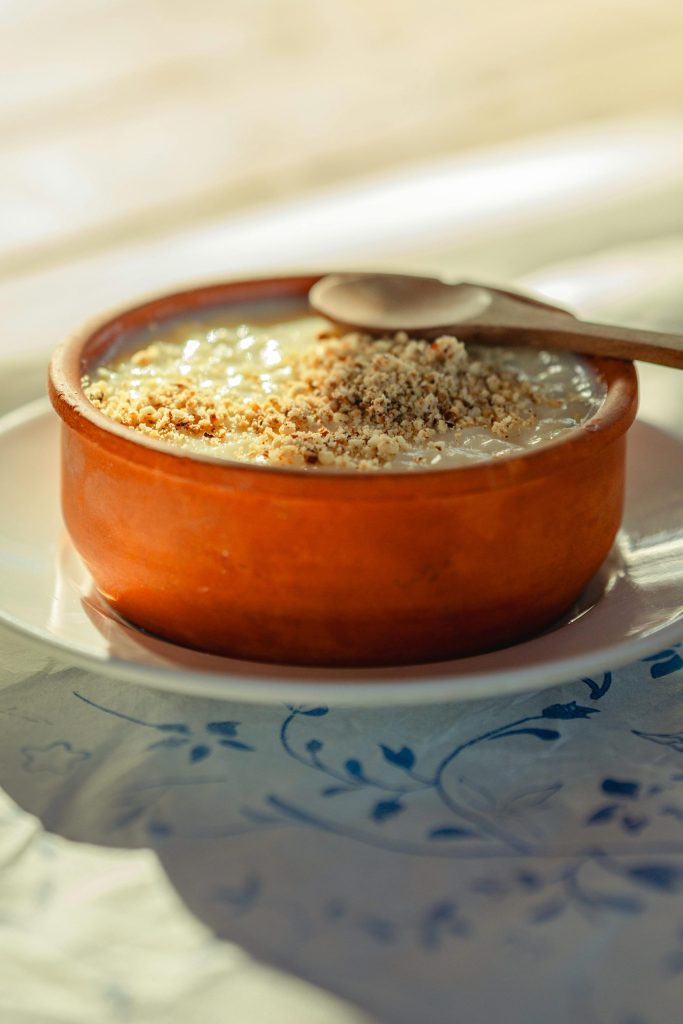
Rolled oats and quick oats are both suitable for toddlers and cook relatively quickly. Cook oats with water or milk until they become soft and creamy. For younger toddlers, you can add extra liquid to create a smoother texture that is easier to eat.
For variety, oats can be used beyond porridge and incorporated into pancakes, muffins, smoothies, and homemade snacks. If you’re looking for more ways to include oats in your toddler’s diet, explore our 10 Easy & Healthy Oat Recipes for Toddlers (Nutritious Meal Ideas) for simple and delicious meal inspiration.
Whole grain oats are an affordable, nutrient-rich food that can easily become a regular part of your toddler’s diet. Their protein, fiber, vitamins, and minerals help support healthy growth while providing lasting energy for busy little bodies.
Tips for Serving Plant-Based Protein Foods to Toddlers
- Offer a variety of protein sources such as lentils, beans, peas, nuts, and oats to provide a wider range of nutrients.
- Serve foods in toddler-friendly textures by mashing beans and lentils, cooking peas until soft, and offering nuts as smooth nut butters or finely ground powders.
- Pair plant proteins with vitamin C-rich foods such as oranges, mangoes, tomatoes, strawberries, bell peppers, or broccoli to help improve iron absorption.
- Combine protein with healthy fats like avocado, nut butters, yogurt, and seeds to create balanced and filling meals.
- Introduce new foods gradually and continue offering them even if your toddler initially refuses them. It can take several exposures before a child accepts a new food.
- Include a protein source at every meal and snack to support growth and provide lasting energy throughout the day.
- Avoid excessive salt and added sugar when preparing toddler meals. Use natural ingredients and mild seasonings instead.
- Encourage self-feeding when appropriate to help toddlers develop independence and become more interested in trying different foods.
- Lead by example by eating a variety of healthy foods together as a family.
- Watch for food allergies, especially when introducing nuts or nut butters for the first time.
Frequently Asked Questions
Can toddlers get enough protein from plant-based foods?
Yes. A well-planned diet that includes legumes, soy products, whole grains, nuts, and seeds can provide sufficient protein for healthy growth.
What is the best plant-based protein for toddlers?
Lentils, beans, chickpeas, tofu, and peas are among the best choices because they provide protein along with important vitamins and minerals.
How often should toddlers eat protein?
Most toddlers benefit from having a source of protein at each meal and snack throughout the day.
Final Thoughts
Plant-based protein foods can be a nutritious and affordable addition to your toddler’s diet. Lentils, beans, chickpeas, tofu, and green peas provide protein along with fiber, iron, vitamins, and minerals that support healthy growth and development. By serving these foods in toddler-friendly ways and combining them with fruits, vegetables, whole grains, and healthy fats, you can create balanced meals that nourish your little one while encouraging healthy eating habits.
Hi, I’m Leah, a mom behind Toddler Parent Kitchen. I share simple toddler-friendly recipes, picky eating tips, and realistic nutrition advice for busy parents.