If you’re looking for realistic meal ideas for your toddler, you’re not alone. One of the most common questions parents ask is, “What should my 20-month-old eat in a day?” While every child has different preferences and appetites, seeing a real-life example can provide inspiration and reassurance.
As parents, we all have different goals when it comes to feeding our little ones. Some of us are focused on making sure our toddlers get enough calcium for strong bones and teeth, while others are working on increasing iron-rich foods to support healthy growth and brain development. We also try to include enough protein for growing muscles, healthy fats for brain development, and a variety of fruits and vegetables to provide essential vitamins and minerals.
Of course, feeding toddlers is not always straightforward. Some days they eat everything on their plate, and other days they seem to survive on a few bites and a snack. That’s completely normal. Rather than aiming for perfection at every meal, I focus on offering balanced foods throughout the day and trusting my toddler to eat according to their hunger cues.
Today, I’m sharing what my 20-month-old ate today, including breakfast, snacks, lunch, and dinner. These meals were simple, balanced, and designed to provide the nutrients needed to support healthy growth and development. My goal is not to create perfect meals but to offer a variety of foods that help meet my toddler’s needs for calcium, iron, protein, fiber, vitamins, and healthy fats while keeping meals practical and family-friendly.
Why Nutrition Matters for a 20-Month-Old

At 20 months old, toddlers are growing rapidly, becoming more active, and developing important skills every day. Their bodies and brains need a steady supply of nutrients to support healthy growth, strong bones, immune function, and cognitive development. Many pediatric nutrition experts emphasize that balanced eating patterns matter more than what a toddler eats at a single meal. Consistently offering nutritious foods, reduce the risk of common nutrient deficiencies. For more guidance on toddler nutrition and iron intake, the American Academy of Pediatrics provides helpful resources for parents. HealthyChildren.org Pediatric Nutrition Resources
One challenge many parents face at this age is that toddlers often become picky eaters. They may suddenly refuse foods they previously loved or eat very little at certain meals. While this is usually a normal stage of development, it can sometimes increase the risk of nutrient deficiencies if a toddler’s diet becomes too limited.
Common Nutritional Deficiencies in Toddlers
Iron Deficiency
Iron deficiency is one of the most common nutritional deficiencies in toddlers. Iron plays a major role in brain development, learning, energy levels, and healthy blood production. Children who do not get enough iron may develop iron-deficiency anemia, which can affect growth, attention, and development.
To help prevent iron deficiency, include foods such as:
- Beef, chicken, turkey, and fish
- Eggs
- Beans and lentils
- Iron-fortified cereals
- Dark leafy greens
Pairing iron-rich foods with vitamin C sources like oranges, strawberries, tomatoes, mangoes, or bell peppers can improve iron absorption.
Calcium and Vitamin D Deficiency
Calcium and vitamin D work together to support strong bones and teeth. Toddlers who consume little dairy or fortified alternatives may not get enough of these nutrients.
Good sources include:
- Milk
- Yogurt
- Cheese
- Fortified plant-based milks
- Eggs
- Fatty fish
Regular outdoor play and sunlight exposure can also support healthy vitamin D levels.
Protein Gaps
Protein is essential for muscle growth, tissue repair, and overall development. While true protein deficiency is uncommon, some picky toddlers may not eat enough protein-rich foods.
Simple toddler-friendly protein sources include:
- Eggs
- Yogurt
- Cheese
- Chicken
- Fish
- Beans
- Lentils
- Nut butters (served safely)
Fiber and Vitamin Deficiencies
Toddlers who avoid fruits and vegetables may miss out on important vitamins, minerals, and fiber. This can contribute to constipation and make it harder for them to get nutrients that support immunity and overall health.
Offering a variety of colorful fruits and vegetables throughout the week helps provide vitamins A, C, potassium, and antioxidants that support healthy growth.
Real-Life Toddler Meal Plan for a day
This real-life toddler meal plan shows what my 20-month-old ate in a day. The meals are simple, practical, and made with everyday ingredients. My goal is to provide foods that support strong bones, healthy brain development, energy needs, and overall growth while exposing my toddler to a variety of flavors and textures.
In addition to offering balanced meals and snacks, I make sure to offer water between meals throughout the day to help keep my toddler hydrated. Water is the best drink for toddlers because it supports digestion, helps regulate body temperature, and keeps their bodies functioning properly.
Nutritious Breakfast for a 20-Month-Old
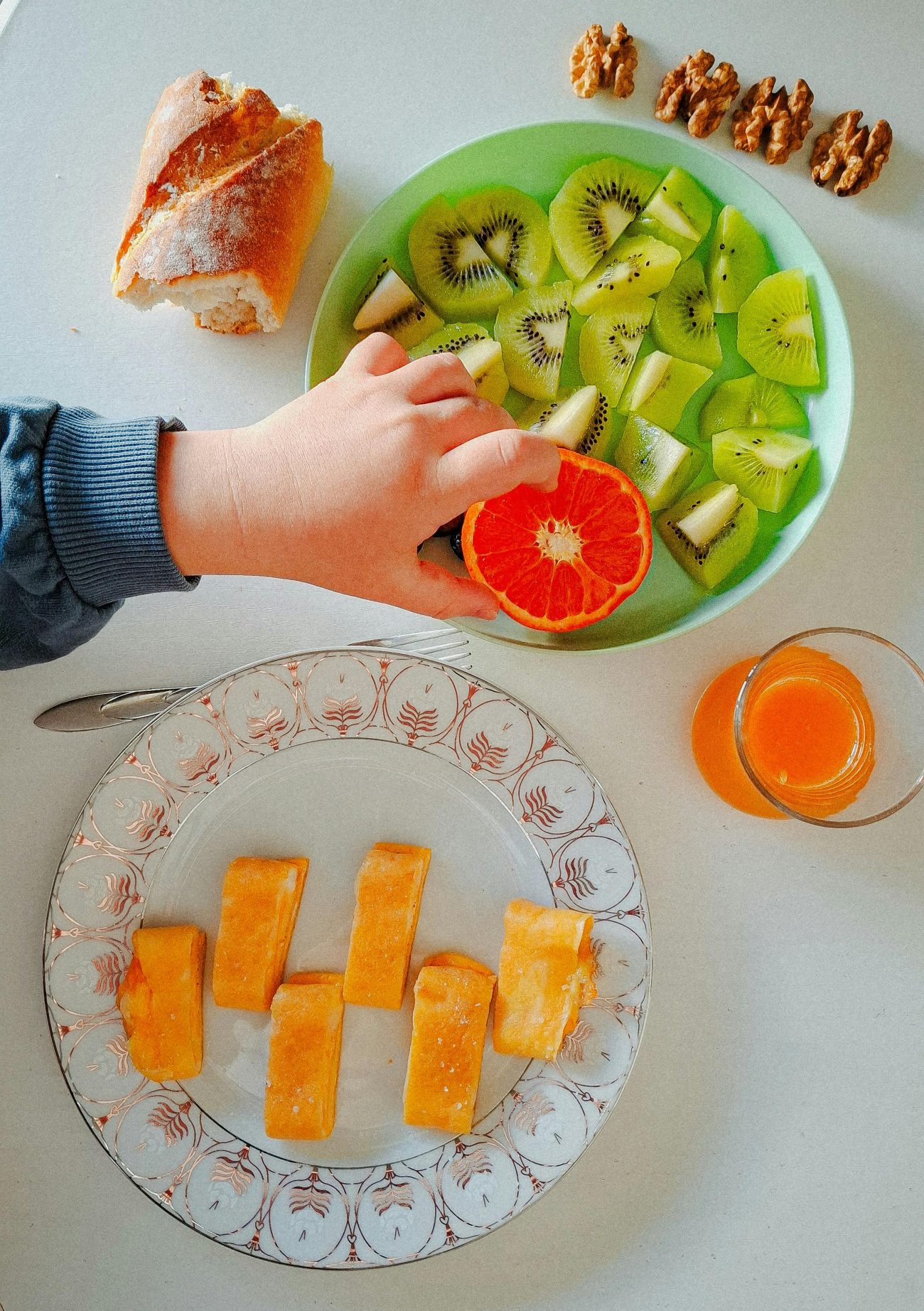
For breakfast, my 20-month-old enjoyed:
- pumpkin pancakes
- plain yogurt
- orange slices.
The pumpkin pancakes were made using whole-grain flour and pumpkin puree, which added fiber, complex carbohydrates, and important nutrients such as vitamin A. Pumpkin is rich in beta-carotene, which the body converts into vitamin A to support healthy vision, immune function, and growth. If you’d like to make them at home, check out my Pumpkin Pancakes for Toddlers recipe, where I share the full ingredient list, preparation steps, and tips for serving them to young children.
A serving of plain yogurt added protein and calcium, two nutrients that are especially important for growing toddlers. Protein helps build and repair muscles and tissues, while calcium supports the development of strong bones and teeth.
Fresh orange slices completed the meal by providing vitamin C, fiber, and natural sweetness. Vitamin C not only supports the immune system but also helps the body absorb iron more efficiently from other foods eaten throughout the day.
Nutritious Morning Snack for a 20-Month-Old
For his morning snack, my 20-month-old enjoyed:
- avocado slices sprinkled with ground flax seeds.
This simple snack may look basic, but it provides several important nutrients that support healthy growth and development. Avocados are packed with healthy fats, which are especially important during the toddler years when the brain is developing rapidly. The sprinkle of ground flax seeds added plant-based omega-3 fatty acids, and antioxidants which play an important role in brain health and development.
If you’re looking for more ways to boost the nutritional value of your toddler’s meals, check out my Benefits of Adding Seeds and Nuts to Toddler Meals guide, where I share toddler-friendly seeds, their nutritional benefits, and safe serving tips.
Nutritious Lunch for a 20-Month-Old
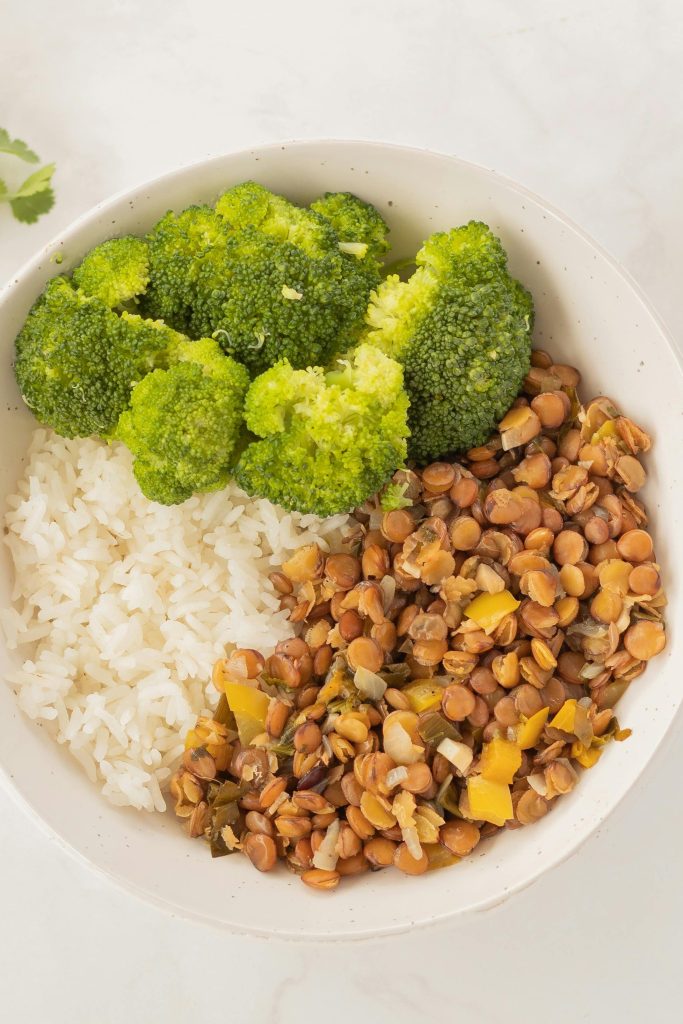
For lunch, my 20-month-old enjoyed:
- soft boiled rice
- lentil stew
- steamed broccoli
Rice provided carbohydrates, which are a toddler’s main source of energy for playing, learning, and exploring. Paired with lentil stew, it created a filling and nutritious meal rich in protein, iron, fiber, and folate. Lentils are one of my favorite toddler-friendly protein sources because they are soft, easy to eat, and packed with nutrients that support growth and development. The steamed broccoli added an extra serving of vegetables and provided vitamin C, vitamin K, fiber, and antioxidants. Vitamin C is particularly helpful because it can improve the absorption of iron from the lentils, making this meal a great choice for supporting healthy iron levels.
Together, these foods created a balanced lunch that included whole-food sources of protein, carbohydrates, and vegetables while exposing my toddler to different textures and flavors. If you’re looking for more nutritious midday meal inspiration, be sure to read my Protein-Rich Lunch Ideas for Toddlers post, where I share additional toddler-friendly lunch options that are filling, balanced, and packed with nutrients to support healthy growth.
Nutritious Afternoon Snack for a 20-Month-Old
For an afternoon snack, my 20-month-old enjoyed:
- grated apple.
This simple snack is naturally sweet, easy to eat, and provides important nutrients that support a growing toddler. Apples are a good source of fiber, which helps support healthy digestion and can help prevent constipation. They also contain vitamin C and beneficial plant compounds called antioxidants that help support overall health. Grating the apple makes it easier for young toddlers to chew and reduces the risk of choking while still allowing them to enjoy the fruit’s natural texture and flavor.
While my toddler enjoyed grated apple today, afternoon snacks do not have to be limited to apples. If you’re looking for more fruit ideas, check out my 10 Best Fruits for Toddlers guide, where I share some of the most nutritious fruits for growing toddlers, their health benefits, and easy ways to serve them safely.
Nutritious Dinner for a 20-Month-Old
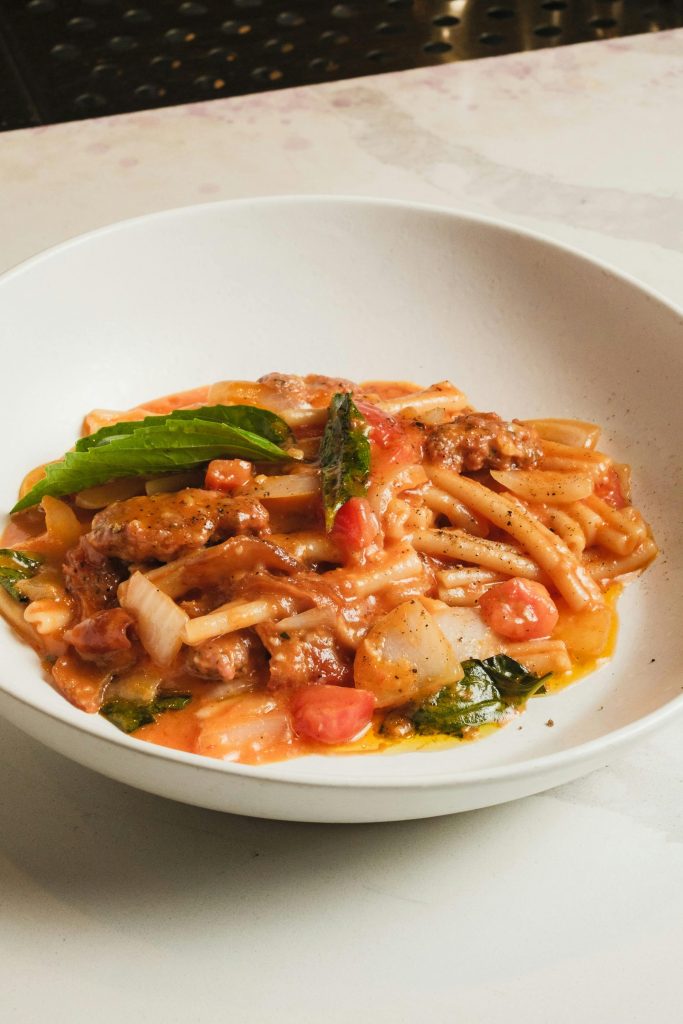
For dinner, my 20-month-old enjoyed:
- pasta
- minced meat
- cucumber sticks
The pasta supplied carbohydrates, which help replenish energy after a busy day of playing, learning, and exploring. Choosing whole-wheat pasta when possible can add extra fiber and nutrients, but regular pasta can also be part of a healthy toddler diet. The minced meat provided high-quality protein, iron, zinc, and B vitamins, all of which are important for healthy growth and development. Iron is especially important during the toddler years because it supports brain development and healthy red blood cell production. Cucumber sticks added a refreshing crunch and contributed hydration, fiber, and small amounts of important vitamins and minerals. Serving vegetables alongside familiar foods helps toddlers become more comfortable with different textures and flavors over time.
If you’re looking for more easy dinner inspiration, be sure to check out my Non-Cook Quick Dinners for Toddlers post.
Toddler Bedtime Snack: Milk
Before bed, my toddler had:
- A small cup of milk
This simple bedtime snack helped provide additional calcium and protein before sleep.
Sample Daily Feeding Schedule for a 20-Month-Old
A typical day may look like:
- 7:30 AM: Breakfast
- 10:00 AM: Morning snack
- 12:30 PM: Lunch
- 3:30 PM: Afternoon snack
- 6:00 PM: Dinner
- 7:30 PM: Milk before bed
Final Thoughts on What My 20-Month-Old Ate Today
This real-life toddler meal plan shows that healthy eating doesn’t have to be complicated. By offering a variety of fruits, vegetables, proteins, healthy fats, and whole grains throughout the day, you can help support your toddler’s growth and development.
Remember that every child is different. Some days your toddler may eat everything on their plate, while other days they may eat very little. Consistency, variety, and patience are often the keys to building healthy eating habits that last a lifetime.
Hi, I’m Leah, a mom behind Toddler Parent Kitchen. I share simple toddler-friendly recipes, picky eating tips, and realistic nutrition advice for busy parents.