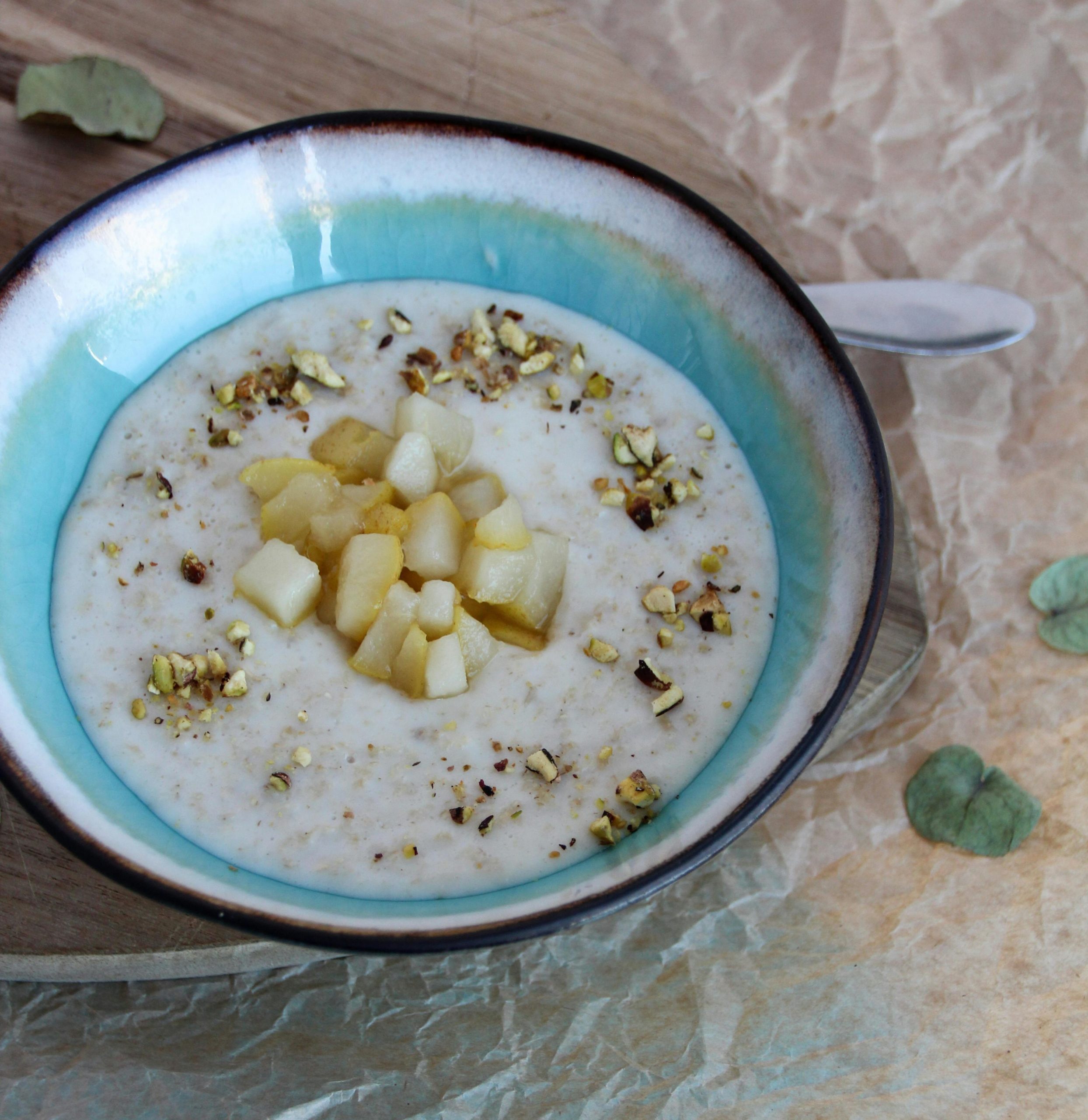
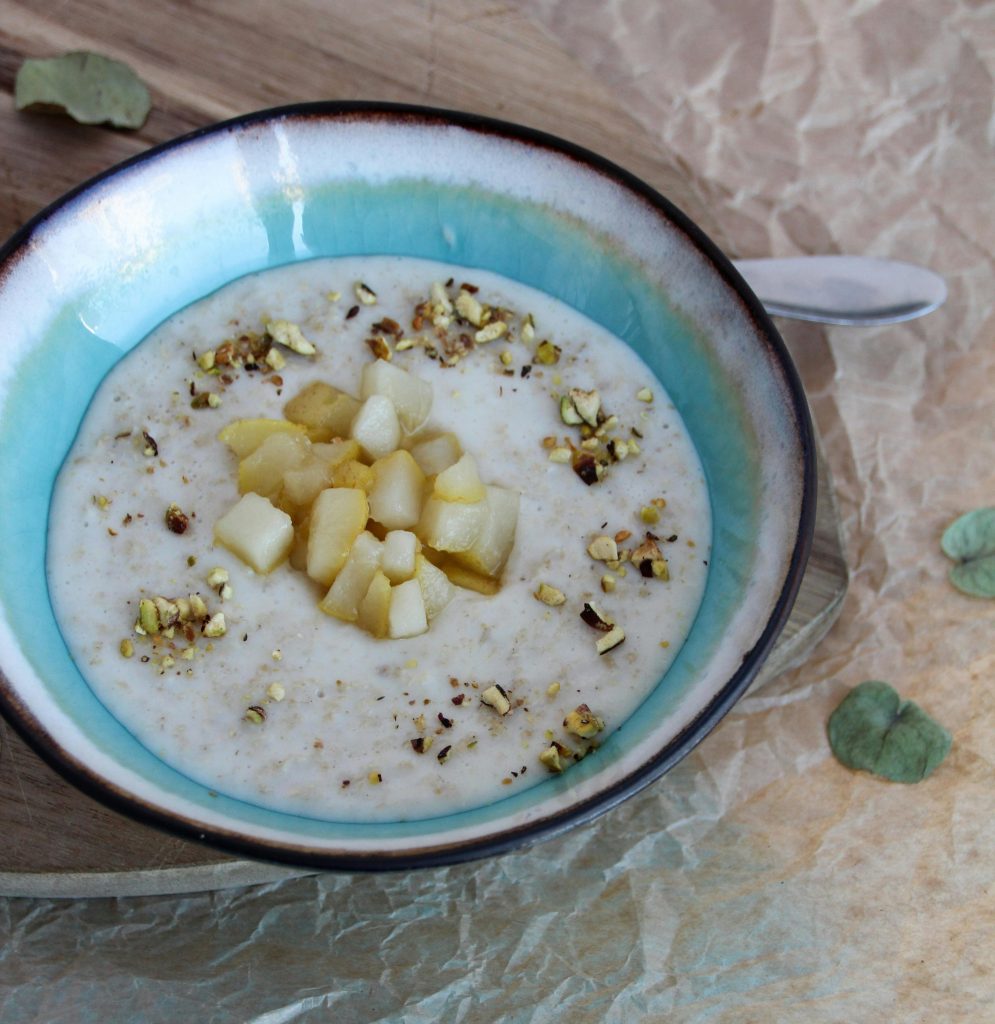
Some mornings call for comfort food. The kind that’s warm, gentle on little tummies, and filling enough to keep toddlers happy until snack time. If you’re looking for a healthy apple and millet porridge recipe for toddlers, this simple breakfast idea is both nourishing and easy to prepare. Apple and millet porridge for toddlers is naturally sweet, rich in fiber, and packed with important nutrients like iron to support growth and energy levels in little ones ages 1–3. As a mom, I love that this wholesome porridge is gentle on tiny tummies, budget-friendly, and perfect for busy mornings when you need something warm, filling, and nutritious on the table fast.This warm apple & millet porridge has become one of our favorite go-to breakfasts—especially on cool mornings or when my toddler wants something soft,warm and cozy.
It’s naturally nutritious, easy to digest, and perfect for toddlers who are still learning to love different textures.
Why Warm Breakfasts Work Well for Toddlers
A warm breakfast can feel soothing and comforting, helping your toddler settle into the day calmly. For busy moms focused on raising healthy eaters, offering warm, nourishing meals in the morning is a simple way to support steady energy, better focus, and balanced nutrition throughout the day. Many toddlers eat better when food is warm and soft, especially in the morning. Warm meals tend to be:
- Easier to chew and swallow as cooking makes the soft.
- More comforting for children as they are easily absorbed by the body providing energy and improving focus and performance in a toddler.
- Simple to digest compared to cold or dry foods as they match the body temperature reducing the energy required for digestion.
Soft, warm foods like porridge help toddlers chew and swallow comfortably, which is important during the early years when they are still developing eating skills.Warm porridge-style breakfasts are toddler friendly. You can thin them or thicken them, depending on how your toddler is eating that day.
Why Apple and Millet Porridge Is Healthy for Toddlers
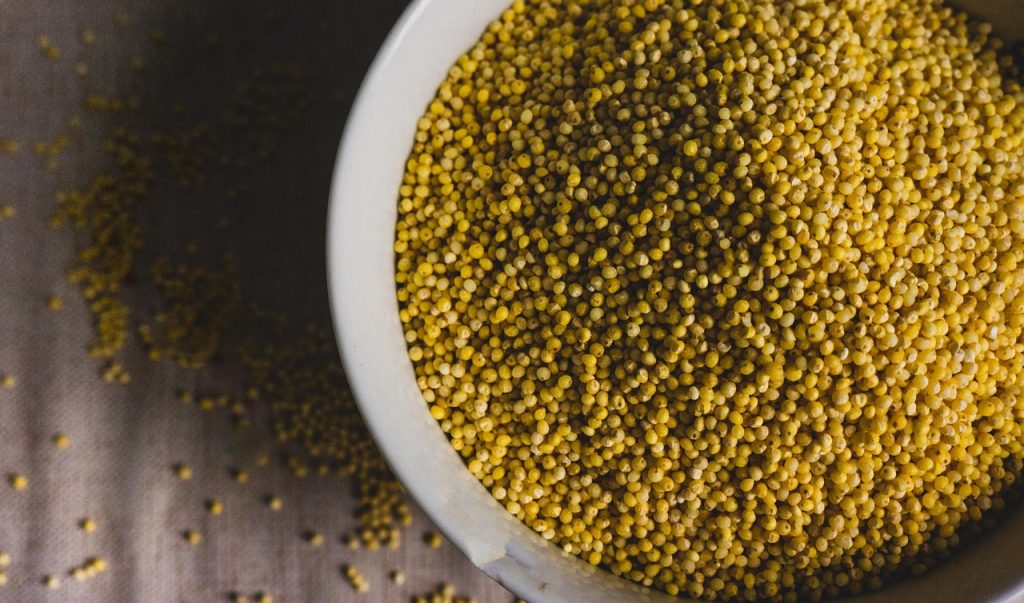
Millet is an underrated grain, especially for toddler meals. When cooked properly, it becomes soft and creamy without needing much seasoning. There are different types of millet pearl, finger, sorghum and more. It is a wonderful grain to include in toddler meals because it’s naturally nutrient-dense, gentle on digestion, and easy to prepare in soft textures little ones can manage. If you’re focused on offering balanced meals for ages 1–3, millet can be a simple way to boost nutrition without complicated recipes.
Here are health benefits of millet meals:
1. Rich in Iron which is essential for toddler growth and brain development. Millet contains plant-based iron, making it a helpful addition to meals—especially when paired with vitamin C foods like apples or berries to improve absorption.
2. High in fiber which supports healthy digestion and can help prevent constipation—something many toddlers struggle with.
3. Naturally gluten-free for families avoiding gluten, making it easy to digest, and a gentle option for sensitive tummies.
4. Provides Steady Energy because as a whole grain it contains complex carbohydrates that release energy slowly preventing energy crashes and keeps toddlers satisfied longer between meals and snacks.
5. Supports overall growth because it contains important nutrients like magnesium, phosphorus, and small amounts of protein—all of which contribute to strong bones, healthy muscles, and overall development.
Adding apple to warm millet porridge makes this simple toddler breakfast options that can be added to other nutritious and balanced breakfast recipes. Millet provides plant-based iron and complex carbohydrates for steady energy, while apples add natural sweetness and important nutrients like vitamin C. When combined, the vitamin C in apples helps improve iron absorption from millet, making the meal more beneficial for your toddler’s growth and brain development.
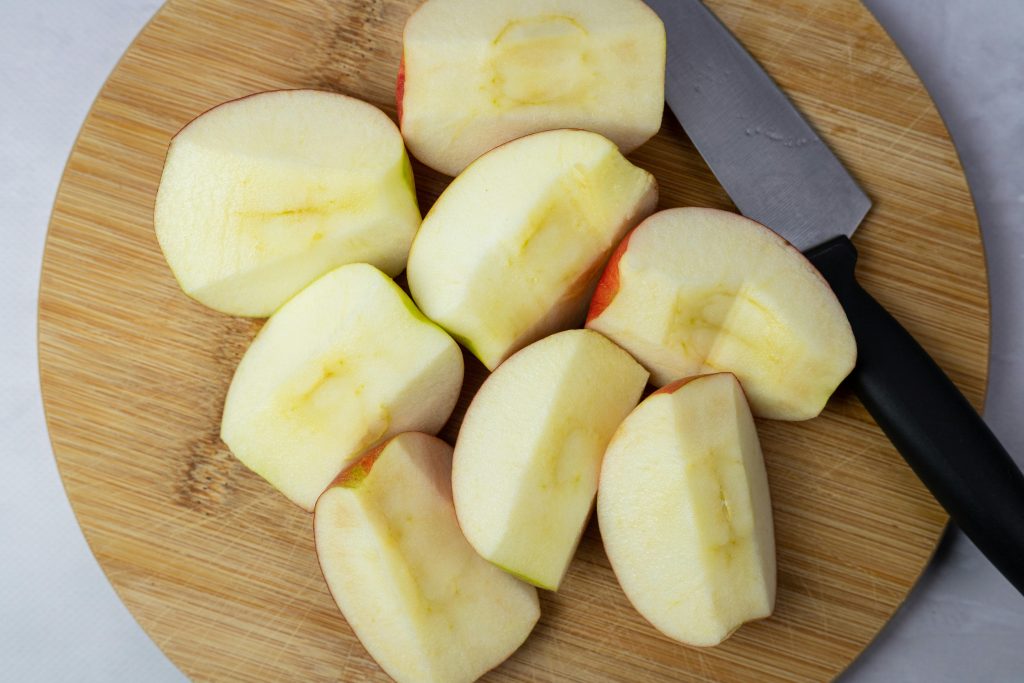
This combination is also gentle on little tummies. Both millet and apples contain fiber, which supports healthy digestion and can help prevent constipation in toddlers. Cooking the apple into warm porridge softens its texture, making it easier to chew and digest while naturally enhancing flavor—so you can skip added sugar and still serve a comforting, wholesome breakfast.
Simple millet porridge recipe for busy moms
Mornings can feel rushed, especially when you’re trying to get everyone fed and out the door. That’s why this apple and millet porridge recipe for toddlers has become one of my favorite go-to breakfasts. It requires minimal prep and basic ingredients you likely already have at home. I love knowing that in just a few minutes, I can serve my toddler a wholesome bowl that supports steady energy and healthy growth—without adding stress to our morning routine.
Ingredients for Warm Apple & Millet Porridge
Once you know what is good for your little one, half the work is done; the other half is finding child-friendly recipes. This recipe uses simple, everyday ingredients and doesn’t rely on added sugar.
You’ll need:
- ¼ cup millet (washed well) or millet flour
- 1 small apple, peeled and chopped
- 1½–2 cups water
- 1 teaspoon unsalted butter (optional)
- A pinch of cinnamon (optional, for toddlers 12 months+)
Tip: Soaking millet for 4–6 hours if using the whole grains before cooking can make it cook faster and improve texture, but it’s optional if you’re short on time.
How to Make Apple & Millet Porridge
Step 1: Cook the Millet
Add the washed millet and water to a pot. Cook on low to medium heat, stirring occasionally, until the millet becomes soft and slightly creamy. This usually takes about 15–20 minutes.
Step 2: Add the Apple
Add the chopped or grated apple to the pot. Continue cooking until the apple pieces are very soft and easy to mash.
Step 3: Blend or Mash
For younger toddlers, blend the porridge until smooth.
For older toddlers, mash lightly to keep some texture.
Step 4: Finish Gently
Stir in butter if using. Add a tiny pinch of cinnamon for flavor if your toddler is already familiar with spices. Serve warm.
Simple Variations to Try
Once your toddler is comfortable with this base recipe, you can gently change it up by adding this to cooked millet porridge:
- Apple & Pear: Extra soft and naturally sweet
- Apple & Dates: Use 1 soaked date, blended well (12+ months)
- Apple & Almond Powder: Very small amount, finely ground
- Apple & Banana: Stir in mashed banana after cooking
Keep additions simple and introduce new ingredients one at a time.
Common Mistakes to Avoid
- Not cooking millet long enough (it should be fully soft)
- Adding too many ingredients at once
- Serving it too thick for younger toddlers
- Rushing spice introduction.
If the porridge thickens too much as it cools, simply stir in warm water or milk before serving.
Storage & Reheating Tips
- Store leftovers in an airtight container in the fridge for up to 24 hours
- Reheat gently on the stove with added water or milk
- Stir well to remove lumps before serving
- Freshly made is always best, but this porridge reheats well when needed.
Frequently Asked Questions
1.Can I give millet porridge every day?
Yes, millet can be part of a regular rotation when balanced with other nutritious food.2.
2. Is this suitable for 1-year-olds?
Yes, when cooked soft and served without added sugar or salt.3.
3. Can I use milk instead of water?
Yes, you can use diluted milk for older toddlers, or add milk after cooking.
4. What if my toddler refuses it?
Try adjusting texture or serving smaller portions alongside familiar foods.
Final Thoughts
In the middle of busy mornings and ever-changing toddler appetites, simple meals often work best. A warm bowl of apple and millet porridge—especially when paired with naturally sweet fruit like apple—offers comfort, steady energy, and essential nutrients without complicated prep. It’s proof that feeding your toddler well doesn’t have to mean spending hours in the kitchen. Whether it’s a weekday breakfast or a weekend brunch, this porridge meets your child where they are—and that’s always enough.
If there’s one thing I’ve learned, it’s this: consistency matters more than perfection. Offering wholesome, balanced meals again and again helps build healthy habits over time. So keep it simple, trust your instincts, and remember—you’re doing a great job nourishing your little one. 💛
Hi, I’m Leah, a mom behind Toddler Parent Kitchen. I share simple toddler-friendly recipes, picky eating tips, and realistic nutrition advice for busy parents.